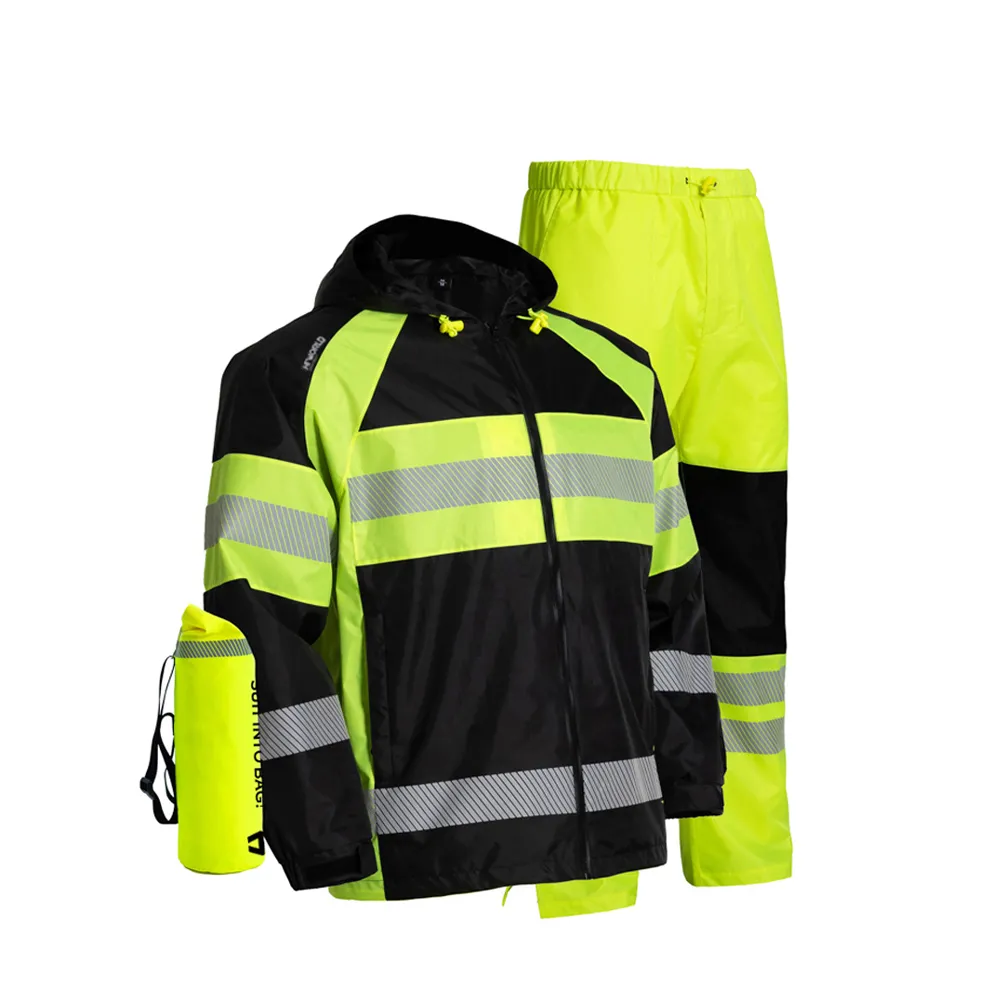
In high-risk industrial environments such as offshore oil platforms, utility maintenance, municipal infrastructure construction, and field surveying, weather exposure poses a direct threat to worker health, thermal balance, and operational throughp...
VIEW MORE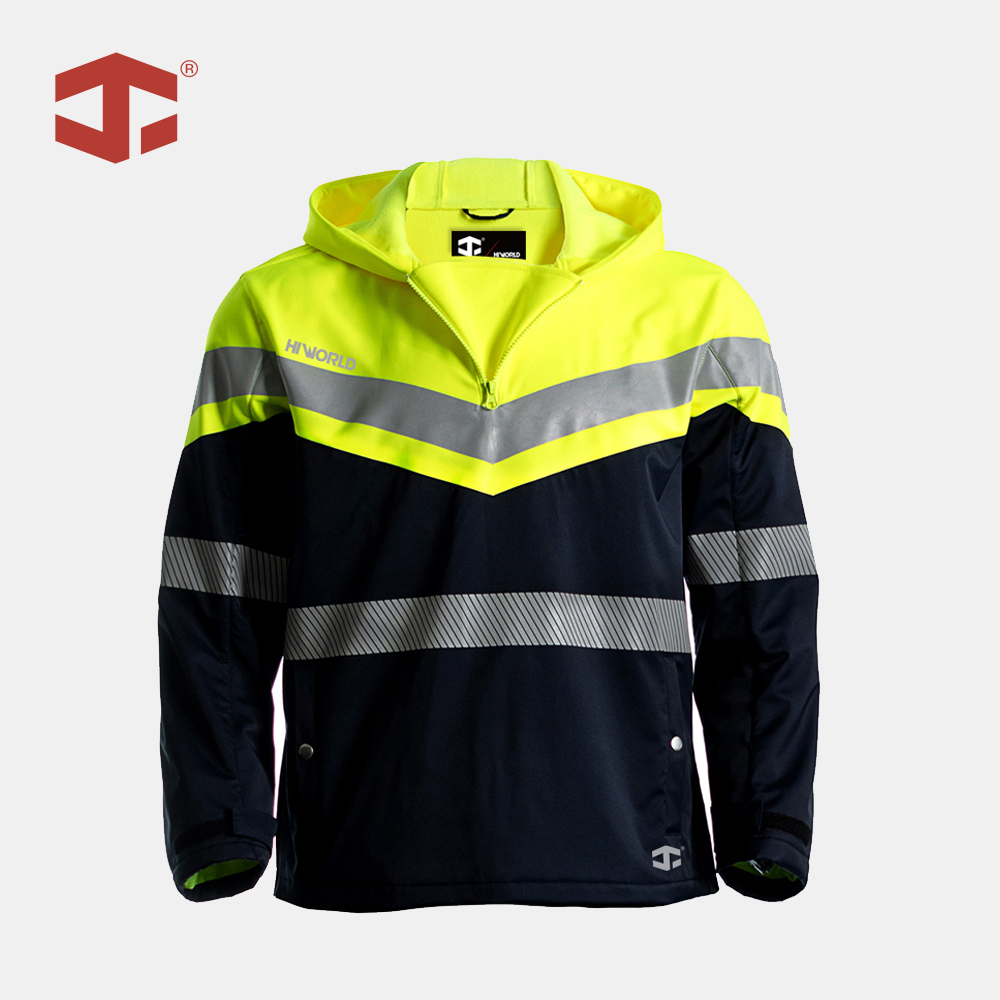
When procuring volume anti-static workwear for industrial cleanrooms, semiconductor fabrication plants, or electronics assembly lines, selecting the right anti-static workwear manufacturer is crucial. High-volume procurement requires a partner capa...
VIEW MORE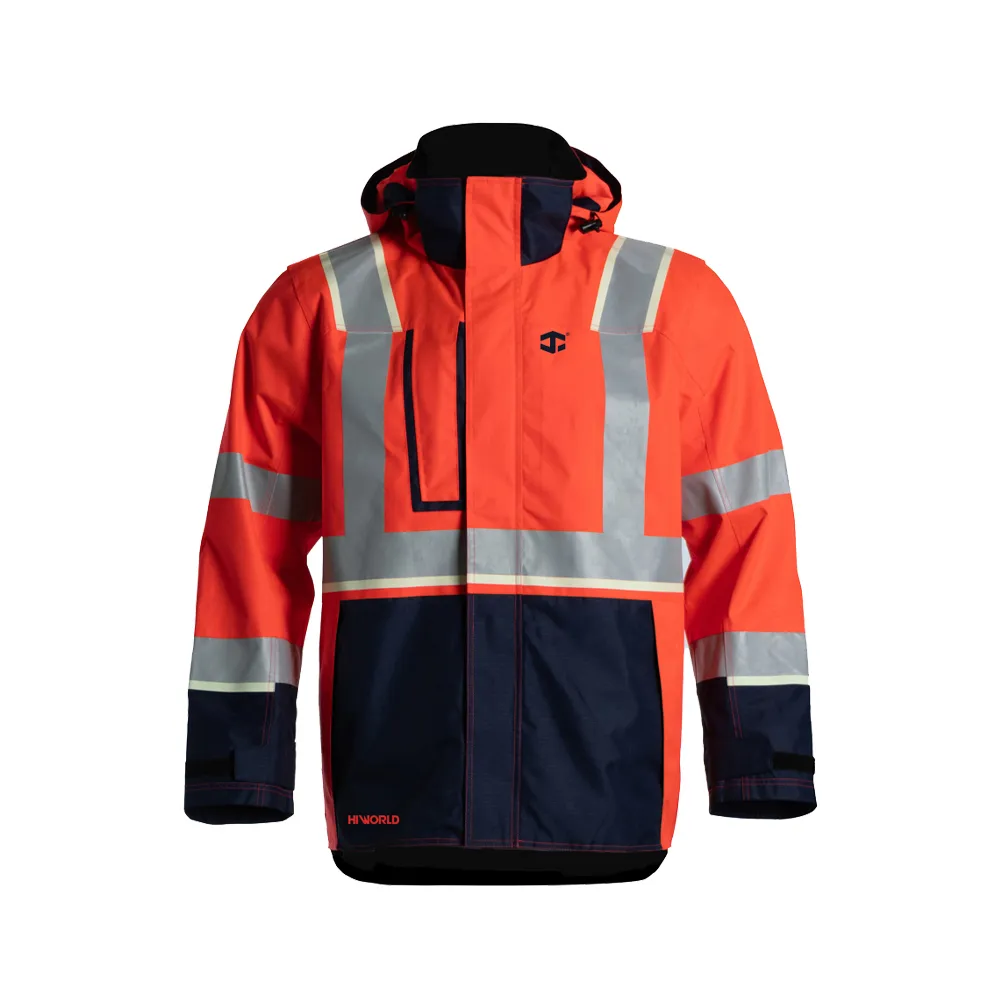
Selecting anti-static clothing for explosive atmospheres requires strict alignment between environmental zone risks and protective textile engineering. In ATEX-regulated workplaces such as oil refineries, grain silos, chemical processing plants, an...
VIEW MORE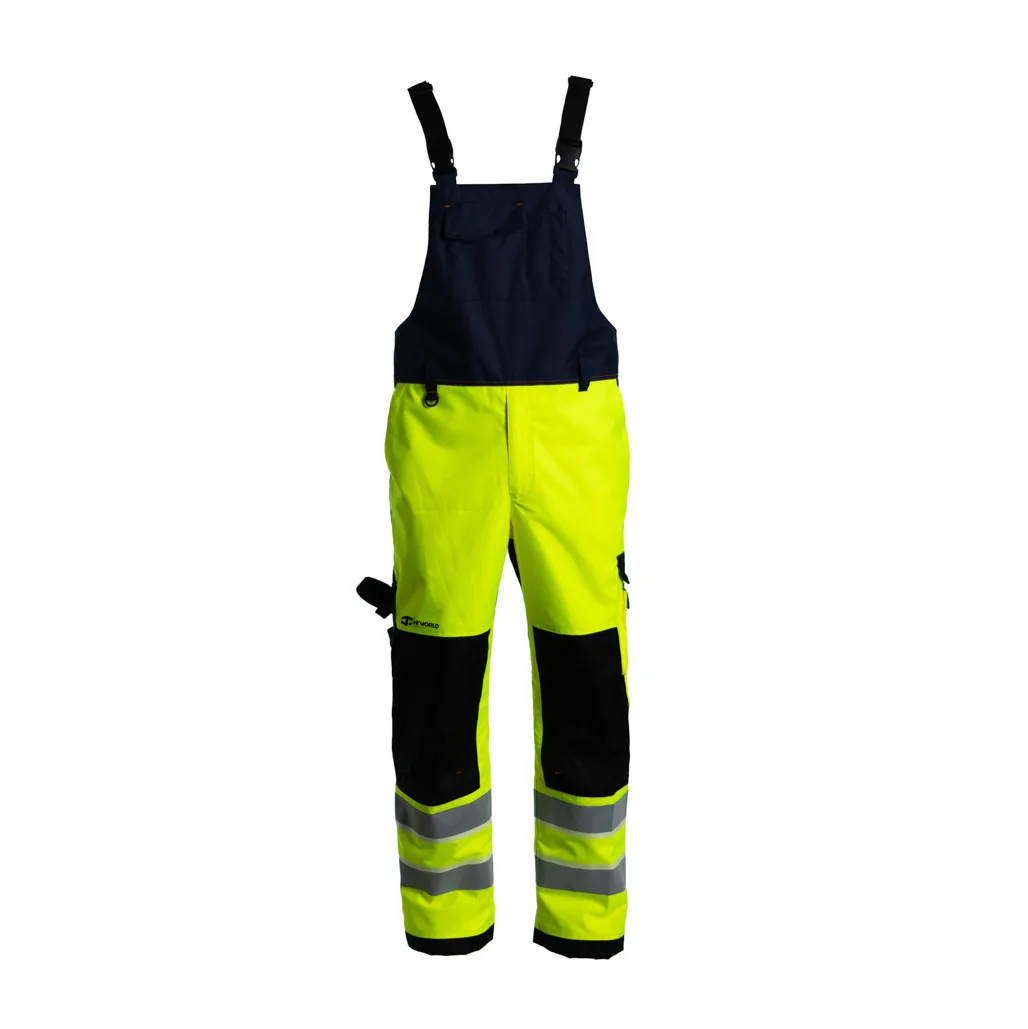
Understanding EN 1149 anti-static workwear standards is vital for procurement officers in explosive, chemical, and precision electronic manufacturing environments. In high-risk operational zones classified under ATEX regulations, an unnoticed elect...
VIEW MORE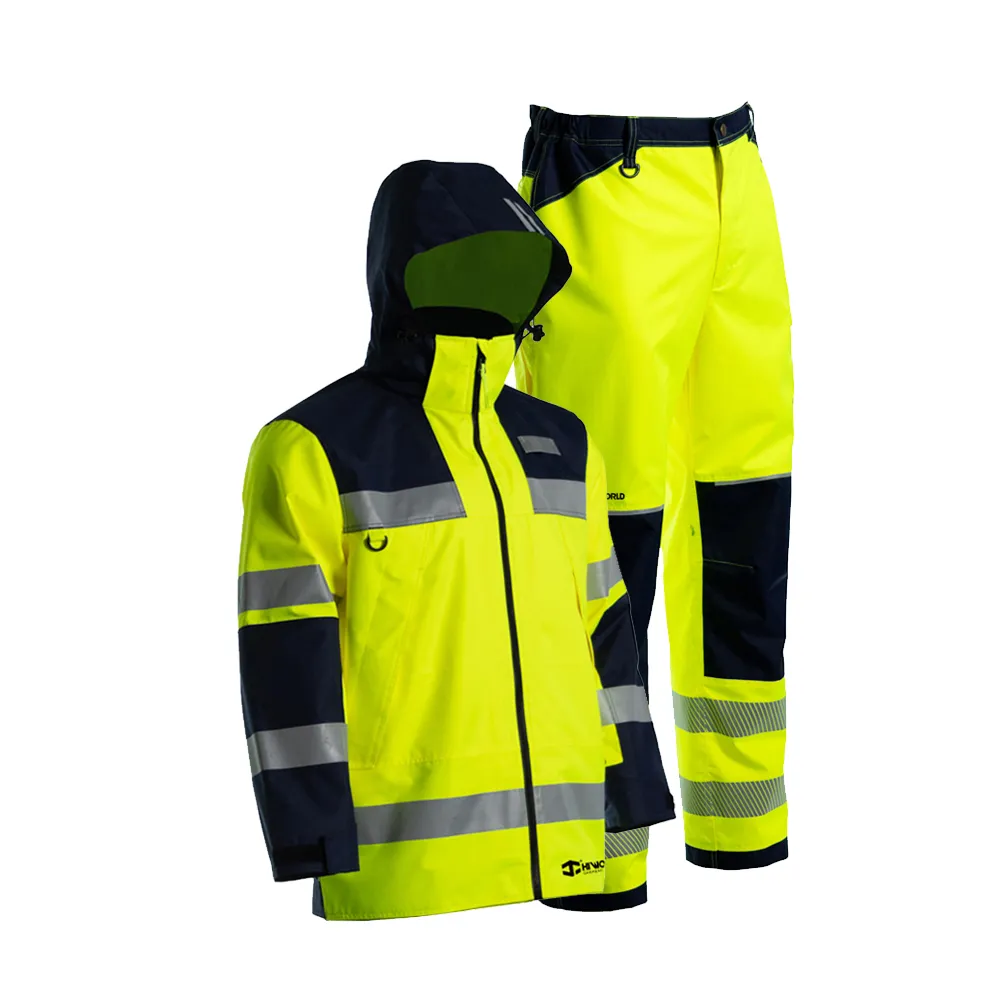
In high-risk industrial environments, site hazards rarely hit workers one at a time. A sudden equipment rupture can trigger a high-heat thermal flash, spit sharp mechanical debris, and spray hazardous chemical liquids all within a single second. St...
VIEW MORE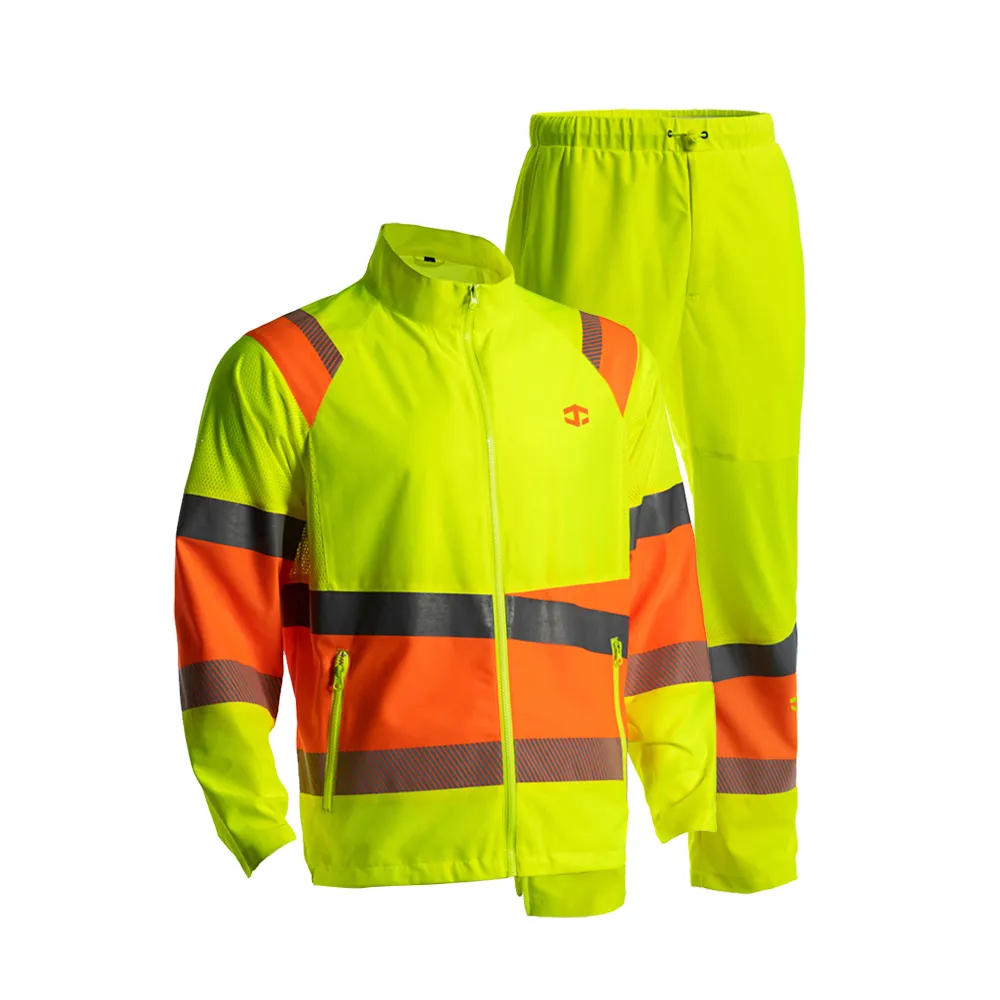
Modern industrial workwear needs to feel like a second skin, not a heavy canvas cage. When a technician is reaching overhead to install heavy machinery, squatting to inspect low pipelines, or twisting to tighten bolts in a cramped bay, traditional ...
VIEW MORE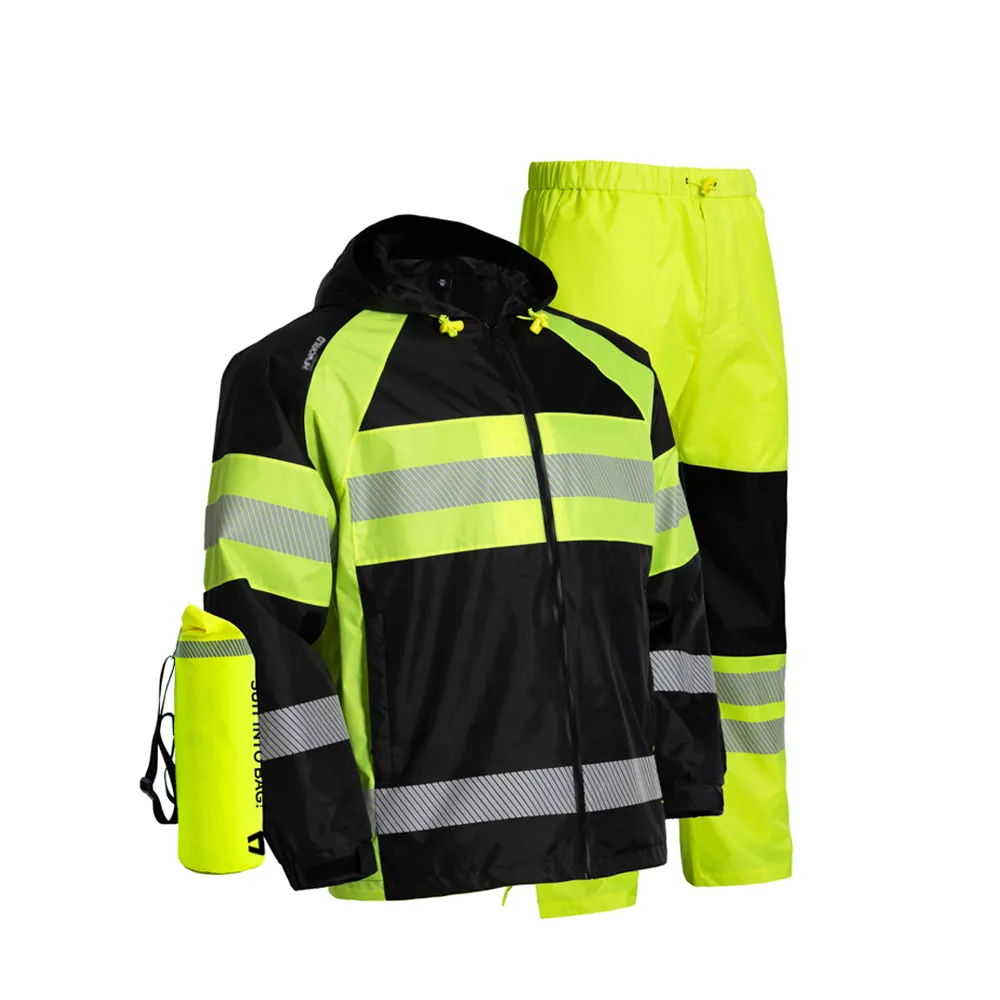
Static electricity might feel like a minor annoyance in daily life, but inside precision cleanrooms and explosive chemical processing zones, it presents a constant hazard. Uncontrolled electrostatic discharge destroys sensitive microprocessors and ...
VIEW MORE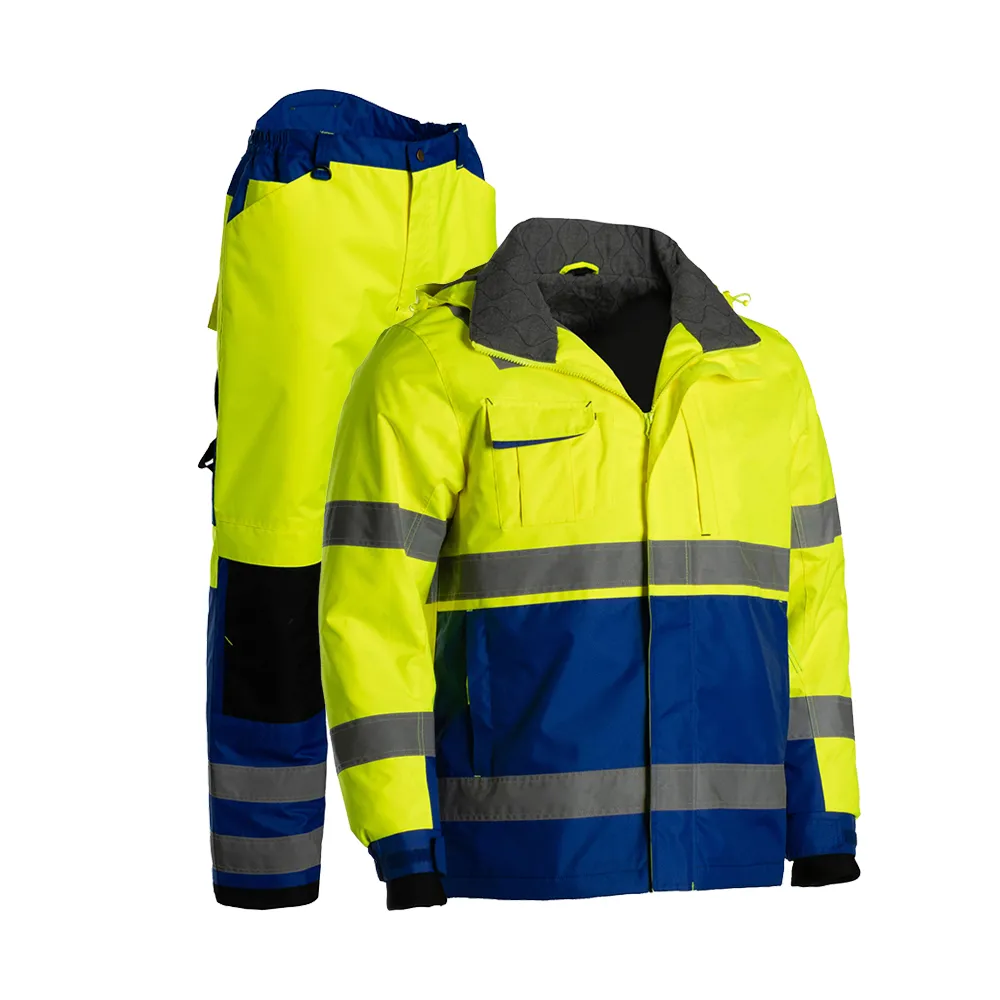
Procurement teams sourcing certified flame-resistant (FR) apparel face a crowded global market filled with ambiguous marketing jargon, partial test certificates, and complex regional safety directives. Sourcing protective workwear requires looking ...
VIEW MORE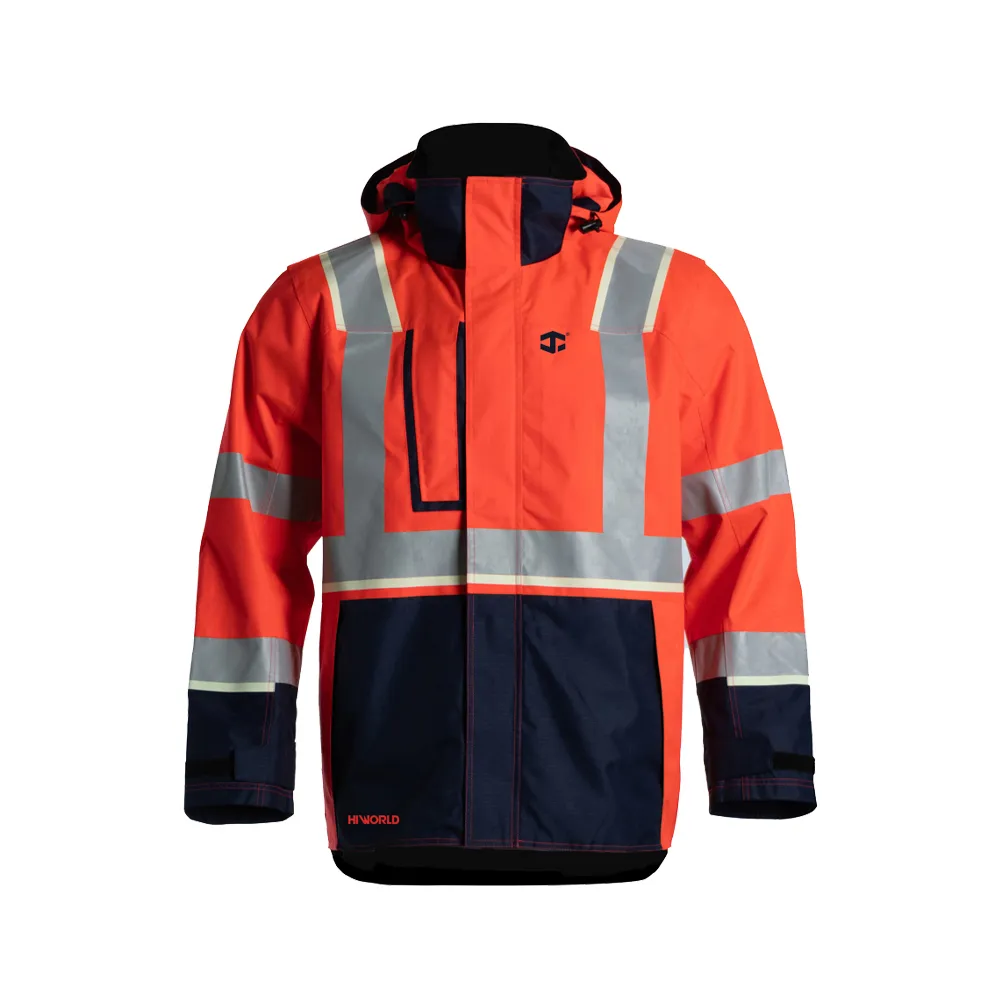
Working along busy roadway corridors, petrochemical loading terminals, or electrical utility substations puts industrial crews face-to-face with overlapping workplace hazards. Field operators frequently need to stay clearly visible to moving heavy ...
VIEW MORE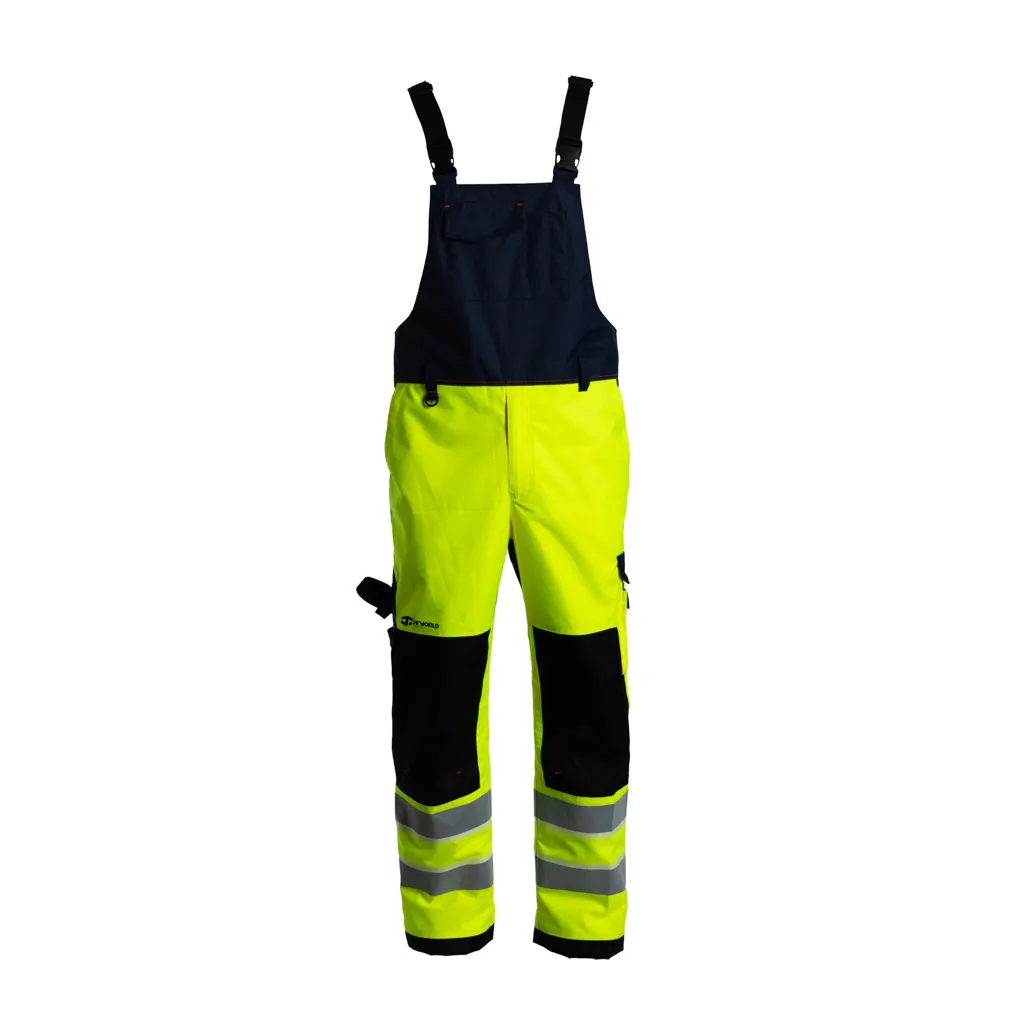
Working around high-voltage switchgear or pressurized hydrocarbon lines means operating in environments where heat hazards can develop in fractions of a second. Maintenance crews, utility operators, and refinery technicians face sudden thermal even...
VIEW MORE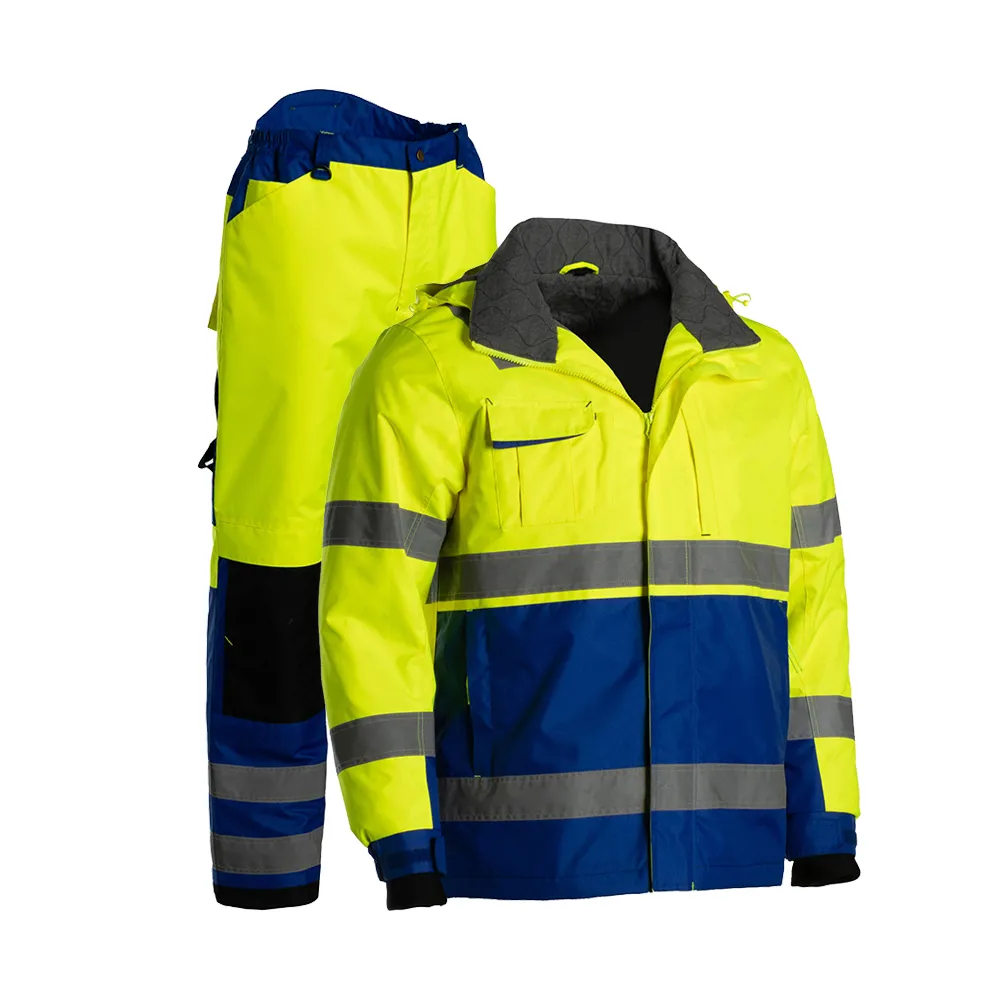
Operating within upstream oil rigs, midstream pipelines, and downstream petrochemical refineries requires navigating some of the most unforgiving working conditions in modern industry. Field operators, maintenance engineers, and safety technicians ...
VIEW MORE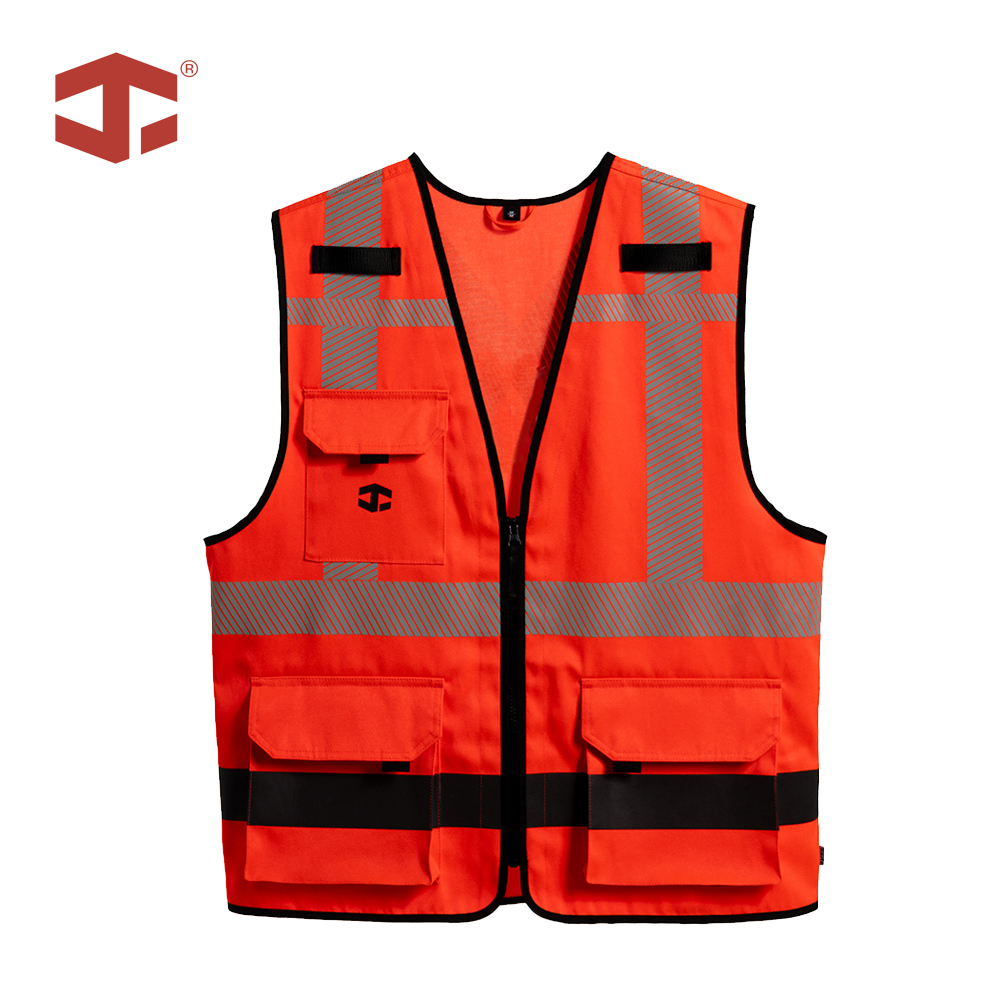
Catadioptric Reflection: Refraction, Total Internal Reflection, and Refractive Index Matching Catadioptric reflection is the foundational optical mechanism behind retroreflection. It combines refraction and total internal reflection to steer light ...
VIEW MORE
 EN
EN