
 EN
EN
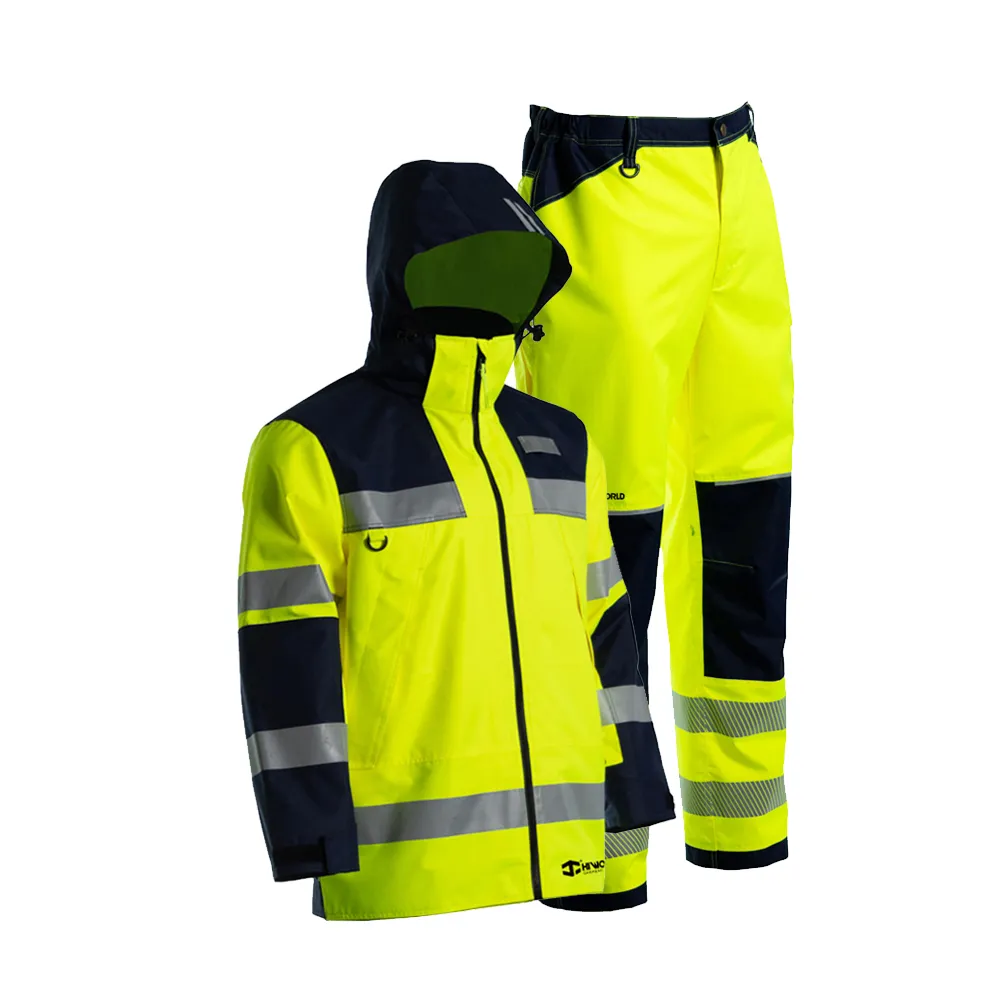
In high-risk industrial environments, site hazards rarely hit workers one at a time. A sudden equipment rupture can trigger a high-heat thermal flash, spit sharp mechanical debris, and spray hazardous chemical liquids all within a single second. Standard single-layer protective garments usually fail under these multi-threat conditions because one material layer simply cannot stop every type of energy at once. Modern protective apparel relies on layered multihazard protection to neutralize complex hazards before they reach the wearer. By stacking specialized fabric layers that work together, dynamic workwear transforms dangerous thermal, kinetic, and chemical forces into manageable energy shifts that keep teams safe.
Energy Dissipation Across Material Interfaces
The key advantage of layered multihazard protection comes down to how energy travels across material boundaries. When heat, kinetic impacts, or shockwaves cross from one textile layer to another, the boundary interface acts like a built-in shock absorber. Each transition point scatters, reflects, and absorbs incoming energy. A single thick piece of standard fabric can only reflect or trap force in a narrow way, but a smart multi-layer fabric assembly breaks down high impact energy step by step.
For instance, a tough ceramic-fiber outer layer shatters fast-moving sharp fragments, while a flexible mid-layer deforms to spread that mechanical impact force across a wider surface area. This multi-boundary setup lowers the total force reaching the wearer far better than monolithic materials ever could. Microscopic air gaps between the inner layers create natural barriers that break up stress waves and reduce peak load. By taking advantage of how energy shifts at each fabric interface, advanced protective garments give workers a far stronger defense against heavy blunt force and sudden physical impacts.
Sequential Threat Mitigation for High Risk Workplaces
Real-world workplace accidents usually strike in a fast-moving sequence rather than a single predictable wave. A well-designed layered system addresses each hazard in the exact order it arrives on the job site. The outer shell takes the initial impact, usually handling sudden thermal radiation, open flame contact, or liquid chemical sprays. Specialized external treatments reflect high radiant heat and resist instant ignition, buying precious extra seconds for the wearer to escape.
Right after that initial flash, intermediate fabric layers step in to catch flying debris and absorb physical shocks through material flexing. At the same time, an inner moisture-wicking lining prevents steam burns by pulling sweat away from the skin. This step-by-step design ensures that no single fabric layer carries the whole burden alone. Field testing confirms that engineered gradient protection gives crews vital extra escape time during sudden fire and fragment events. Timing each layer response converts what could be a fatal combination of simultaneous risks into a series of isolated, manageable challenges.
Designing Gear for Real World Co Exposure Conditions
Developing effective protective workwear requires understanding how different hazards interact under real working conditions. In emergency response and chemical plant operations, whether hazards hit at the exact same instant or follow one after another completely changes the stress on the uniform fabric. When a flash fire and a chemical splash happen at the same time, every fabric layer must perform at full capacity simultaneously. The outer shell must resist ignition while inner chemical barrier films stop hazardous liquids from soaking through.
When threats occur in sequence, such as a sharp physical impact followed by an intense electrical arc flash, the outfit must stay structurally intact even after taking initial surface damage. Garments built specifically for multi-hazard co-exposure drastically lower injury severity compared to basic single-hazard safety clothing. Engineering each layer to handle combined hazards ensures that workplace apparel maintains full protective coverage even after taking a hard hit on the job.
Material Synergy in Advanced Protective Fabrics
True material synergy happens when combining different functional layers creates a total protective effect far stronger than adding up individual material properties. Pairing phase-change material liners with ceramic-fiber outer shells shows exactly how this synergy works in high-performance protective apparel. Phase-change liners soak up massive thermal energy as they shift states, pulling heat away from the skin. Meanwhile, the outer ceramic-fiber shell stays stable above extreme temperatures while stopping flying fragments.
Without thermal-buffering inner liners, extreme heat can degrade the protective fibers inside a suit before a physical impact even lands. Integrated heat-absorbing liners buffer that thermal wave, keeping outer structural fibers cooler so they retain full strength against flying debris. Using material synergy to solve complex hazard combinations turns chaotic job site accidents into controlled safety outcomes. Strategic fabric selection ensures that heat resistance and impact durability support each other seamlessly under real-world pressure.
Balancing Protection and Mobility in Workwear Design
Creating high-grade protective clothing always involves balancing two competing needs: maximizing worker defense while keeping uniforms lightweight and comfortable to move in. Heavy, bulky suits add unnecessary weight, which causes early muscle fatigue and slows down worker reaction times on the floor. Every extra kilogram of heavy uniform mass reduces arm dexterity and increases physical strain over a long shift.
Modern technical workwear solves this weight problem through smart biomechanical pattern construction and lightweight material blends. Features like articulated elbows, flexible underarm gussets, and high-stretch back panels allow natural torso movement without pulling open protective coverage. Shifting heavy insulation duties to thin, efficient mid-layers leaves the outer shell soft, flexible, and easy to bend in. This higher protection-to-weight ratio allows industrial crews and emergency teams to work longer shifts comfortably, keeping fatigue-related mistakes to a minimum while staying fully compliant with strict safety standards.
Flexible Garment Solutions from an Experienced Manufacturing Partner
Bringing advanced multi-hazard protection into real-world uniforms requires a manufacturing partner who excels in both material science and specialized apparel production. As a trusted OEM and ODM manufacturer, hiworld builds high-performance workwear that combines multi-layer protection with everyday wearer comfort. By pairing flexible fabric engineering with rigorous quality control and flexible global supply chain services, hiworld helps international brands deliver custom industrial apparel that meets strict international safety standards without sacrificing mobility.
Frequently Asked Questions
Why are layered multi hazard systems better than single layer protective clothing
Layered systems mitigate complex job site risks far better because each material interface actively absorbs and scatters incoming kinetic force and thermal energy, whereas single-layer fabrics only offer limited protection.
What workplace hazards do multi hazard protective garments cover
Multi hazard garments protect against sudden thermal flashes, flash fires, liquid chemical splashes, flying debris impacts, electrical arc flashes, and fast-moving sequential hazards.
How does material synergy improve protective apparel performance
Material synergy combines complementary fabric properties, such as pairing heat-absorbing liners with cut-resistant outer shells, ensuring one material preserves its strength while another handles sudden heat spikes.
Can layered protective workwear stay lightweight and easy to move in
Yes, using strategic pattern cuts, flexible arm gussets, and lightweight high-performance fiber blends allows garments to offer maximum protection without adding excessive weight or restricting worker motion.
Why is interface dissipation important in protective fabric design
Interface dissipation relies on material boundary transitions to break up shockwaves and heat transfers, significantly reducing the total energy transmitted directly to the worker body.
Table of Contents
- Energy Dissipation Across Material Interfaces
- Sequential Threat Mitigation for High Risk Workplaces
- Designing Gear for Real World Co Exposure Conditions
- Material Synergy in Advanced Protective Fabrics
- Balancing Protection and Mobility in Workwear Design
- Flexible Garment Solutions from an Experienced Manufacturing Partner
-
Frequently Asked Questions
- Why are layered multi hazard systems better than single layer protective clothing
- What workplace hazards do multi hazard protective garments cover
- How does material synergy improve protective apparel performance
- Can layered protective workwear stay lightweight and easy to move in
- Why is interface dissipation important in protective fabric design