
 EN
EN
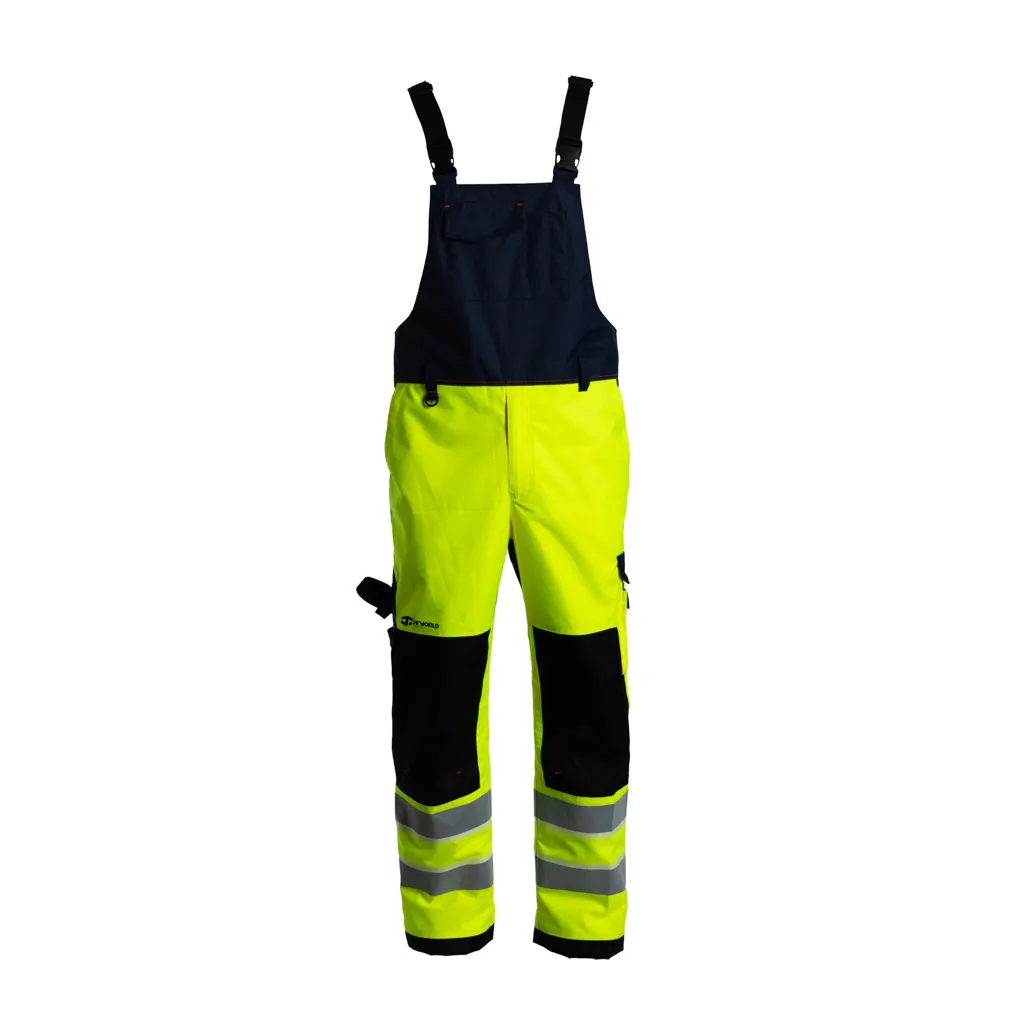
Working around high-voltage switchgear or pressurized hydrocarbon lines means operating in environments where heat hazards can develop in fractions of a second. Maintenance crews, utility operators, and refinery technicians face sudden thermal events that release unimaginable amounts of energy. Under these high-risk conditions, specialized protective apparel serves as the absolute last barrier separating a worker from life-threatening thermal trauma.
Selecting effective protective gear requires looking beyond simple uniform requirements. Safety managers and purchasing teams need a clear understanding of thermal physics, fiber science, and international compliance standards to build a safety program that keeps field teams fully protected without causing physical exhaustion.
Unpacking the Physics of Arc Flash and Flash Fire Events
Though arc flashes and flash fires are often grouped together as thermal hazards, they stem from completely different physical phenomena and release energy in distinct ways. An arc flash occurs during an electrical fault when electric current travels through ionized air between conductors or to a ground source. This creates a massive electrical plasma discharge that reaches temperatures exceeding 35,000 degrees Fahrenheit. The rapid expansion of air produces intense radiant energy, blinding light flashes, molten metal droplets, and explosive pressure waves.
Conversely, a flash fire is a rapidly spreading flame front triggered by the ignition of diffuse flammable vapors, gases, or combustible dust suspended in the air. Hydrocarbon flash fires routinely reach temperatures between 1,000 degrees Fahrenheit and 1,900 degrees Fahrenheit over exposures lasting anywhere from one to three seconds. While an arc flash delivers concentrated, high-intensity energy in milliseconds, a flash fire envelops workers in a moving wall of flame. Ordinary non-protective fabrics act as extra fuel in either scenario, melting onto skin or continuing to burn long after the initial blast subsides.
How Protective Fabrics Form Thermal Insulation Barriers
The secondary damage caused by non-protective clothing igniting or melting against the body routinely inflicts far more severe injuries than the primary thermal event itself. Synthetic fabrics like nylon or polyester quickly melt into hot liquid polymer, causing deep-tissue burn injuries that bond to skin. Engineered protective apparel eliminates this destructive failure mode through specialized thermal chemistry.
When exposed to severe heat, specialized protective fibers undergo a physical transformation known as charring. The outer fabric layer carbonizes into a dense, insulating char layer that blocks oxygen, smothers active flames, and significantly slows down conductive heat transfer to the wearer's skin. Advanced inherent fibers—such as meta-aramids, para-aramids, and modacrylic blends—retain their structural form during thermal stress rather than breaking open. The air trapped within the fabric weave expands to create a thermal buffer, giving workers critical seconds to retreat safely from danger zones.
Navigating Testing Protocols and Global Safety Metrics
Matching protective apparel with real-world workplace risks requires navigating established testing protocols and international certification standards. Purchasing teams must verify that supplied garments hold independent third-party certifications rather than relying on unverified claims.
Key international compliance metrics include:
-
NFPA 70E and ASTM F1959 Standards: Governs workplace electrical safety and evaluates fabric performance against arc flash hazards. Testing calculates the Arc Thermal Performance Value or Breakopen Threshold Energy, expressed in calories per square centimeter, to establish the exact threshold where there is a 50 percent probability of second-degree burn onset.
-
NFPA 2112 and ASTM F1930 Requirements: Sets the benchmark for industrial garments protecting against short-duration flash fire exposures. Apparel undergoes a grueling 3-second thermal mannequin blast test, requiring predicted total body burn coverage to remain under 50 percent for certification.
-
EN ISO 11612 Compliance: Evaluates protective clothing against convective heat, radiant heat, and molten metal splash hazards for international and European operations.
-
EN 1149-5 Anti-Static Certification: Mandates electrostatic dissipative properties to prevent static spark risks in hazardous atmospheric zones.
Prioritizing Ergonomics and Breathability for Real-World Compliance
Thermal protective apparel delivers real protection only when field teams wear it correctly throughout demanding shifts. In high-humidity environments or desert operations, heavy or non-breathable protective gear induces heat stress. Physical exhaustion leads to dangerous work habits, such as rolling up sleeves or unbuttoning collars, which leaves skin exposed to catastrophic burn hazards.
Modern protective garment design balances physical defense with human ergonomics. Utilizing lightweight woven fabrics ranging between 5.5 ounces and 7.5 ounces per square yard allows body heat to vent naturally. Integrating moisture-wicking channels keeps workers dry without compromising the carbonization process that seals out heat during a thermal event. Ergonomic sleeve patterning, reinforced stress points, and non-conductive aramid sewing threads further ensure garments withstand daily abrasion around heavy machinery and pipe racks.
Evaluating Total Cost of Ownership in Safety Procurement
Smart procurement specialists evaluate safety apparel using a Total Cost of Ownership framework rather than focusing solely on initial purchase price. A low-cost garment that frays, shrinks, or fades after 30 industrial laundry cycles quickly becomes far more expensive than a premium garment engineered to endure over 100 industrial washes.
Evaluating long-term commercial value involves examining several operational factors:
-
Dimensional Shrinkage Control: Keeping fabric shrinkage below 3 percent prevents garments from restricting physical movement after repeated washing.
-
Color Fastness Retention: Maintaining high visibility and sharp brand presentation across multi-year field deployments.
-
Seam and Trim Durability: Utilizing heavy-duty non-conductive zippers, flame-retardant trim, and reinforced pocketing.
-
Garment Standardization: Streamlining sizing profiles to simplify bulk inventory logistics across global workforces.
Strengthening Operational Safety with Capable Manufacturing Partners
Building a zero-harm workplace requires combining thorough thermal hazard assessments, continuous field safety training, and reliable manufacturing partners. Global energy, utility, and industrial operators rely on specialized manufacturers who can execute precision supply chain management while adhering to strict international compliance standards. Specialized organizations like HiWorld deliver integrated garment design, technical textile engineering, and global distribution solutions tailored to complex industrial operations. Leveraging advanced protective fabric technologies, lot-by-lot quality control, and flexible manufacturing capabilities ensures field personnel remain completely protected against arc flash and flash fire threats anywhere in the world.
Table of Contents
- Unpacking the Physics of Arc Flash and Flash Fire Events
- How Protective Fabrics Form Thermal Insulation Barriers
- Navigating Testing Protocols and Global Safety Metrics
- Prioritizing Ergonomics and Breathability for Real-World Compliance
- Evaluating Total Cost of Ownership in Safety Procurement
- Strengthening Operational Safety with Capable Manufacturing Partners