
 EN
EN

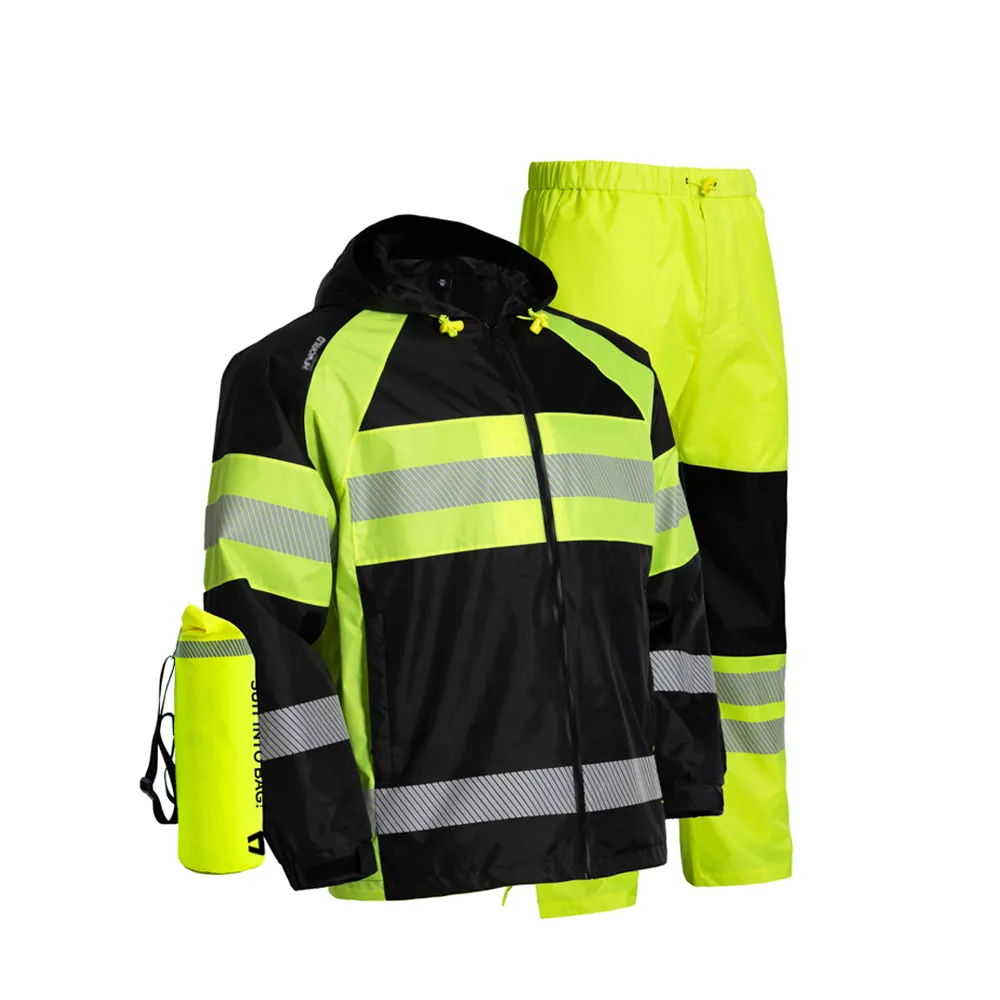
Static electricity might feel like a minor annoyance in daily life, but inside precision cleanrooms and explosive chemical processing zones, it presents a constant hazard. Uncontrolled electrostatic discharge destroys sensitive microprocessors and triggers catastrophic industrial fires. Choosing the right protective workwear isn't just about slipping on a uniform—it requires matching exact fabric performance standards to specific technical environments. Misunderstanding the difference between electronics safety and explosion prevention exposes workers to severe injury and businesses to massive operational losses.
Static Discharge Dynamics in Modern Microelectronics Processing
Modern semiconductor manufacturing deals with architectural scales measured in nanometers. As integrated circuits get smaller, their operating voltages drop significantly below 1.5 volts. At these lower thresholds, microscopic components become highly vulnerable to microscopic electrical surges.
A human technician moving around an assembly bench accumulates electrostatic charge through regular motion—simply walking across a standard cleanroom floor can generate thousands of volts. While humans cannot feel electrostatic events below roughly 2,000 volts, a sub-volt discharge as low as 20 volts is enough to melt internal microchip pathways or alter silicon layers.
The insidious nature of microelectronic electrostatic damage comes from latent defects. When a low-voltage discharge strikes a printed circuit board assembly, the device might not fail immediately during factory quality control. Instead, the microscopic burn creates a localized weak spot inside the silicon structure. Once shipped to the market, the component experiences premature thermal fatigue, field degradation, and unexpected product failure. Global electronics manufacturing operations lose billions annually directly due to scrap rate increases, field warranty returns, and rework labor caused by inadequate static control measures on personnel.
Flammable Vapor Hazards and Electrostatic Ignition Parameters
Moving from an electronics cleanroom into a chemical processing plant shifts the risk profile dramatically. In chemical storage zones, refineries, and solvent handling facilities, static charges are no longer just an economic scrap issue—they are a spark hazard capable of causing catastrophic explosions.
Flammable gases, organic solvent vapors, and fine combustible dusts require extremely low thermal energy inputs to ignite. This critical threshold is known as Minimum Ignition Energy. Consider the following common volatile industry substances:
-
Hydrogen Gas: Requires only 0.017 millijoules of spark energy to ignite.
-
Ethanol and Organic Solvents: Ignite around 0.2 millijoules.
-
Fine Chemical Dust Clouds: Can trigger explosive chain reactions at sub-millijoule levels.
An ungrounded chemical worker walking through a processing bay accumulates an electrostatic charge capable of storing over 20 millijoules of potential energy on the human body. Synthetic street clothing generates friction against body movement, charging up synthetic fibers like polyester or nylon. When the worker reaches out to open a valve, adjust a pipe, or touch an ungrounded metal container, the stored energy discharges through a visible electric spark. Because 20 millijoules vastly exceeds the 0.2 millijoule ignition threshold of common volatile vapors, a single step or garment adjustment can trigger a devastating plant explosion.
Technical Standards for Electronics Workspaces and ESD Protection
Protecting sensitive microelectronics requires specialized garments designed around electrostatic dissipation standards. The global benchmarks for these controlled environments are defined by standards such as EN 61340-5-1 and EN 16350.
Garments designed for pure ESD control prioritize protecting the delicate product from static charges generated by the human operator. To pass standard laboratory compliance tests, these electrostatic dissipative coats and smocks must maintain a surface resistance reading strictly below $3.5 \times 10^7$ ohms.
Rather than simply blocking static charges, certified ESD garments utilize conductive grid fibers—typically carbon-core or metallic monofilaments woven into synthetic or cotton blends at regular matrix intervals. These conductive grids transform the protective garment into a wearable Faraday cage system. This structure mitigates external electric fields generated by synthetic undergarments and provides a continuous pathway to safely bleed off residual voltage through grounded footwear or wrist straps into the facility floor ground.
Dissipative Requirements for High-Risk Explosive Environments
In chemical refineries, oil rigs, and pharmaceutical manufacturing facilities governed by European ATEX directives, static safety standards follow entirely different physical criteria. Here, protective clothing must comply with standards like EN 1149-5, which specifies performance criteria for charge dissipation to eliminate spark risks entirely.
Unlike ESD standards that focus on low surface resistivity to protect circuits, explosive environment safety demands rapid charge decay rates. EN 1149-5 testing protocols measure how fast an isolated electrostatic charge drops across the garment surface. Compliant protective apparel must demonstrate one of two rigorous criteria:
-
Charge Decay Time: Discharging an initial voltage from 1,000 volts down to 100 volts in under 4 seconds.
-
Half-Decay Half-Life: Achieving a charge half-decay time of less than 0.01 seconds.
Crucially, EN 1149-5 treats antistatic workwear as one component of an integrated system. A compliant garment cannot function safely in an ATEX zone without verified continuity to earth ground. The garment, antistatic safety footwear, wrist straps, and conductive floor mats must maintain end-to-end electrical resistance below $10^8$ ohms. If a technician wears certified antistatic clothing with non-conductive, insulative rubber boots, the entire electrostatic dissipation loop breaks, leaving static energy trapped on the body.
Critical Differences Between ESD-Safe and Antistatic Standards
A dangerous misconception in industrial plant procurement is assuming that ESD-safe laboratory clothing can be safely used in explosive chemical zones. This assumption creates severe safety hazards.
ESD garments are engineered to release static energy slowly and steadily to ground to prevent rapid energy surges from striking microchips. While this slow dissipation rate protects silicon wafers, it can leave residual voltages lingering on the fabric surface long enough to generate a spark in a flammable vapor environment.
Conversely, ATEX antistatic workwear requires immediate, rapid neutralization of static charge to eliminate spark risks. Furthermore, chemical plant antistatic workwear is frequently combined with inherently flame-resistant properties to protect against flash fires—a feature rarely present in light ESD cleanroom smocks. Placing ESD-rated clothing into an explosive chemical plant leaves workers vulnerable to severe electrostatic risks.
Industrial Implementation Gaps and Operational Risks
Recent industrial safety surveys reveal that a majority of chemical manufacturing sites operate with unvalidated or incomplete EN 1149-5 garment systems. The most common vulnerability stems from treats purchasing certified antistatic apparel as a standalone safety solution.
When plant operators issue antistatic coveralls or jackets without verifying the complete grounding chain, systemic safety failures occur. Common site-level compliance gaps include:
-
Insulative Undergarments: Synthetic base layers blocking electrical conduction between the skin and the antistatic garment fibers.
-
Incorrect Footwear Usage: Wearing standard safety boots with non-conductive rubber soles that break the path to ground.
-
Fabric Degradation: Over-washing antistatic garments with harsh industrial bleach, which fractures integrated conductive carbon threads over time.
-
Uncertified Modifications: Applying heat-transfer corporate logos or synthetic high-visibility tape that creates non-conductive static patches on the garment chest or back.
The consequences of these systemic gaps manifest as unexplained flash fires, unexpected plant shutdowns, regulatory penalties, and costly downtime. Investing in comprehensive system verification is far less expensive than dealing with the aftermath of an industrial fire.
Technical Sourcing and Supply Chain Considerations
Establishing reliable electrostatic protection across electronics facilities and hazardous chemical processing plants requires partnering with experienced technical protective apparel manufacturers.
Professional protective apparel production relies on rigorous material sourcing, precision garment engineering, and certified quality control protocols. Experienced safety apparel manufacturers like HI-WORLD address these multi-hazard demands by integrating advanced dissipative fiber technology directly into high-durability fabrics. Utilizing specialized CAD-based pattern engineering and modern garment production infrastructure across extensive manufacturing facilities, HI-WORLD manufactures certified EN 1149-5 antistatic workwear, flame-resistant apparel, and ESD-compliant technical garments tailored for demanding industrial sectors worldwide.
With an annual capacity exceeding 500,000 technical garments, specialized production lines, and comprehensive OEM/ODM customization capabilities, HI-WORLD provides global B2B clients with fully compliant protective clothing systems engineered to maintain strict dissipative standards throughout long service life cycles.
Frequently Asked Questions
What is the primary functional distinction between ESD-safe garments and antistatic workwear?
ESD-safe garments protect sensitive electronic microchips by controlling the slow bleed of static electricity to ground. Antistatic workwear rapidly dissipates static charges to prevent electric sparks from igniting flammable gases, vapors, or combustible dust in explosive atmospheres.
Why is complete ensemble grounding essential under EN 1149-5 standards?
EN 1149-5 standards evaluate charge dissipation across the entire wearer system. If antistatic clothing is worn without conductive footwear or on insulative flooring, static electricity remains trapped on the operator's body, neutralizing the garment's protective capabilities.
Can washing industrial protective clothing diminish its antistatic performance?
Yes. Washing protective apparel with aggressive industrial detergents, softeners, or bleach can damage integrated conductive carbon threads and breakdown fabric surface finishes. Antistatic clothing should be laundered according to manufacturer guidelines and periodically tested for electrical resistance.
Table of Contents
- Static Discharge Dynamics in Modern Microelectronics Processing
- Flammable Vapor Hazards and Electrostatic Ignition Parameters
- Technical Standards for Electronics Workspaces and ESD Protection
- Dissipative Requirements for High-Risk Explosive Environments
- Critical Differences Between ESD-Safe and Antistatic Standards
- Industrial Implementation Gaps and Operational Risks
- Technical Sourcing and Supply Chain Considerations
- Frequently Asked Questions