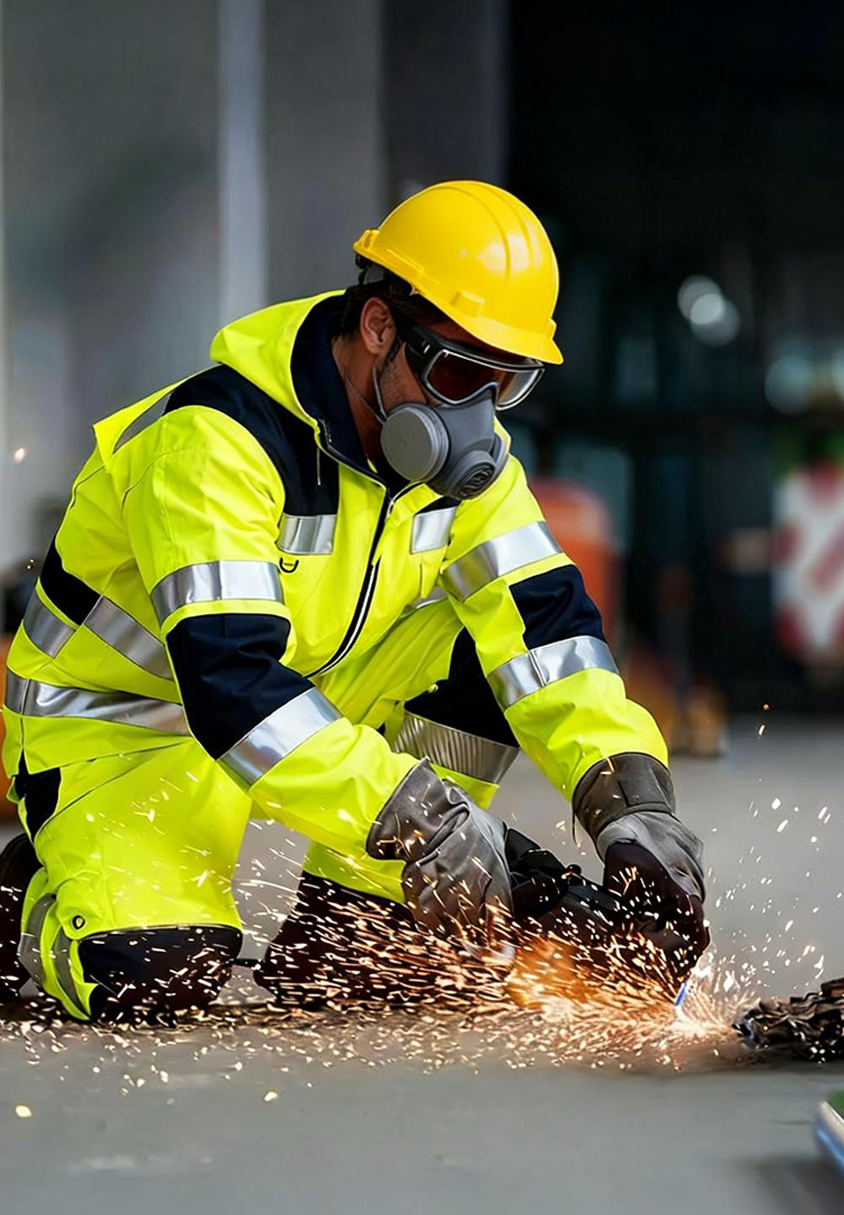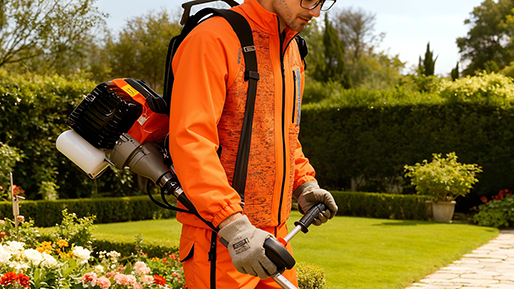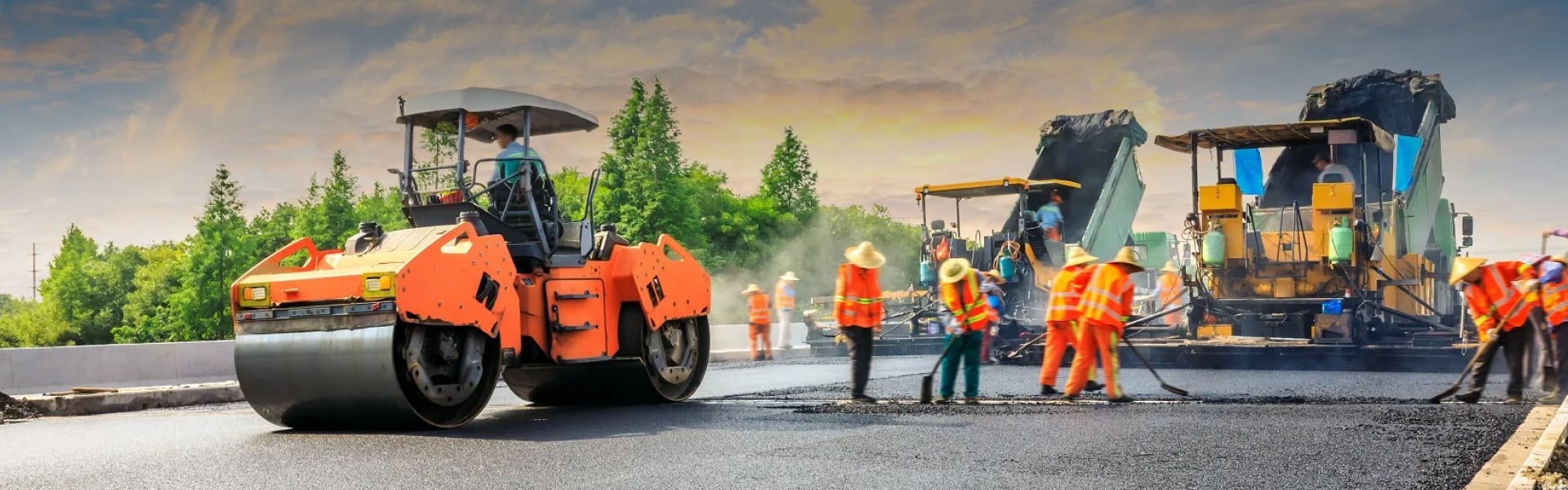


In high-risk environments like construction, logistics, and emergency services, High-Visibility Safety Apparel (HVSA) is more than just a uniform—it’s life-saving equipment. Understanding the nuances between European and American standards is crucial for global compliance and workplace safety.
1. The Transition: From EN 471 to EN ISO 20471
While many in the industry still refer to EN 471, it was officially superseded by EN ISO 20471 in 2013.
Enhanced Requirements: The current ISO standard imposes stricter durability tests, including colorfastness and retroreflective performance after multiple wash cycles.
Global Harmonization: ISO 20471 is designed to provide a higher, more consistent level of protection across the European market and beyond.
2. The US Benchmark: ANSI/ISEA 107-2020
In the United States, the gold standard is ANSI/ISEA 107-2020. Unlike its European counterpart, the ANSI standard utilizes a "Type and Class" system to help safety managers select the right gear:
Type O (Off-Road): For environments where workers are not exposed to public traffic.Type R (Roadway): For personnel exposed to traffic on public highways.Type P (Public Safety): Specifically designed for emergency responders and law enforcement.
3.Understanding the Classes: 1, 2, and 3
Both standards categorize garments based on the minimum amount of visible material:
Class 3 (High Risk): Offers the highest level of visibility. Mandatory for high-speed environments and complex backgrounds (e.g., highway construction at night).
Class 2 (Moderate Risk): The most common standard for roadway workers, couriers, and survey crews working near traffic.
Class 1 (Low Risk): Best suited for low-speed areas or indoor facilities where visibility is a secondary concern.
4. Technical Components: Fluorescent vs. Retroreflective
Effective Hi-Vis gear relies on two distinct scientific principles:
Fluorescence for Daytime: These pigments convert invisible UV light into visible light, making the wearer "glow" during the day, even in overcast conditions.
Retroreflection for Nighttime: Using glass beads or micro-prisms, reflective tapes bounce light directly back to the source (such as vehicle headlights), signaling the worker's presence in the dark.
Final Thoughts
Choosing the right Hi-Vis gear is a commitment to safety. Always check the internal labels for the CE mark (Europe) or the ANSI label to ensure your team is fully protected and compliant with local regulations.

 EN
EN