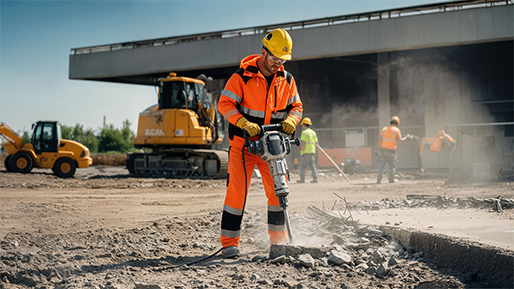


In high-risk environments like construction sites, roadways, or warehouses, your High-Visibility (Hi-Vis) apparel is your "Personal Armor." Even the most advanced gear—like our 300D Oxford Bomber Jackets—can fail to protect you if used or maintained incorrectly.
Here is how to ensure your gear actually saves your life:
1. Match the Class to the Risk
Not all Hi-Vis is created equal. The level of protection depends on the total area of fluorescent and reflective material.
Class 1: For low-speed areas, such as indoor warehouses or parking lots.
Class 2: For roadway work with moderate traffic and good daylight visibility.
Class 3: For high-speed highways, night work, or extreme weather where maximum visibility is mandatory. Rule of Thumb: Never "under-protect." Always verify the site requirements before starting your shift.
2. Wear It Right: No Obstructions
The goal of Hi-Vis is to define the "human silhouette" so drivers recognize you instantly.
Keep it Zipped: Always wear your jacket or vest fully closed. An open jacket creates a "gap" in the reflective pattern, making you look like a blurred light rather than a person.
No Overlays: Never wear a backpack or a non-reflective jacket over your Hi-Vis gear. If you cover the reflective strips, you essentially become invisible.
3. Check for "Reflective Fatigue"
Reflective tape has a lifespan. Even rugged 300D fabric can’t protect you if the glass beads on the tape are worn off.
Inspect Daily: Look for cracks, abrasions, or "blackening" on the silver strips. If the tape no longer bounces light back, it’s time for a replacement.
Clean is Safe: Dirt, grease, and mud absorb light. A dirty jacket is a dangerous jacket.
4. Wash with Care (Follow the "Cycle Limit")
Most Hi-Vis gear has a maximum number of wash cycles (e.g., 25 or 50 washes) printed on the label.
Avoid Harsh Chemicals: Never use bleach or fabric softeners, as they destroy the fluorescent pigments and reflective coatings.
Retire Early: Once you reach the wash limit, the garment may look fine, but its reflective intensity is likely below legal safety standards.
Your gear is designed to buy you those few critical seconds of reaction time from a driver. By choosing the right class, wearing it properly, and maintaining the fabric, you ensure that you remain visible and—most importantly—safe.

 EN
EN