
 EN
EN
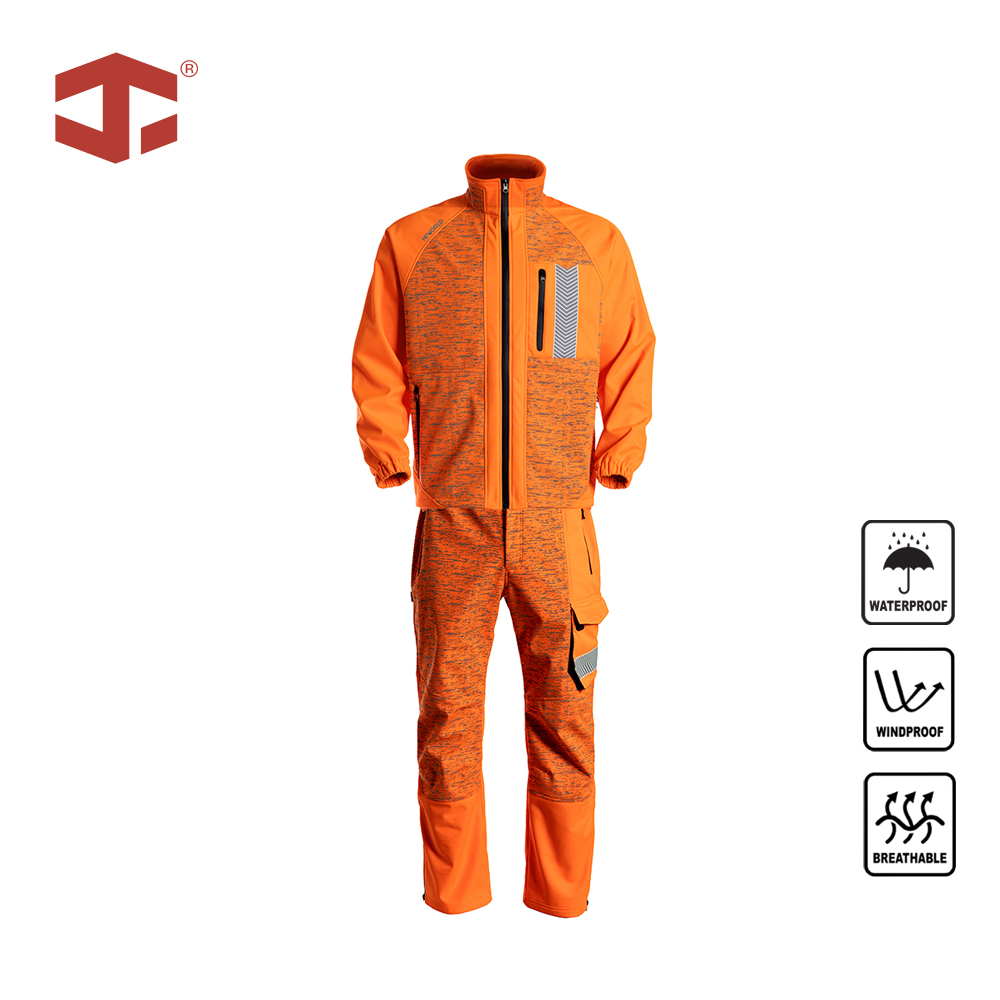
Industrial workplaces present extreme thermal challenges that demand absolute reliability from safety gear. When workers face potential flash fires, electrical arc events, or molten metal splashes, ordinary fabrics fail instantly. High-performance flame-retardant (FR) workwear serves as the ultimate barrier between sudden thermal energy and catastrophic injury. Understanding how these textiles perform under pressure helps safety managers choose reliable solutions that protect personnel and ensure compliance. Modern industrial environments require rigorous safety standards, and investing in high-quality protective apparel is a fundamental step toward safeguarding workforce well-being.
The Science Behind Thermal Protection and Char Formation
The primary function of certified FR workwear is to prevent a brief thermal exposure from escalating into a severe injury. When exposed to intense heat or open flames, specialized FR fabrics initiate a crucial chemical reaction known as char formation. The polymer structure decomposes into a stable, carbon-rich barrier that insulates the underlying skin and blocks further heat transfer.
Unlike standard textiles that continue burning and melting, certified FR garments self-extinguish almost immediately once the heat source is removed. This immediate reaction eliminates the risk of molten polymer dripping onto the skin. Standardized testing, such as manikin evaluations under controlled flash fire conditions, proves that advanced fabric engineering consistently reduces total heat energy delivered to the body. Furthermore, these rigorous testing protocols ensure that every piece of protective equipment performs predictably under extreme thermal stress, giving workers vital seconds to react and escape dangerous situations.
Navigating High-Risk Industry Demands
Sectors such as oil and gas extraction, chemical processing, electrical utilities, and heavy metal manufacturing operate in environments where thermal hazards are an everyday reality. In these high-stakes fields, compliant FR workwear is non-negotiable.
-
Oil and Gas Operations: Workers face sudden flash fires fueled by combustible hydrocarbon gases. Properly engineered garments provide critical escape seconds by mitigating intense heat transfer.
-
Electrical Utilities: Technicians handling high-voltage equipment require garments designed to withstand severe electrical arcs, preventing second and third-degree burn injuries.
-
Metal Manufacturing and Welding: Professionals dealing with molten metal splashes and heavy sparks need specialized fabrics offering high thermal stability and robust structural integrity.
Maintaining strict compliance with industry regulations minimizes workplace accidents and fosters a culture of safety. Companies that prioritize comprehensive safety training alongside proper equipment distribution consistently experience lower incident rates and higher overall workforce confidence.
Choosing Between Inherent and Treated Flame-Retardant Fabrics
Selecting the right protective apparel requires evaluating how the flame-retardant properties are achieved. Safety apparel typically utilizes two main approaches:
-
Inherent FR Fabrics: Flame resistance is embedded directly into the molecular polymer chain during manufacturing. This ensures permanent protection that never washes out, maintaining consistent thermal stability and reliable char formation throughout the entire service life of the garment.
-
Treated FR Fabrics: Standard textiles undergo topical chemical treatments to impart flame-resistant qualities. While cost-effective initially, these treatments can degrade over repeated industrial laundering cycles, gradually diminishing protective performance.
Understanding ratings like ATPV (Arc Thermal Performance Value) and EBT (Energy Breakopen Threshold) helps safety teams match garments precisely to workplace hazard levels, ensuring compliance with standards such as NFPA 2112 and ASTM F1506. Making informed choices regarding fabric technology guarantees long-term durability and dependable protection for workers operating in hazardous environments.
Manufacturing Excellence and Global Supply Solutions
Sourcing reliable, certified protective apparel requires partnering with experienced manufacturers who understand rigorous international compliance standards. With over eighteen years of expertise in exporting high-performance safety apparel, HIWORLD delivers robust OEM and ODM solutions tailored to demanding industrial sectors worldwide. Operating out of advanced production facilities equipped with ten professional production lines, the company maintains strict quality control across an annual capacity of approximately 500,000 garments. By combining meticulous in-house design, reliable material sourcing, and stable global supply chains, HIWORLD ensures that businesses across construction, oil and gas, and manufacturing receive dependable, certified workwear designed to protect workers in the most challenging environments.