
 EN
EN
Choosing the right protective gear for industrial environments involves much more than simply picking a jacket off the shelf and hoping for the best. When workers face extreme thermal hazards, safety managers need absolute confidence that every piece of clothing performs precisely as intended. This is where standardized testing and European regulations come into play, providing a clear framework to separate reliable protection from dangerous guesswork. Understanding how these standards work ensures teams remain safe on the floor while companies stay fully compliant with legal frameworks.
The Regulatory Framework Behind Heat-Resistant Workwear
In the European market, protective clothing designed to shield workers against heat and flame falls under strict regulatory oversight. Specifically, it is classified as Category III Personal Protective Equipment because failure or lack of protection could result in irreversible health damage or even fatality. To legally supply these garments, manufacturers must navigate rigorous compliance pathways under EU regulations. This requires independent evaluation by notified bodies, ongoing quality assurance protocols, and strict adherence to technical performance benchmarks. Passing these comprehensive evaluations allows manufacturers to issue a formal Declaration of Conformity and affix the appropriate certification marks, validating that the apparel meets all essential health and safety demands.
Decoding Mandatory Versus Optional Hazard Protection
Not all thermal environments present the same dangers, which is why safety standards are built around modular testing categories.
The baseline requirement for any certified garment is limited flame spread, verified through standardized testing methodologies. This foundational threshold ensures that fabrics will not easily ignite, melt, or form burning drips when exposed to brief flame contact. Beyond this mandatory baseline, the standard provides optional test categories designed to address specific workplace threats:
-
Convective Heat: Protection against hot air and circulating gases.
-
Radiant Heat: Defense against intense thermal radiation from sources like open furnaces.
-
Molten Metal Splash: Specific tests covering molten aluminium and molten iron splashes respectively.
-
Contact Heat: Safeguards against direct touch with high-temperature solid surfaces.
Relying on a generalized garment without assessing actual operational risks can lead to dangerous gaps. For instance, foundry workers require robust molten metal and radiant heat defenses, whereas boiler technicians face entirely different exposures. Conducting a thorough workplace hazard assessment remains the only reliable way to determine which optional categories are genuinely necessary.
Interpreting Letter-Number Ratings for Real-World Safety
Reading the pictograms and codes on protective apparel requires looking past simple numbers. The system pairs specific letters with performance levels ranging from one to four, where higher numbers indicate greater resistance within that specific test method.
However, higher numbers do not represent a linear increase in overall protection. Instead, they signify distinct, test-specific performance thresholds. For example, moving from a lower contact heat level to a higher one shifts the temperature threshold significantly rather than merely adding a minor percentage of safety. Similarly, a high rating in radiant heat provides no automatic guarantee against molten metal splashes. Recognizing these distinctions prevents safety managers from assuming a single high score covers every conceivable thermal risk.
Designing for Total Ensemble Integrity
True workplace safety extends well beyond fabric selection. Garment design plays a critical role in preventing thermal injuries during dynamic physical movements. Full skin coverage is essential, meaning jackets and trousers must provide sufficient overlap—typically at least twenty centimeters—to eliminate gaps when workers bend, stretch, or reach overhead.
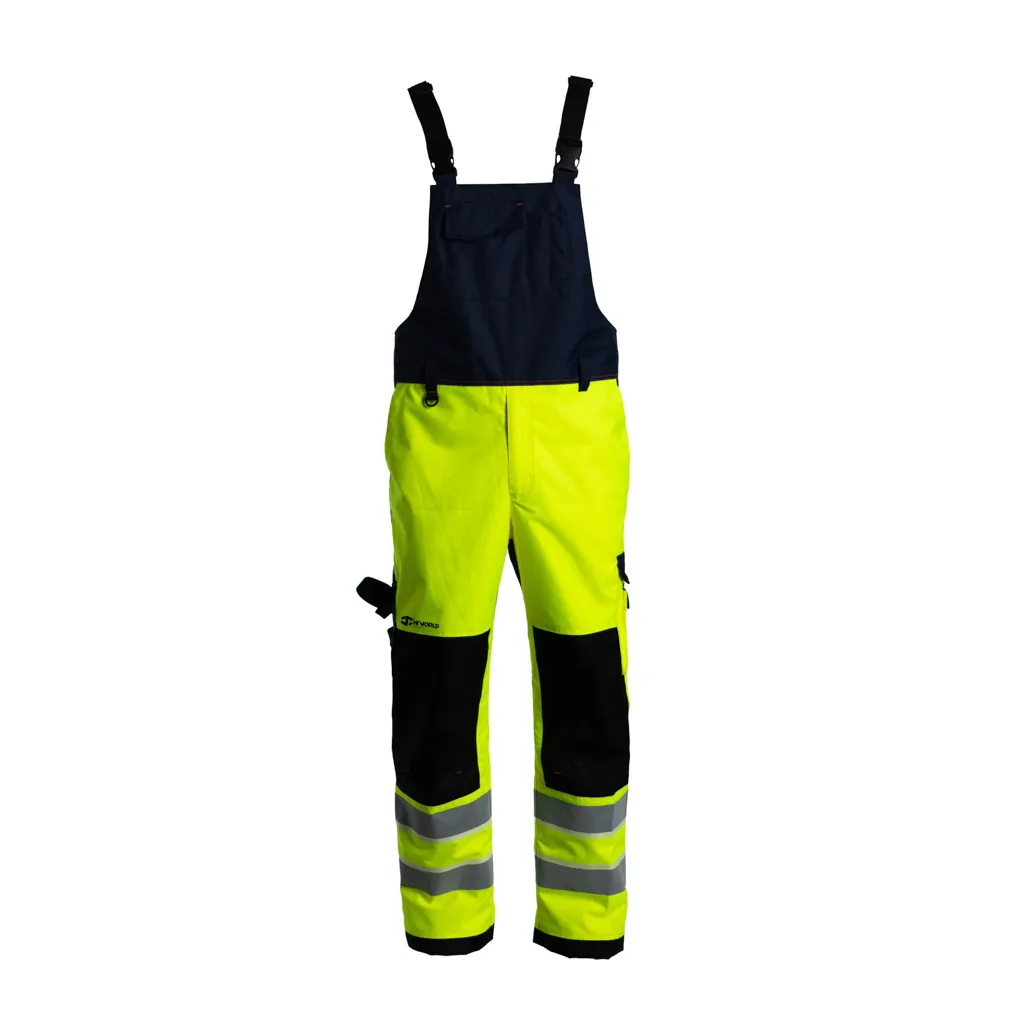
Furthermore, ancillary components must match the resilience of the main fabric. Fasteners such as zippers and buttons must resist melting under thermal stress, and reinforced stitching ensures seams do not split apart when exposed to intense heat. Even reflective safety tapes must retain their flame-retardant properties so they never become a weak point in an emergency.
Avoiding the Hidden Dangers of Improper Layering
A common hazard in industrial safety involves the layering trap. Even the most advanced outer shell can fail to protect a worker if the underlying apparel is unsuitable. Wearing a standard cotton t-shirt or synthetic fleece beneath certified flame-resistant gear creates a severe vulnerability. Conducted or convected heat can easily pass through the outer layer and ignite non-compliant base layers underneath, leading to severe burn injuries.
To maintain system-level compliance, every layer—from underwear and base shirts to hoods, gloves, and outer garments—must work in complete harmony. Ensuring that all components are independently certified and verified for compatibility creates a truly reliable defense system for high-risk operations.
Industrial safety demands uncompromising standards in manufacturing, rigorous quality control, and reliable global supply chains. Organizations seeking dependable, high-performance safety apparel look to specialized manufacturers who master every detail of technical textile production. WEITAI delivers advanced manufacturing capabilities and robust supply chain solutions, ensuring industrial clients worldwide receive certified protective workwear engineered to withstand the toughest thermal environments.