
 EN
EN
The High-Stakes Reality of High-Visibility Procurement
Procuring safety gear across large organizations means balancing regulatory requirements, strict budgeting goals, and daily worker comfort. If you manage purchasing for a major contractor, a global logistics network, or a regional municipal fleet, placing a wholesale hi-vis bulk order comes with genuine pressure. Getting a single detail wrong on fabric specifications, reflective tape ratings, or sizing fits can mean delayed shipments, costly compliance audits, or compromised safety on the job site. Over years of assisting procurement teams through these challenges, one clear lesson stands out: confidence comes from knowing your gear meets international standards long before the first container leaves the loading dock. Moving away from reactive spot-buying toward a structured, quality-first sourcing framework saves time, eliminates guesswork, and keeps your workforce safe.
Navigating International Safety Standards to Ensure Global Compliance
Safety compliance can feel like a moving target when managing sites across different regions. To keep workers fully protected and avoid costly site shutdowns, every high-visibility garment must match localized safety codes precisely. In North America, the ANSI/ISEA 107 framework governs minimum background material and retroreflective placement across Class 1, Class 2, and Class 3 garments. Over in Europe, EN ISO 20471 sets strict benchmarks based on risk levels while demanding high colorfastness and reflectivity during rainy conditions. For Australia and New Zealand, AS/NZS 1906.4 and AS/NZS 4602.1 outline distinct daytime and night-time visibility expectations. Trusted suppliers verify these details upfront by providing independent lab testing reports from recognized testing houses like SGS or TÜV, ensuring every wholesale batch fully satisfies local workplace inspectors.
Evaluating Fabric Durability, Reflective Tape Performance, and Design Ergonomics
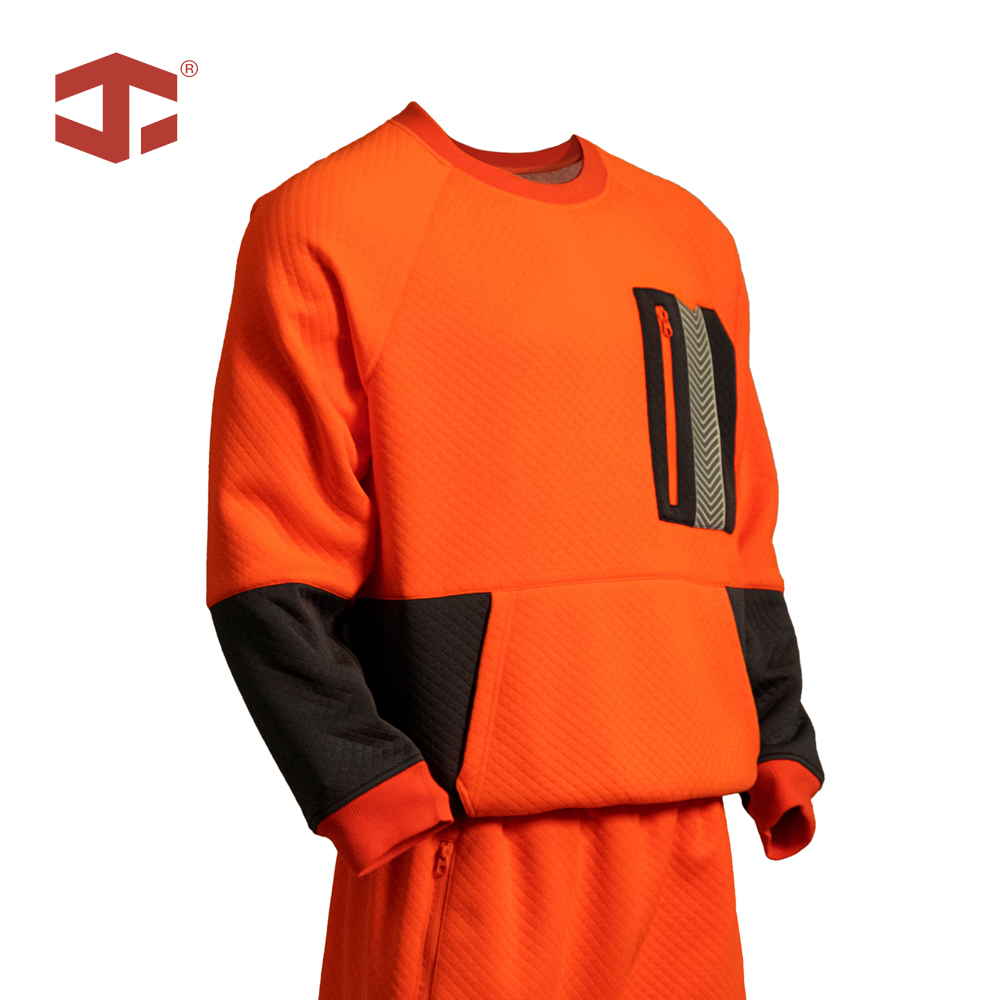
High-visibility clothing operates as active protective equipment exposed to harsh sunlight, abrasive dirt, and repeated industrial washing. When evaluating options for a wholesale hi-vis bulk order, focus closely on three core elements: background fabric weave, reflective tape durability, and overall pattern design. Heavy-duty 300D polyester Oxford fabric with polyurethane coating offers excellent tear resistance and waterproof protection for tough outdoor construction. For hot summer days or indoor warehouse work, lightweight 120gsm warp-knit mesh offers maximum airflow without sacrificing visibility. Reflective elements, such as certified micro-prismatic or premium glass-bead tapes, must retain high retroreflection values even after twenty-five to fifty industrial wash cycles. Meanwhile, practical details like reinforced stitching at strain points, heat-applied segmented reflective bands, and articulated sleeves make a huge difference in daily wearability and job-site compliance.
Mitigating Sourcing Risks: Pre-Production Samples and MOQ Strategies
Taking the risk out of bulk garment manufacturing relies on setting up a clear sampling process before full-scale production begins. Requesting physical pre-production samples lets your team test fit, review stitching density (aiming for ten to twelve stitches per inch), verify seam-sealing tape, and check logo application under real working conditions. Evaluating sample colors under standard D65 light boxes also catches subtle dye lot variations early. Alongside thorough sampling, reviewing flexible Minimum Order Quantity (MOQ) options gives procurement teams room to maneuver. Partnering with suppliers who offer flexible MOQs across mixed sizes, specialized colorways, or seasonal weight options helps companies optimize warehouse storage space, control cash flow, and scale up order volumes smoothly as project demands grow.
Streamlining Supply Chain Logistics for On-Time Multi-Market Delivery
A successful bulk delivery depends just as much on smart supply chain coordination as it does on factory craftsmanship. International buyers need complete visibility from the factory floor to the final warehouse drop. Correct HS code classification, multi-language care labeling, and sturdy export cartons designed to handle long ocean or air transit prevent unexpected port delays. Working with manufacturers who manage integrated supply chains—from raw fabric weaving and dyeing to final assembly—helps lock in stable lead times and protects buyers from sudden raw material price surges. Clear milestone tracking and complete export documentation ensure shipments clear customs cleanly, arriving on schedule to keep projects moving forward without interruption.
Strategic Bulk Ordering with Hiworld
Executing a seamless wholesale hi-vis bulk order requires a trusted manufacturing partner with deep technical knowledge, strong production capacity, and a clear dedication to quality control. Hiworld stands at the forefront of high-visibility garment manufacturing, delivering fully customizable OEM/ODM solutions backed by integrated supply chain resources to clients worldwide. From classic high-visibility vests and weather-resistant parkas to advanced flame-retardant industrial apparel, state-of-the-art facilities ensure every garment strictly meets ANSI, EN ISO, and AS/NZS standards. Discover how streamlined manufacturing transforms bulk purchasing—connect with Hiworld today to review flexible MOQs, examine lab test documentation, and order certified pre-production samples with complete confidence.
Table of Contents
- The High-Stakes Reality of High-Visibility Procurement
- Navigating International Safety Standards to Ensure Global Compliance
- Evaluating Fabric Durability, Reflective Tape Performance, and Design Ergonomics
- Mitigating Sourcing Risks: Pre-Production Samples and MOQ Strategies
- Streamlining Supply Chain Logistics for On-Time Multi-Market Delivery
- Strategic Bulk Ordering with Hiworld