
 EN
EN
The Hidden Vulnerability Of Industrial High-Vis Textiles
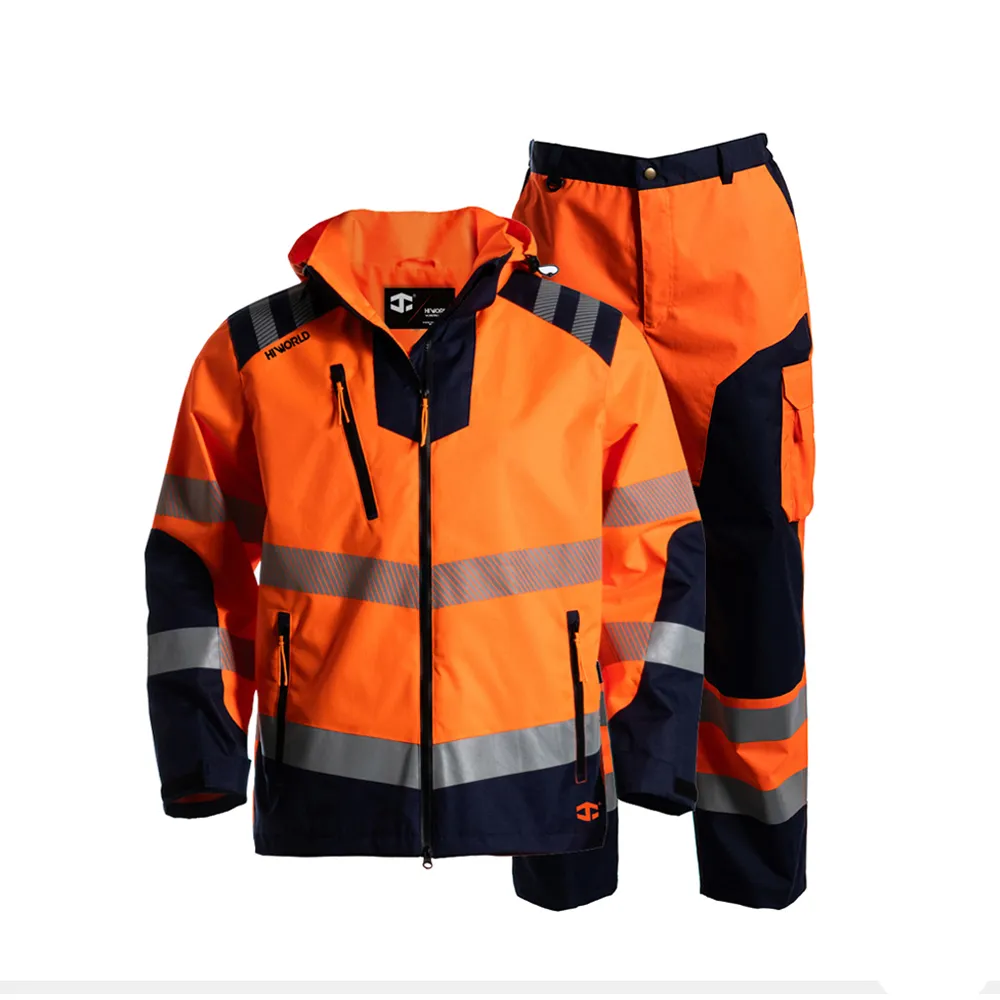
When managing safety compliance for dynamic workforces across construction sites, manufacturing plants, and municipal utilities, safety directors often focus heavily on initial certification tags while overlooking a critical long-term variable: laundering degradation. Industrial workwear undergoes grueling weekly maintenance cycles involving heavy-duty alkaline detergents, high-temperature thermal extraction, and abrasive commercial tumbling. Through years of auditing industrial laundry facilities and observing active job sites, technical specialists consistently notice that safety garments fail not from initial surface wear, but from premature optical decay. Maintaining strict workplace compliance relies heavily on understanding reflective tape durability over extended use, ensuring that visibility performance does not plummet after only a handful of commercial wash cycles. Supervisors frequently note that replacing faded gear mid-season drives up administrative headaches and operational budgets unnecessarily, making material longevity a top priority for corporate buyers.
Understanding Retroreflection Under Severe Thermal And Mechanical Stress
To appreciate why conventional reflective trims fail under pressure, one must examine the micro-optic physics governing retroreflection. High-visibility garments typically utilize either encapsulated glass bead technology or micro-prismatic cube-corner optics to bounce light directly back toward its source. During an industrial wash cycle, these microscopic optical elements face a punishing combination of chemical exposure and mechanical shear forces. High water temperatures soften base polymer binders, allowing harsh laundry chemicals to penetrate the adhesive layer and destabilize the optical interface. Meeting recognized international testing protocols like ISO 6330 and ANSI/ISEA 107 requires advanced stabilization techniques that prevent thermal warping, edge fraying, and loss of candlepower under continuous mechanical agitation. Without robust cross-linked resins protecting the retroreflective beads, the material loses its luminous return angle rapidly.
Field Observations On Common Laundering Failure Points
Firsthand evaluations conducted alongside textile maintenance supervisors reveal distinct patterns of premature failure in sub-standard safety garments. After just ten to fifteen commercial washes, inferior reflective trims frequently exhibit edge cracking, clouding of the protective topfilm, and physical shedding of glass beads. When reflective tape loses its structural integrity, its nighttime retroreflective performance drops drastically, leaving field personnel dangerously exposed in low-light environments. Safety managers who skip rigorous wash-cycle testing often find themselves forced into frequent, costly garment replacements. Documented case studies from large-scale logistics fleets show that investing in high-durability reflective materials significantly extends the active lifecycle of corporate safety uniforms, reducing overall operational expenditure while keeping field teams safely visible.
Advanced Polymer Bonding And Protective Topcoat Engineering
Solving the demanding wash-cycle challenge requires sophisticated material engineering at the molecular level. Premium manufacturers apply specialized polyurethane topcoats and cross-linked binder resins that shield delicate optical elements from moisture ingress and chemical corrosion. Furthermore, high-frequency edge sealing prevents water and detergent from seeping into the sides of the tape during high-pressure extraction processes. This multi-layer composite construction ensures that the retroreflective performance remains uncompromised even after undergoing numerous rigorous industrial laundering cycles. By prioritizing superior raw material selection, enterprises can guarantee continuous regulatory compliance and superior worker protection throughout the entire seasonal deployment of the apparel, eliminating unexpected failure rates.
Streamlining Corporate Procurement And Supply Chain Resilience
Securing a dependable supply of high-durability safety apparel requires evaluating the manufacturing capabilities, testing protocols, and material consistency of your production partner. For global procurement directors navigating complex safety requirements, partnering with established producers like Hiworld ensures direct access to rigorously tested industrial garments engineered for extreme longevity. Backed by advanced technical textile laboratories, strict quality control procedures, and dependable global shipping logistics, Hiworld bridges the gap between rugged workplace safety and seamless corporate supply chains, delivering customized apparel solutions built to endure the harshest industrial demands worldwide. Selecting a manufacturing ally equipped with robust production capacity guarantees steady fulfillment and uncompromised quality standards across every delivered batch.
Table of Contents
- The Hidden Vulnerability Of Industrial High-Vis Textiles
- Understanding Retroreflection Under Severe Thermal And Mechanical Stress
- Field Observations On Common Laundering Failure Points
- Advanced Polymer Bonding And Protective Topcoat Engineering
- Streamlining Corporate Procurement And Supply Chain Resilience