
 EN
EN
Why Multi-Pocket Hi-Vis Vests Are Essential For Modern Industrial Workforces
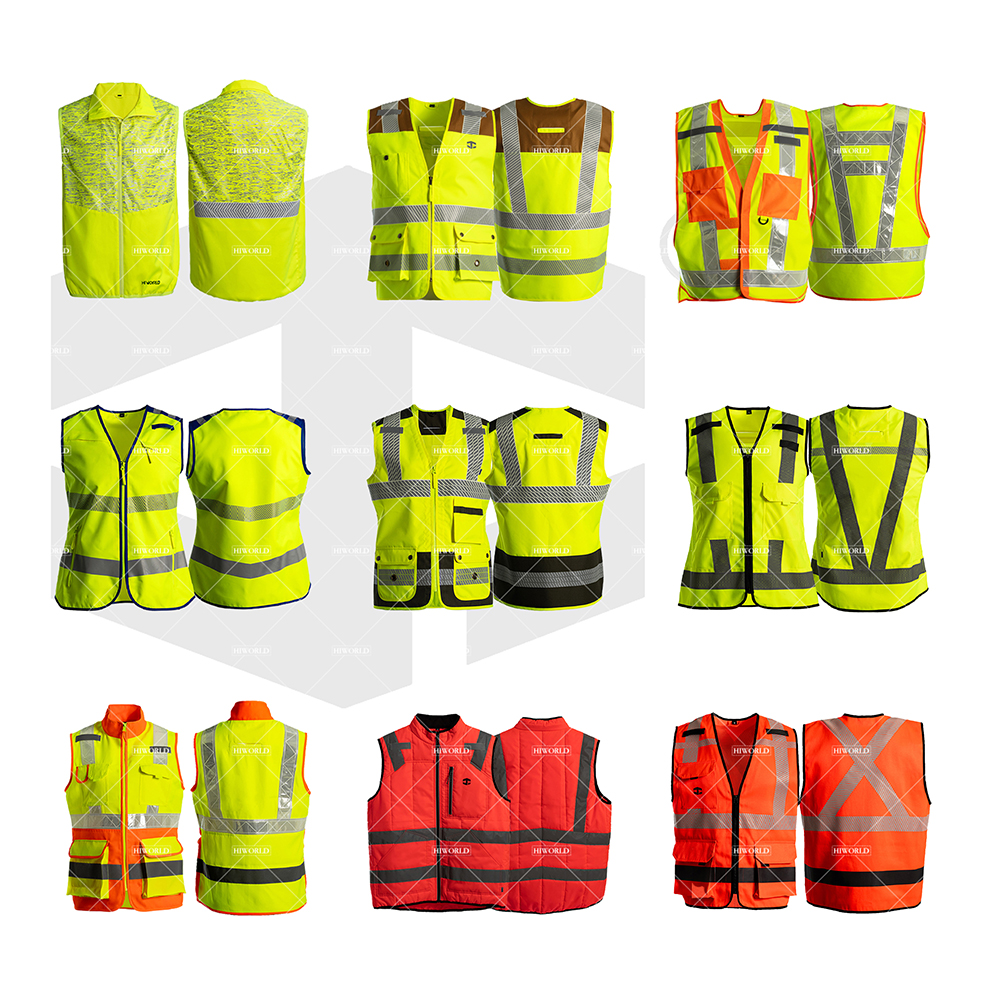
When equipping dynamic crews across bustling construction sites, busy logistics warehouses, and demanding municipal utilities, safety managers often run into a frustrating headache. Standard, one-size-fits-all reflective gear just does not cut it for day-to-day industrial operations. Spending long hours on active job sites reveals a common pattern: when workers struggle with poorly organized gear, everyday tasks slow down, frustration builds up, and potential safety hazards multiply. Moving away from basic, flimsy vests to a purpose-built multi-pocket hi-vis vest is not just about checking off routine compliance boxes. It is a practical operational upgrade that genuinely changes daily productivity, keeps essential tools right at hand, and boosts wearer comfort across diverse global markets. Field supervisors frequently notice that morale improves when team members spend less time patting down pockets looking for missing tape measures, handheld radios, or utility markers. Moreover, when organizations prioritize ergonomic utility wear, overall site efficiency increases because workers spend less time walking back and forth to toolboxes for routine equipment changes, driving better project execution metrics overall.
Ergonomic Adjustability And All-Day Wearer Mobility
A proper safety vest has to move naturally with the body without binding, riding up, or catching on machinery during heavy physical labor. Standard boxy vests tend to bunch up awkwardly or tear under continuous mechanical stress. Modern apparel design tackles this through smart structural adjustments, utilizing flexible side fasteners, heavy-duty hook-and-loop straps, and stretchy side panels that comfortably accommodate different body builds and seasonal clothing layers. Meeting recognized international safety standards like ANSI/ISEA and EN ISO 20471 ensures that the retroreflective bands stay properly positioned across the torso, guaranteeing full 360-degree visibility no matter how the vest is adjusted. Every single adjustment point is carefully stitched using high-tensile threads to withstand harsh daily environments without ever compromising wearer flexibility or restricting natural torso rotation during active job execution. When winter coats or summer shirts change the wearer's profile, quick-adjust side tabs maintain a snug, secure fit instantly. This adaptability prevents garments from snagging on protruding scaffolding or moving parts inside automated industrial facilities, protecting both the worker and the surrounding equipment from unnecessary operational downtime.
Strategic Pocket Layout For Seamless Tool Management
The real magic of a well-engineered safety garment lies hidden beneath the high-visibility fabric through its clever pocket layout. Talking with field technicians and maintenance crews always highlights the exact same issue: bad pocket placement means dropped gear, wasted time searching for tools, and awkward shoulder strains. A reliable multi-pocket hi-vis vest features reinforced, double-stitched compartments specifically built for everyday workplace tools. Think built-in radio loops, secure pen slots, clear ID holders, and deep zippered spaces designed for notebooks, smartphones, or small tablets. This thoughtful layout stops workplace clutter, lets workers grab what they need in seconds, and spreads equipment weight evenly across the back and shoulders. Furthermore, heavy-duty snap buttons and industrial zippers prevent accidental tearing when carrying heavy metallic components, flashlights, or precision measuring devices. Distributing weight correctly across the torso also reduces lower back fatigue over long shifts, ensuring that operators remain comfortable, focused, and alert from clock-in to clock-out.
Material Durability And Long-Term Cost Efficiency
Buying protective gear for large enterprise teams is always a careful balancing act between initial acquisition cost and long-term durability. Cheap, low-quality fabrics fade fast under harsh ultraviolet sunlight, break down quickly through repeated industrial laundry cycles, and fray easily from daily friction, leaving retroreflective tape cracked and completely useless within a few months. Quality manufacturing fixes this critical problem by utilizing tough warp-knit polyester or heavy-duty oxford fabric paired with micro-prismatic tape that stays bright and reflective even after heavy rainstorms or thick mud exposure. Investing in superior raw materials drastically cuts down replacement frequency, driving down total operating costs for corporate safety budgets while ensuring that field personnel remain completely protected throughout changing seasonal weather patterns. Frequent bulk replacements drain resources faster than investing upfront in robust, commercial-grade textiles that maintain their structural integrity month after month, reducing administrative headaches for safety procurement teams and lowering corporate environmental waste footprints simultaneously.
Leveraging Trusted Manufacturing And Supply Chain Excellence
Choosing an experienced apparel partner involves looking closely at manufacturing strength, material consistency, and custom branding options. For global procurement directors hunting for reliable bulk manufacturing, partnering with established producers like Hiworld ensures direct access to rigorously tested industrial apparel. Backed by advanced production lines, strict quality control protocols, and dependable global shipping logistics, Hiworld bridges the gap between rugged workplace protection and smooth corporate supply chains, delivering tailored safety gear designed for demanding environments worldwide. Extensive production capabilities and customized OEM/ODM services enable corporate buyers to scale operations efficiently without ever sacrificing garment integrity or missing tight project deployment deadlines. Building a resilient safety supply chain starts with selecting a manufacturing ally equipped to handle complex international specifications while maintaining uncompromised quality standards across every single delivered unit.