
 EN
EN
The Critical Role of Visibility in Workplace Safety
In high-risk industrial, logistics, and construction environments, visibility is far more than just ticking a box on a regulatory form—it is a vital, life-saving measure that protects your most valuable assets: your people. The EN ISO 20471 standard serves as the global benchmark for high-visibility warning clothing, meticulously designed to ensure that workers are instantly recognizable by drivers, machine operators, and site managers under all lighting conditions, whether in broad daylight, twilight, or pitch-black darkness. For procurement professionals and health and safety managers across the UK, EU, and Scandinavia, having a deep, nuanced grasp of these technical standards is essential for effectively mitigating corporate liability and, most importantly, ensuring team safety. This international standard rigorously evaluates garments not merely by their fluorescent color, but by their proven ability to provide true 360-degree visibility through precise, calculated ratios of high-performance fluorescent background materials combined with advanced, durable retroreflective tapes that reflect light directly back to the source.
Decoding EN ISO 20471 Classes: The Technical Distinctions
This safety standard categorizes high-visibility apparel into three distinct classes based on the minimum surface area of reflective and fluorescent material required for the garment to be considered effective.
-
Class 1 provides the entry-level tier of protection, generally considered sufficient only for low-risk environments where vehicle traffic speeds are strictly limited and controlled, typically staying under 30 km/h.
-
Class 2 offers a significant step up in medium visibility, a common requirement for site visitors, surveyors, or workers operating in zones with moderate traffic flow.
-
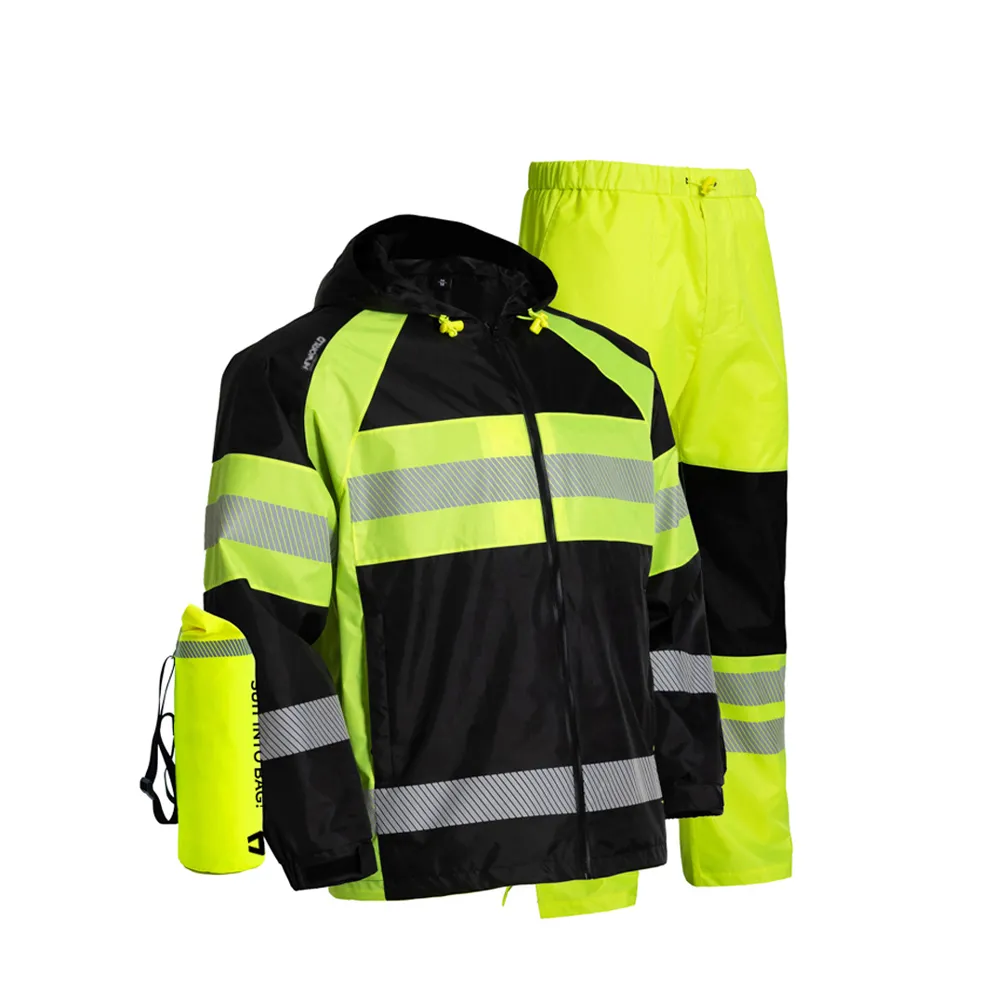
Class 3 represents the absolute pinnacle of personal protective equipment performance. It demands the largest total surface area of visible material, requiring consistent coverage across the torso and limbs. These garments are non-negotiable for highway maintenance crews, rail infrastructure workers, and late-shift night-time operations where high-speed traffic—often exceeding 60 km/h—poses a severe, constant danger to personnel working on the ground.
Navigating Risk: Selecting the Appropriate Class for Specific Tasks
Procurement managers often fall into the trap of over-investing in the wrong types of gear simply to play it safe. While the urge to standardize everything to Class 3 is understandable from an administrative perspective, the real secret to effective procurement is balancing maximum safety with daily wearer comfort. Experience shows that workers are significantly more likely to consistently and correctly wear their PPE if it is breathable, lightweight, and ergonomically designed for their specific, daily tasks. For warehouse logistics teams, Class 2 vests are often more than sufficient to keep everyone safe without adding unnecessary bulk or weight. Conversely, field engineers or road workers require the full, high-intensity coverage of Class 3 coveralls or coordinated, high-performance multi-part ensembles. A thorough, site-specific risk assessment should always precede any bulk purchasing decision. Choosing the right class prevents the common issues of heat stress, fatigue, and restricted movement, which directly leads to much higher compliance rates across the entire workforce.
Beyond Compliance: Material Innovation and Long-term Durability
Achieving initial compliance is only half the battle. High-quality EN ISO 20471 garments must also withstand the brutal, daily rigors of industrial laundering, heavy physical labor, and harsh weather conditions. Utilizing substandard, cheap reflective tape that peels, cracks, or fades after only five or six washes creates a dangerous, hidden safety hazard for the unsuspecting wearer. Professional-grade PPE must meet the stringent ISO 15797 standards for industrial washing cycles. When evaluating potential manufacturing partners, procurement teams should prioritize suppliers who invest heavily in material science and testing. This ensures that the specialized fluorescent pigments maintain their chromaticity under rigorous xenon-arc testing and, crucially, that the retroreflective bands maintain their high coefficient of retroreflection even during heavy rain, sleet, or extreme temperature fluctuations. Reliability in these materials is the fundamental difference between a garment that truly works and a garment that merely looks the part at the beginning of its lifecycle.
Partnering for Safety: Manufacturing Excellence and Supply Chain Strength
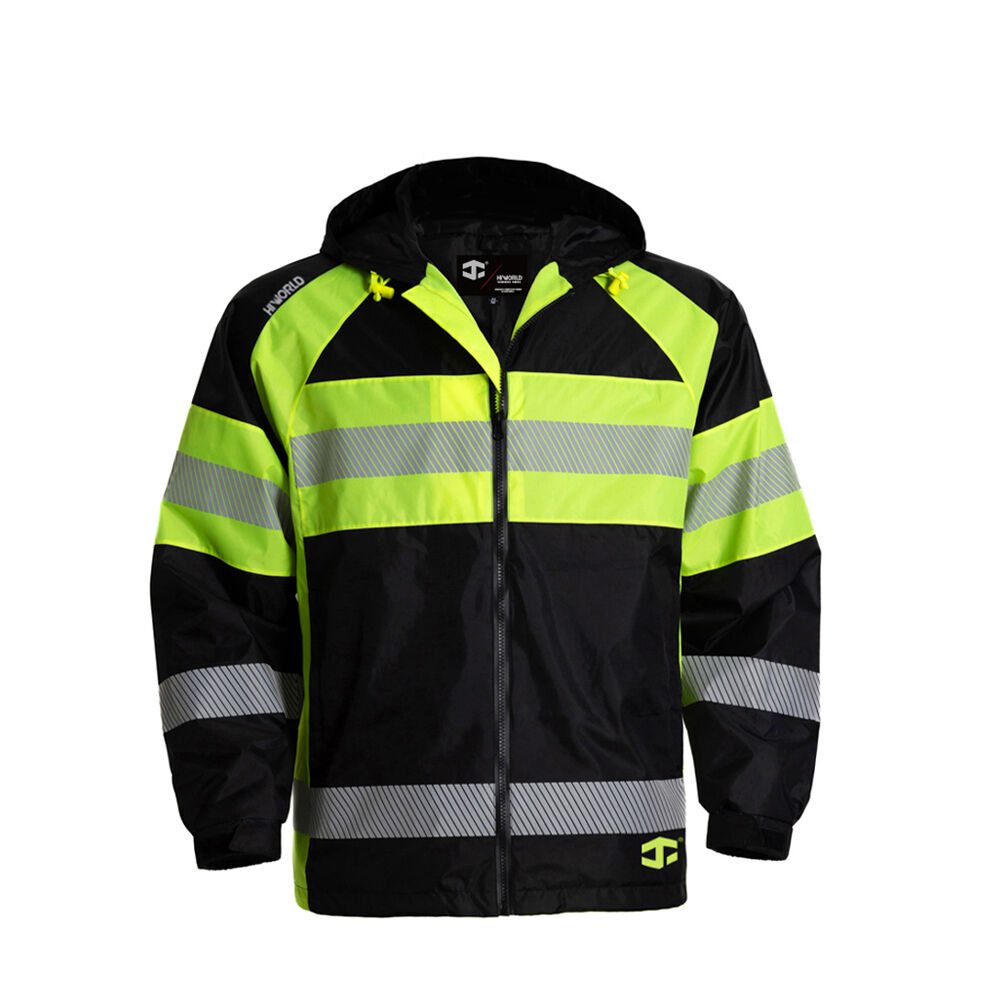
Hiworld understands that high-visibility PPE is much more than just fabric and tape—it is a tangible, critical promise of protection for the workforce. The manufacturing process at Hiworld integrates exceptionally stringent quality control protocols, starting from the careful, expert selection of high-performance technical yarns to precision-automated sewing technologies. This ensures that every reflective strip remains perfectly bonded and durable through thousands of wash cycles, regardless of the intensity of the work environment. Hiworld supports global partners by offering not only a vast, reliable inventory of certified, compliant stock but also tailored OEM and ODM solutions that adapt seamlessly to the specific, evolving regional regulations throughout the UK and European markets. By partnering with a manufacturer that maintains absolute control over its entire supply chain—from raw material sourcing to finished garment dispatch—clients ensure that every single garment meets the most demanding technical requirements of EN ISO 20471 without needing to compromise on cost, lead time, or quality integrity. Investing in a robust, transparent supply chain partnership today is the most effective way to secure the safety and productivity of your teams for the long term.
Table of Contents
- The Critical Role of Visibility in Workplace Safety
- Decoding EN ISO 20471 Classes: The Technical Distinctions
- Navigating Risk: Selecting the Appropriate Class for Specific Tasks
- Beyond Compliance: Material Innovation and Long-term Durability
- Partnering for Safety: Manufacturing Excellence and Supply Chain Strength