
 EN
EN
The Balancing Act of PPE Procurement: Visibility Meets Comfort
Selecting the right high-visibility vest is a pivotal, high-stakes task for any health and safety manager or procurement professional responsible for a large workforce. While the primary goal is undeniable—to keep workers visible, safe, and productive—the reality is that if a piece of equipment is uncomfortable, restrictive, poorly fitted, or prone to rapid wear, the likelihood of employee compliance drops significantly. A successful hi-vis vest buying guide must look far beyond basic regulatory requirements and carefully examine the critical technical features that directly influence both safety performance and daily wearability. When procurement teams prioritize both the technical visibility specifications and the ergonomic needs of the workforce, they create an organizational environment where safety culture genuinely thrives. This guide explores the essential, often overlooked technical factors that should dictate the next large-scale bulk PPE procurement decision.
Material Science: The Technical Foundation of Visibility
The performance of any high-visibility vest hinges on the perfect synergy between high-chromaticity fluorescent background materials and high-performance retroreflective tapes. Fluorescent fabrics are specifically engineered to absorb ultraviolet light and re-emit it in the visible spectrum, making the wearer stand out vividly against complex, chaotic industrial backgrounds during daylight hours. However, the chemical quality of these pigments varies significantly across the global manufacturing landscape. Superior, professional-grade garments use high-chromaticity fabrics that resist structural fading from prolonged UV exposure, ensuring long-term visibility that does not degrade after a few weeks in the sun. Complementing this is the retroreflective tape, which functions by bouncing artificial light directly back toward its source. For industrial procurement, it is vital to verify the coefficient of retroreflection of these tapes. Cheap, low-quality tapes often lose their reflective properties after minimal wear or after undergoing standard cleaning cycles, creating a hidden, dangerous safety liability that is easily avoided with proper vendor vetting.
Ergonomics and Wearability: Why Design Dictates Compliance
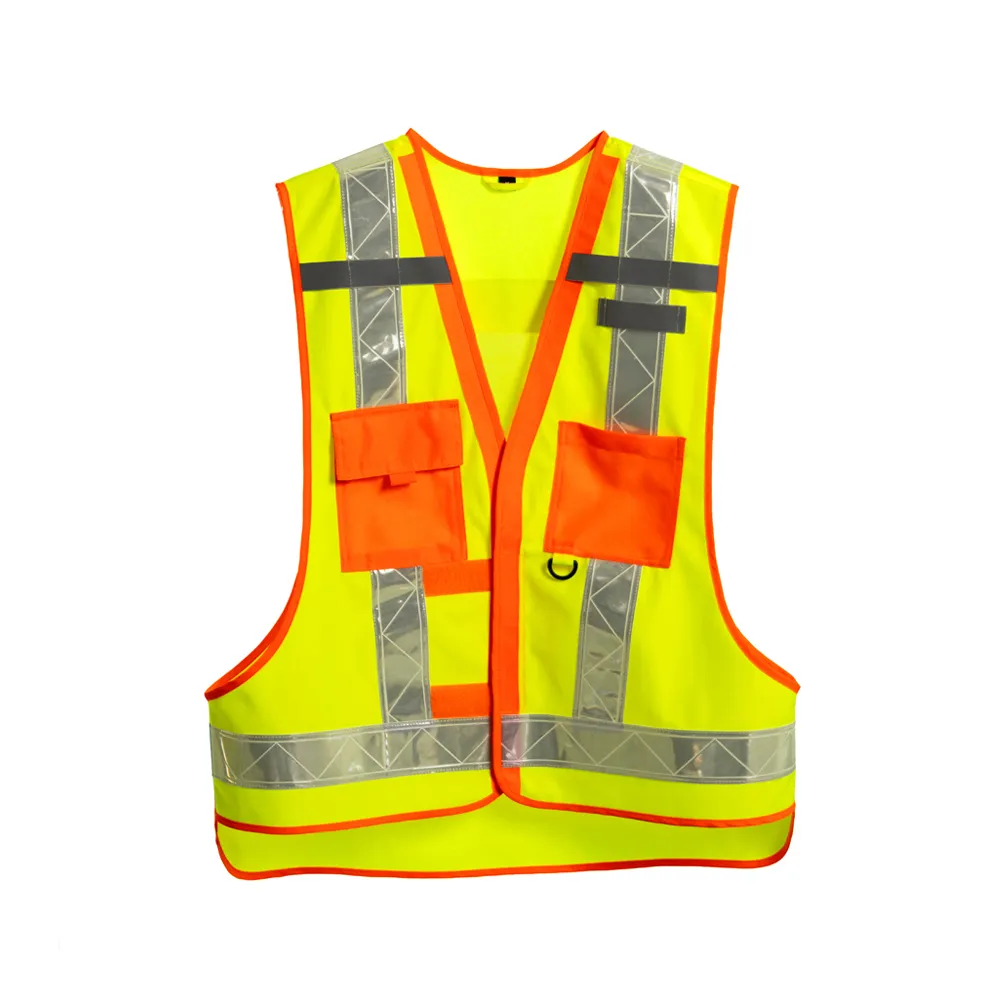
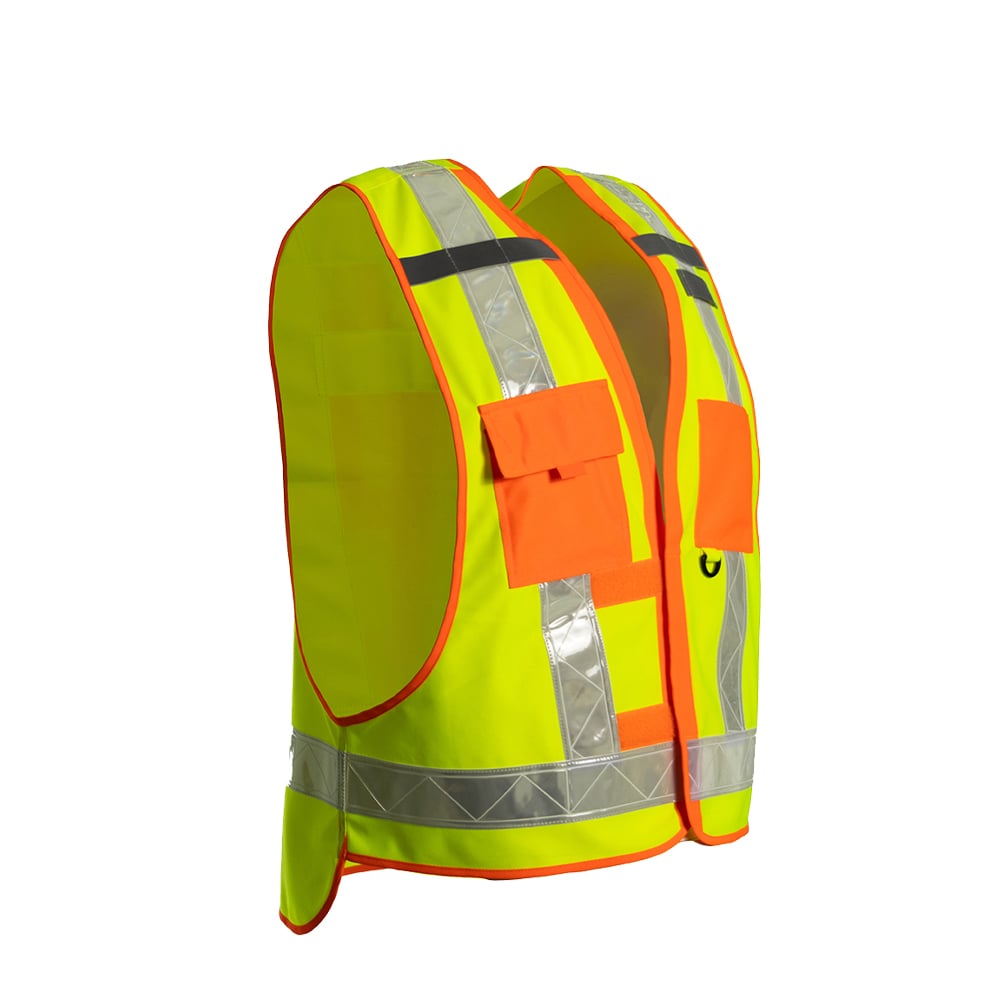
Technical compliance is essentially meaningless if the gear sits in a locker because it is too bulky, heavy, or severely restricts natural movement. Extensive experience in the field confirms that frontline workers are the ultimate, harshest judges of PPE quality. Features such as breathable, high-airflow mesh panels, adjustable side straps for a customizable fit, and moisture-wicking fabrics are not mere luxury additions; they are functional, fundamental necessities that prevent heat stress and fatigue, especially in intensive logistics, warehouse operations, or outdoor construction scenarios. Furthermore, the strategic, reinforced placement of pockets, dedicated radio loops, and transparent ID holders adds significant operational value, allowing workers to carry essential tools without compromising the vest's structural integrity or visual profile. A well-designed vest that accommodates the physical demands of the job ensures that safety compliance becomes an unconscious, easy habit rather than a burdensome chore for the worker.
Durability and the Reality of Harsh Environments
PPE is subjected to some of the most punishing environments on earth—grease, industrial mud, extreme weather, and constant, abrasive physical friction. A comprehensive buying guide must emphasize the critical importance of industrial-grade durability. A vest that meets safety standards when brand new but loses its integrity after two weeks of heavy use is not a cost-effective investment; it is a recurring, frustrating expense and an unnecessary safety risk. High-quality manufacturing involves precision-engineered, reinforced stitching at all major stress points, heavy-duty, reliable zippers that do not fail in freezing cold temperatures, and fabrics that strictly comply with international ISO standards for industrial wash durability. When vetting potential suppliers, always request raw data on colorfastness and the long-term integrity of reflective elements after repeated, harsh industrial laundry cycles. Investing in higher durability upfront significantly reduces the total cost of ownership by extending the replacement interval and maintaining consistent safety standards across the fleet.
Strategic Procurement: Leveraging Advanced Manufacturing
Hiworld understands that high-visibility apparel is not merely a commodity, but a critical, life-saving tool for operational continuity. The manufacturing infrastructure at Hiworld is designed specifically to provide precision, reliability, and technical excellence. By integrating high-performance material sourcing with automated, precision-stitching technologies, Hiworld ensures that every garment produced meets or exceeds the most stringent global safety benchmarks, including the comprehensive EN ISO 20471. The approach to the supply chain is rooted in complete transparency, traceability, and efficiency, providing procurement managers with the peace of mind that comes from a fully controlled, end-to-end manufacturing process. Whether the requirement is for standard, high-volume inventory or specialized, complex OEM and ODM developments tailored to the unique, specific regional site requirements of the UK, European, or Scandinavian markets, Hiworld delivers consistent quality that stands up to the most rigorous professional and regulatory scrutiny.
Choosing a Partner for the Long Term
Selecting a reliable supplier for high-visibility vests is a long-term, high-impact strategic decision that directly affects the safety culture and operational efficiency of any organization. As this guide has illustrated, true value is found at the intersection of technical visibility, ergonomic design, and industrial-grade, long-term durability. A reliable manufacturing partner is one who views safety with the same seriousness as the procurement manager. By focusing on the core, tangible features that affect visibility and comfort, and by partnering with manufacturers who prioritize technical integrity above short-term cost-cutting, organizations can ensure that their teams are protected, compliant, and ready to perform at their absolute best, regardless of the challenges posed by their operating environments.
Table of Contents
- The Balancing Act of PPE Procurement: Visibility Meets Comfort
- Material Science: The Technical Foundation of Visibility
- Ergonomics and Wearability: Why Design Dictates Compliance
- Durability and the Reality of Harsh Environments
- Strategic Procurement: Leveraging Advanced Manufacturing
- Choosing a Partner for the Long Term