
 EN
EN
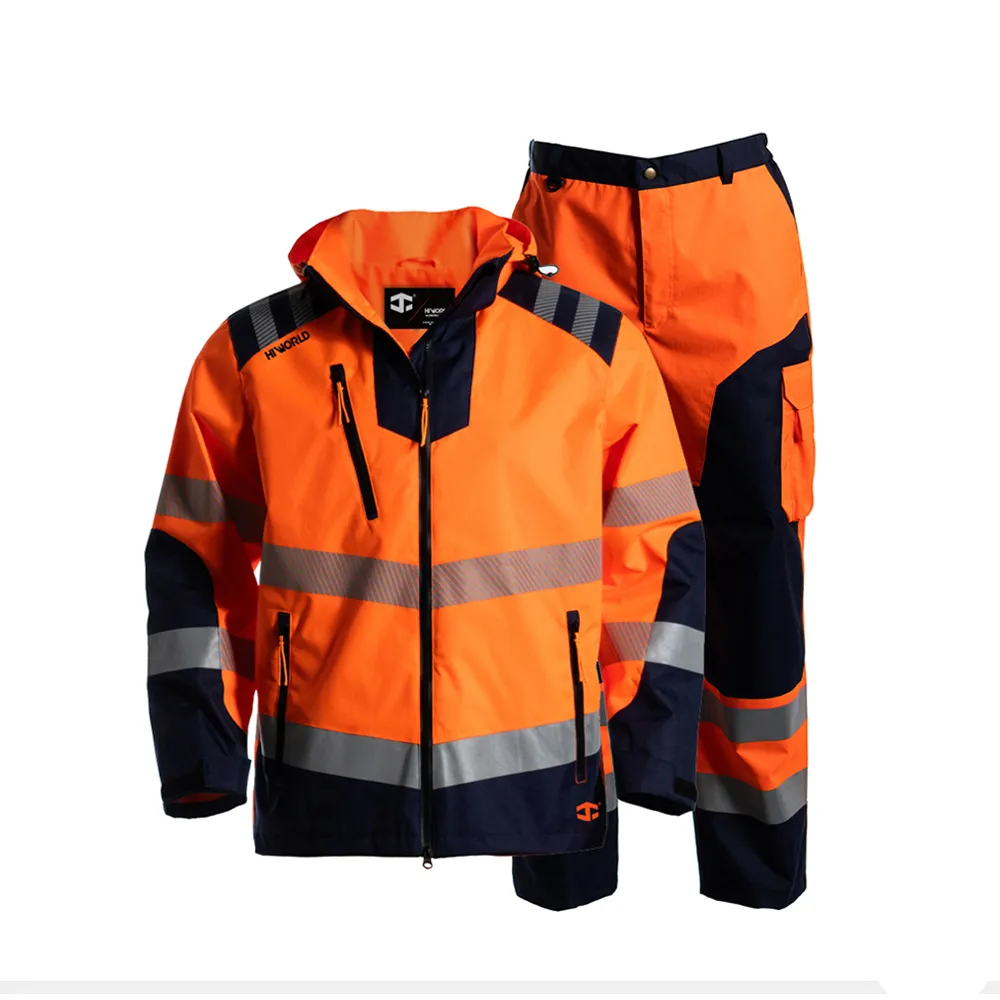
In the demanding world of high-visibility safety gear, the retro-reflective tape serves as the most critical safety component. While bright fluorescent fabric catches the eye during the day, retro-reflective tape acts as a life-saving beacon during night shifts or low-light conditions. However, a widespread misconception persists that all reflective tapes perform identically under stress. The true test of quality is not how a tape performs when it is brand new out of the package, but how it maintains its Coefficient of Retro-reflection, known as the RA coefficient, after surviving the harsh, abrasive, and heat-intensive cycles of industrial laundering. For safety officers and procurement managers responsible for large fleets of high-visibility apparel, understanding the degradation curve of these reflective materials is essential for ensuring that equipment remains compliant and, more importantly, effective throughout its entire service life.
The Science Behind Retro-Reflection and the RA Coefficient
The RA coefficient serves as the primary metric for measuring the efficiency of a material in returning light back to its original source. Scientifically, this is calculated by evaluating the intensity of light reflected at specific observation and entrance angles. High-quality reflective tapes utilize advanced micro-prismatic or glass bead technology encased within a robust, clear polymer layer. When these garments are fresh from the factory, they provide excellent RA values that meet or often exceed global safety standards. The challenge arises when these materials face the relentless rigors of industrial settings: heavy grease, embedded dirt, constant UV exposure, and—most crucially—the repeated mechanical stress of industrial wash cycles. Maintaining a high RA coefficient is not merely about keeping the tape shiny; it is about ensuring the structural integrity of the micro-prisms or beads so that they can continue to effectively bend and redirect light beams back to the eyes of a driver or operator.
Why Industrial Laundering Degrades Performance
Industrial laundering differs fundamentally from standard home washing processes. These environments involve much higher temperatures, aggressive chemical detergents, and high-speed mechanical agitation, often coupled with tunnel finishing or hot-press drying stages. These intense processes can lead to microscopic delamination, where the reflective layer begins to detach from the fabric substrate, or surface abrasion that clouds the retro-reflective surface. In real-world field applications, observations consistently show that cheap, low-quality tapes often experience a sharp, dangerous drop in RA performance after only five to ten wash cycles. This degradation is frequently invisible to the naked eye until the garment is placed in a low-light environment, at which point the worker’s visibility may have dropped to levels that no longer meet essential safety compliance requirements, creating an invisible but very real danger on the job site.
Interpreting RA Test Data What Matters to Safety Managers
When procurement professionals review technical data sheets or third-party test reports, focusing on the "RA after 25 washes" metric becomes a vital, non-negotiable habit. Standard testing protocols, such as those defined by EN ISO 20471 or equivalent global safety benchmarks, specifically monitor performance at the 25-wash milestone. A significant drop in the RA coefficient indicates that the optical integrity of the tape is failing. Safety managers should prioritize manufacturers who provide transparent, third-party verified test results showing only a minimal percentage of light-intensity loss. If the test data shows a steep, plummeting decline in reflective performance after 25 cycles, the garment is essentially a liability waiting to happen, necessitating premature and expensive replacement cycles that drain operational budgets.
Best Practices for Extending Garment Lifecycle
While the intrinsic quality of the tape remains the primary factor in durability, operational best practices can significantly extend the life of high-visibility gear. Encouraging crews to avoid using harsh, acidic bleach or abrasive industrial-grade solvents, ensuring that garments are not packed too tightly during the drying process, and opting for gentle-cycle laundering whenever possible can help preserve the integrity of the reflective tape. Furthermore, regularly inspecting garments for subtle signs of peeling, cracking, or surface dulling is a simple but highly effective safety procedure. When the reflective performance is visibly compromised, the garment must be retired immediately. Training team members to recognize these specific warning signs ensures that the reliance on protective equipment remains grounded in actual performance rather than guesswork.
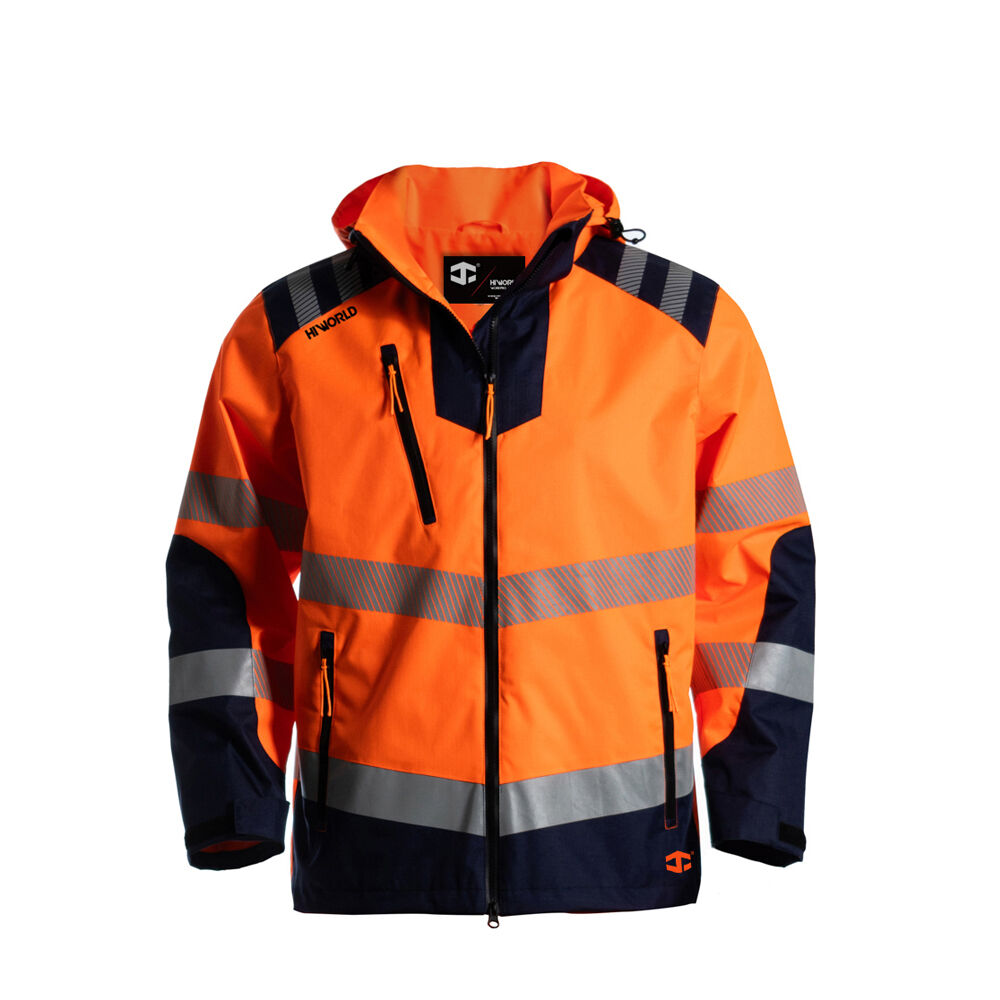
Engineering Longevity The HiWorld Manufacturing Standard
Reliability remains the absolute hallmark of professional-grade safety gear, and HiWorld has engineered its supply chain to ensure that performance remains consistent from the very first shift to the twenty-fifth wash and beyond. By focusing on the precise, advanced chemical bonding of reflective materials to high-durability substrates, HiWorld ensures that the RA coefficient remains remarkably stable even under the most challenging industrial conditions. This technical focus on tape integrity is not just about meeting a standard; it is about providing long-term, measurable value to operations that cannot afford the downtime of replacing sub-par, failing gear. Whether supplying massive global industrial projects or specialized logistics fleets, HiWorld prioritizes manufacturing excellence that guarantees high-visibility performance is maintained, wash after wash. By choosing equipment manufactured with a deep, uncompromising commitment to durability, organizations can effectively manage their safety budgets while ensuring that every worker remains visible, safe, and protected at all times. Professional industrial crews trust HiWorld for consistent, high-performance results.