
 EN
EN
The Safety Imperative: Why Visibility Matters
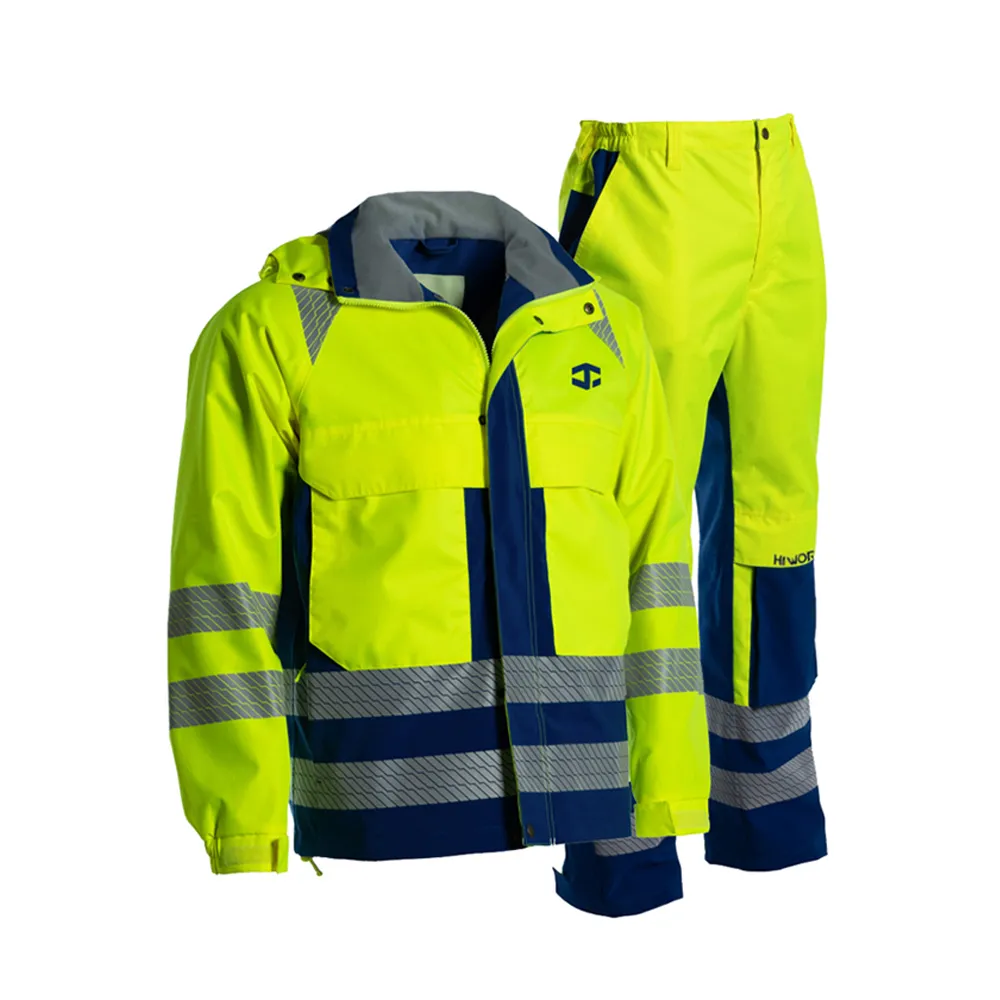
In high-stakes industrial environments, safety is not merely about policy; it is about visibility. As lighting conditions shift and heavy machinery moves, the risk of "being overlooked" remains a constant threat. Adhering to the EN ISO 20471 standard is the global benchmark for risk mitigation. This isn't just about wearing bright colors—it is about ensuring that fluorescent background materials and retro-reflective tapes function in both daylight and low-light conditions. Organizations that prioritize certified gear signal a commitment to worker welfare, which directly correlates to higher operational efficiency and lower incident rates.
Navigating EN ISO 20471: Understanding the Classes
Compliance begins with selecting the correct protective class. The standard categorizes garments based on the surface area of high-visibility materials. Understanding these requirements is essential for procurement managers:
| Class | Minimum Fluorescent Material | Minimum Retro-reflective Material | Best Use Case |
| Class 1 | 0.14 $m^2$ | 0.10 $m^2$ | Low-risk, off-road, or slow-moving areas. |
| Class 2 | 0.50 $m^2$ | 0.13 $m^2$ | Medium-risk construction and logistics sites. |
| Class 3 | 0.80 $m^2$ | 0.20 $m^2$ | High-risk, high-speed traffic, or night shifts. |
Material Selection: Beyond Brightness
The effectiveness of high-visibility workwear hinges on material longevity. In environments like petro-chemicals or mining, standard polyester often fails to meet safety needs. Materials must balance color fastness (resistance to UV fading) and the reflective coefficient of tapes. A common industry mistake is ignoring how fabric performs after 5-10 industrial wash cycles. Hiworld utilizes laboratory-tested fabrics that maintain visibility performance long after initial deployment, ensuring that equipment remains compliant throughout its entire lifecycle.
The Complexity of Branded Workwear
Many companies desire corporate branding on safety gear. However, this is a technical challenge. If a logo covers retro-reflective strips or reduces the fluorescent surface area, the garment loses its certification. Achieving a balance requires precision in printing—specifically, ensuring that branding panels do not create gaps larger than 50 mm in the reflective material. At Hiworld , our manufacturing process integrates these branding requirements during the design phase, ensuring that identity and safety standards are never mutually exclusive.
Supply Chain Excellence as a Safety Standard
Procurement managers require more than just a product; they need supply chain consistency. Hiworld excels in managing the full production cycle, from raw textile sourcing to finished garment quality control. By maintaining strict adherence to EN ISO 20471 testing protocols, Hiworld guarantees that bulk orders arrive with consistent reflectivity and durability. Partnering with a manufacturer that possesses deep technical oversight allows organizations to standardize PPE across global sites without the risk of compliance drift.
Conclusion: Invest in Certified Protection
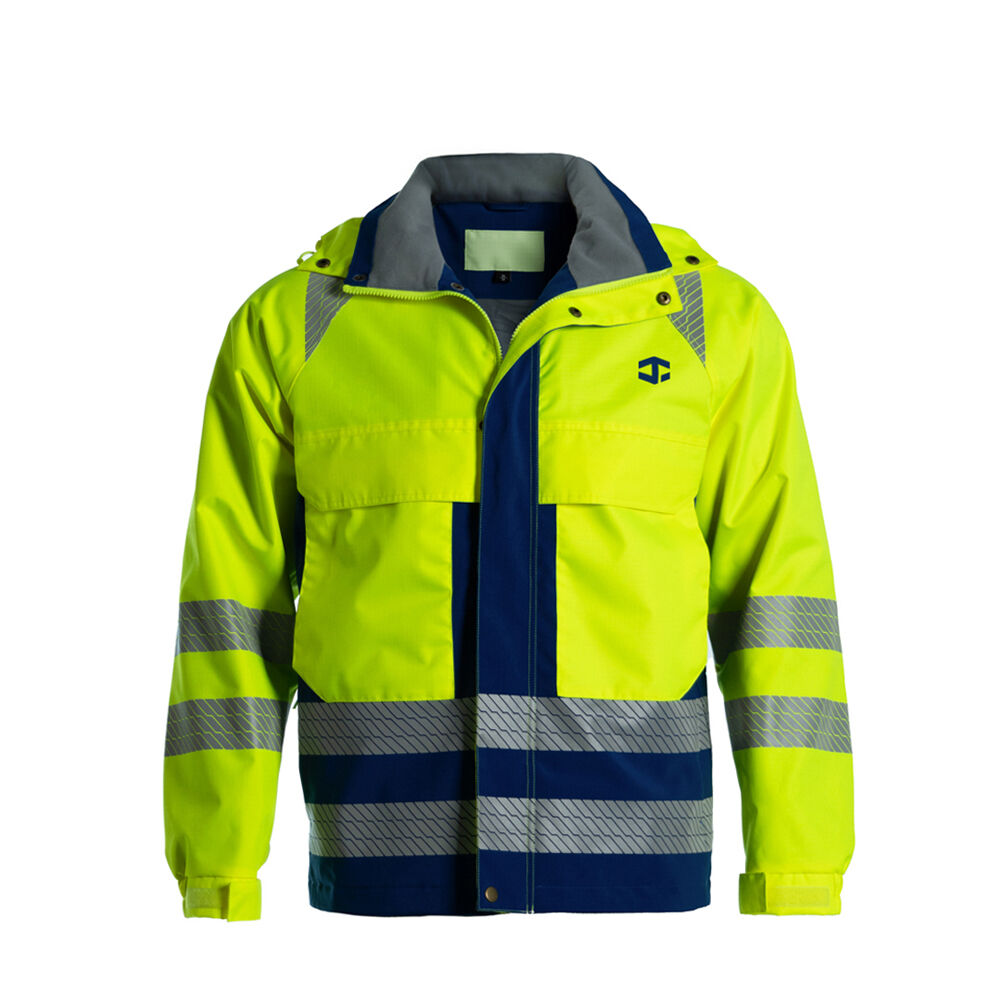
Choosing the right high-visibility workwear is a strategic investment in both human capital and company reputation. By aligning your procurement with the EN ISO 20471 framework and prioritizing durable, manufacturer-backed solutions, you create a safer workplace environment. For companies ready to elevate their safety standards with precision-engineered apparel, exploring the Hiworld product range is the logical next step. Visit