
 EN
EN
The Invisible Threat of Electrostatic Discharge
In high-precision manufacturing environments—ranging from complex electronics assembly lines to pharmaceutical cleanrooms and petrochemical processing plants—static electricity acts as a silent, invisible assassin. A minor, unmanaged spark might seem trivial in daily life, but within these specialized workspaces, it represents a catastrophic failure point. A single discharge event can compromise sensitive micro-circuits or trigger a devastating explosion in volatile atmospheres. Understanding the human body as a primary generator of static charge is the first step toward effective mitigation. The EN 1149 standard serves as the rigorous European benchmark, setting the essential safety parameters to ensure that workwear acts as a reliable tool for human grounding and charge dissipation, rather than a hindrance to safety.
The Physics of the Conductive Grid Mechanism
At the heart of high-performance anti-static clothing lies the innovative conductive-grid architecture. Standard fabrics often act as insulators, trapping static charges against the body until they reach a discharge threshold. Conversely, garments compliant with EN 1149 utilize advanced textile engineering. They integrate continuous, highly conductive filaments—typically made from carbon, stainless steel, or metal-core fibers—woven into the base fabric at precisely calculated intervals. When a worker moves or comes into contact with surrounding equipment, these conductive pathways function like a massive, microscopic lightning rod system. They effectively collect accumulated static charges from the surface of the garment and facilitate their rapid dissipation into the atmosphere or through the grounding system. This process neutralizes the potential energy difference that would otherwise cause a dangerous arc.
Engineering Excellence in Material Selection
True anti-static performance involves much more than simply adding a few metallic threads to a weave. Achieving consistent, long-term compliance requires a sophisticated balance of polymer science, fiber durability, and garment construction logic. Experience in the field has shown that low-quality manufacturing leads to rapid degradation; industrial laundering and daily mechanical stress can cause conductive fibers to fray or break, effectively rendering the garment useless. A superior anti-static garment must ensure that these conductive filaments remain unbroken and continuously linked throughout the entire lifecycle of the clothing. Precision in the weave ensures that even if one segment experiences wear, the overall protective network remains intact and fully functional, meeting the stringent requirements of EN 1149-5 protocols.
Addressing the Hazards of Isolated Components
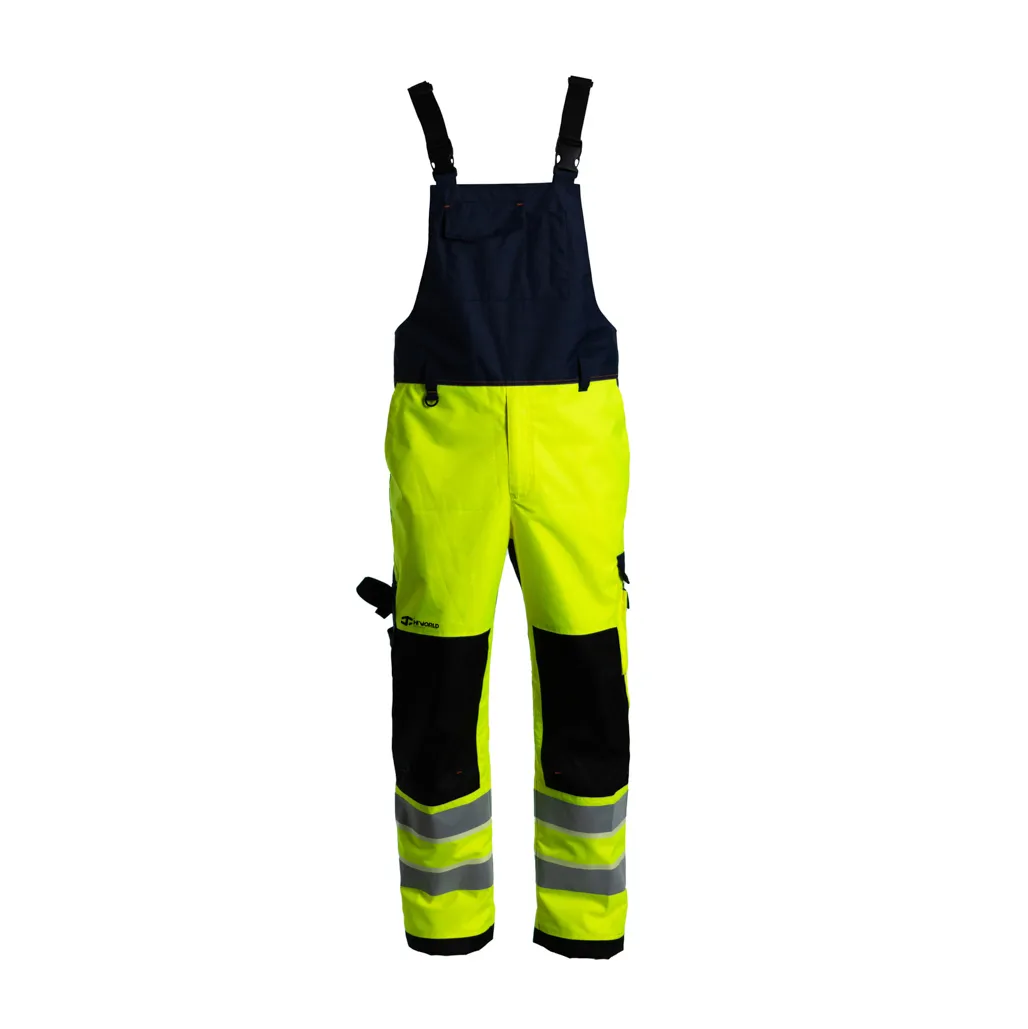
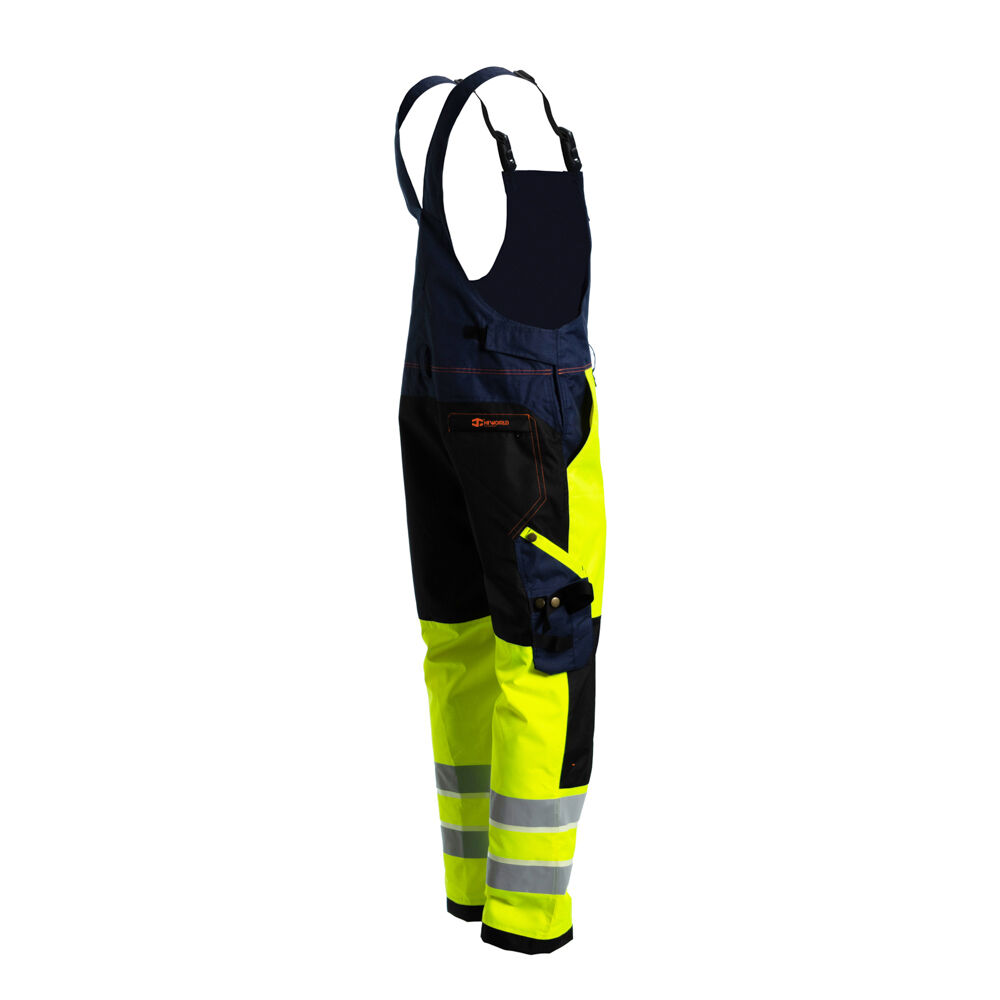
One of the most frequently overlooked failure points in anti-static apparel is the presence of isolated, non-conductive hardware. Buttons, zippers, plastic buckles, and decorative pocket flaps often become "isolated islands" of charge if not correctly integrated into the fabric’s conductive network. If these elements are not designed to dissipate charge, they can accumulate potential and discharge suddenly when coming into contact with sensitive components or hazardous materials. Professional-grade workwear design requires that all such accessories be either made of specialized conductive materials or properly shielded by the surrounding fabric, ensuring that no part of the garment acts as a separate, ungrounded source of static buildup.
The Strategic Value of Certified PPE
While compliance with EN 1149 is a mandatory regulatory requirement across European industry, viewing it merely as a legal checkbox is a strategic mistake. From a commercial perspective, investing in high-quality, certified anti-static clothing is a direct contribution to operational continuity and production yield. Businesses that prioritize high-performance materials report significantly fewer instances of component rejection due to ESD damage and a cleaner safety record regarding fire incidents. By mitigating risks at the worker-environment interface, companies safeguard their most valuable assets—their production efficiency and human capital—while drastically reducing the hidden costs associated with safety-related downtime and rework.
Maintaining Supply Chain Integrity with HIWORLD
Compliance and safety are only as strong as the supply chain supporting them. In the competitive landscape of personal protective equipment, partnering with an entity that understands the deep technical nuances of textile engineering is vital for long-term success. HIWORLD specializes in the intersection of advanced material innovation and reliable manufacturing consistency. By adhering to rigorous quality control protocols, HIWORLD ensures that every garment produced meets the highest standards of the EN 1149 directive. With a deep commitment to sustainable production and technical excellence, HIWORLD provides the reliable support necessary for enterprises to maintain seamless, safe, and efficient operations across even the most demanding industrial environments.