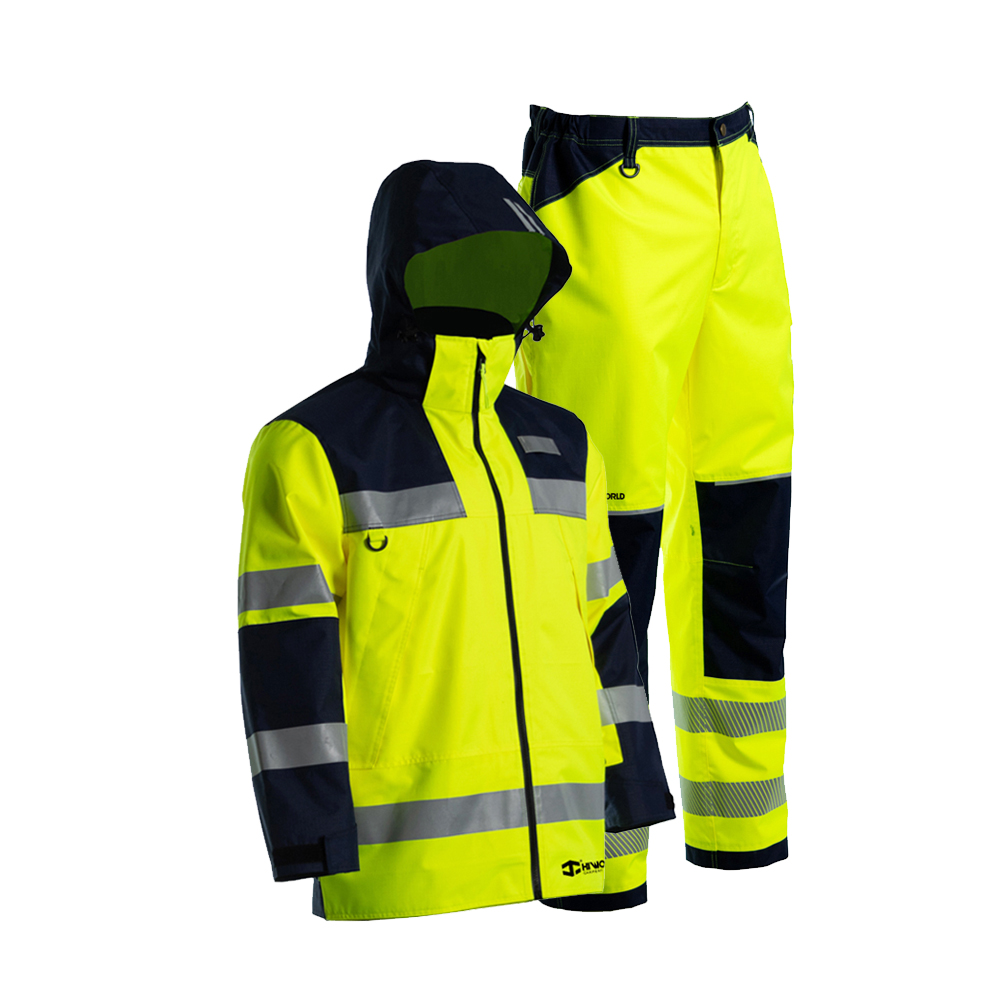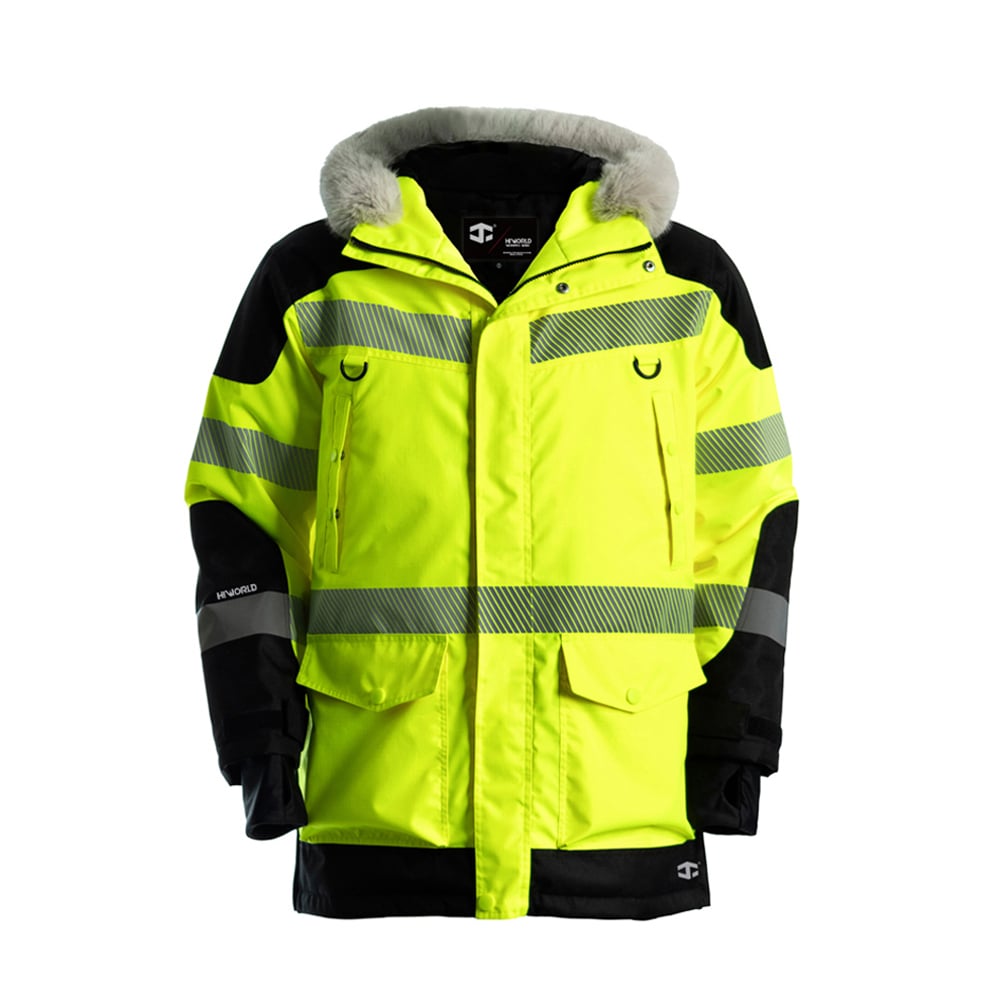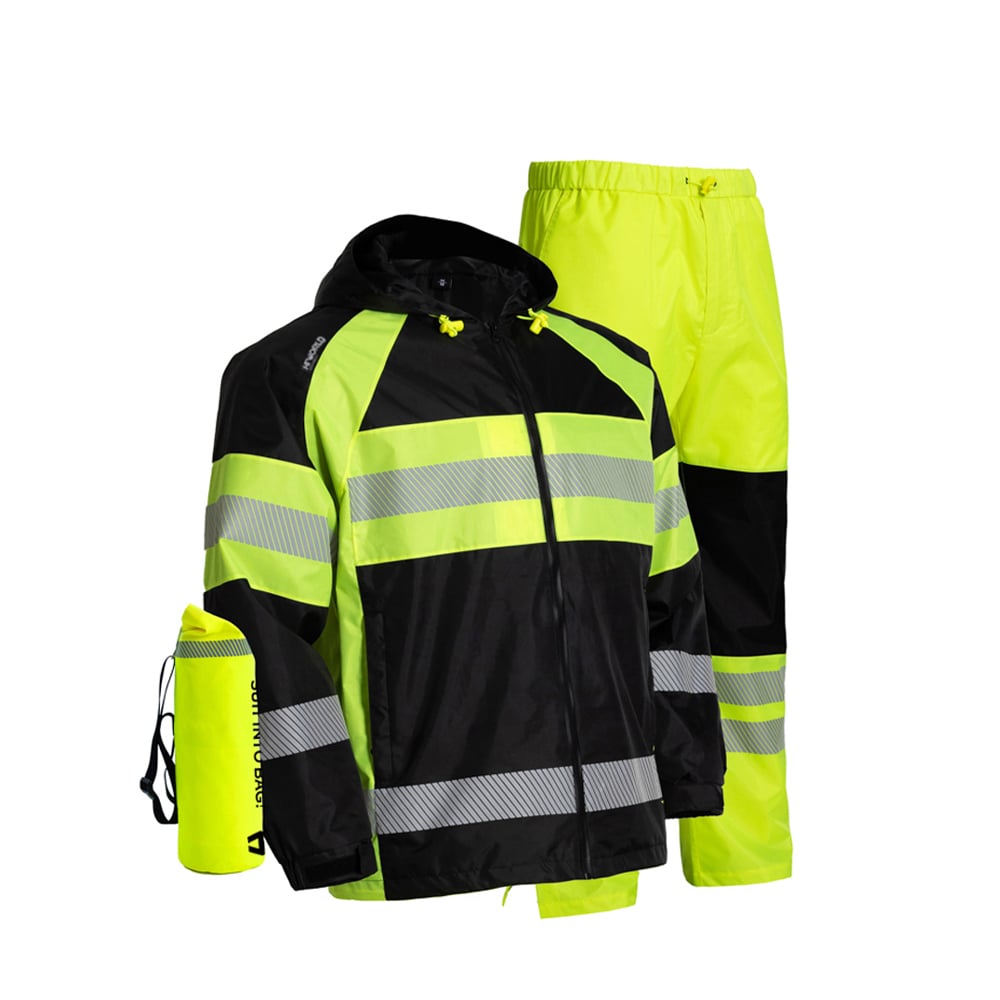


In the world of performance apparel, breakthroughs often begin with a single observation. For our team, that moment came earlier this winter—when graphene, a material once primarily associated with advanced science and technology, began gaining traction across the apparel industry.
While many brands were just starting to experiment with graphene fabrics, our product manager recognized its potential much earlier. Known within the company for his strong market awareness and decisive execution, he quickly identified graphene not as a passing trend, but as a material with real, practical value for functional workwear.
Rather than relying on supplier claims or surface-level research, he took a hands-on approach. Multiple graphene-based garments available on the market were sourced and brought in for internal evaluation. Each piece was carefully examined, tested, and worn in real conditions. The goal was simple: to understand not just what graphene promised—but what it actually delivered.
The findings were clear.
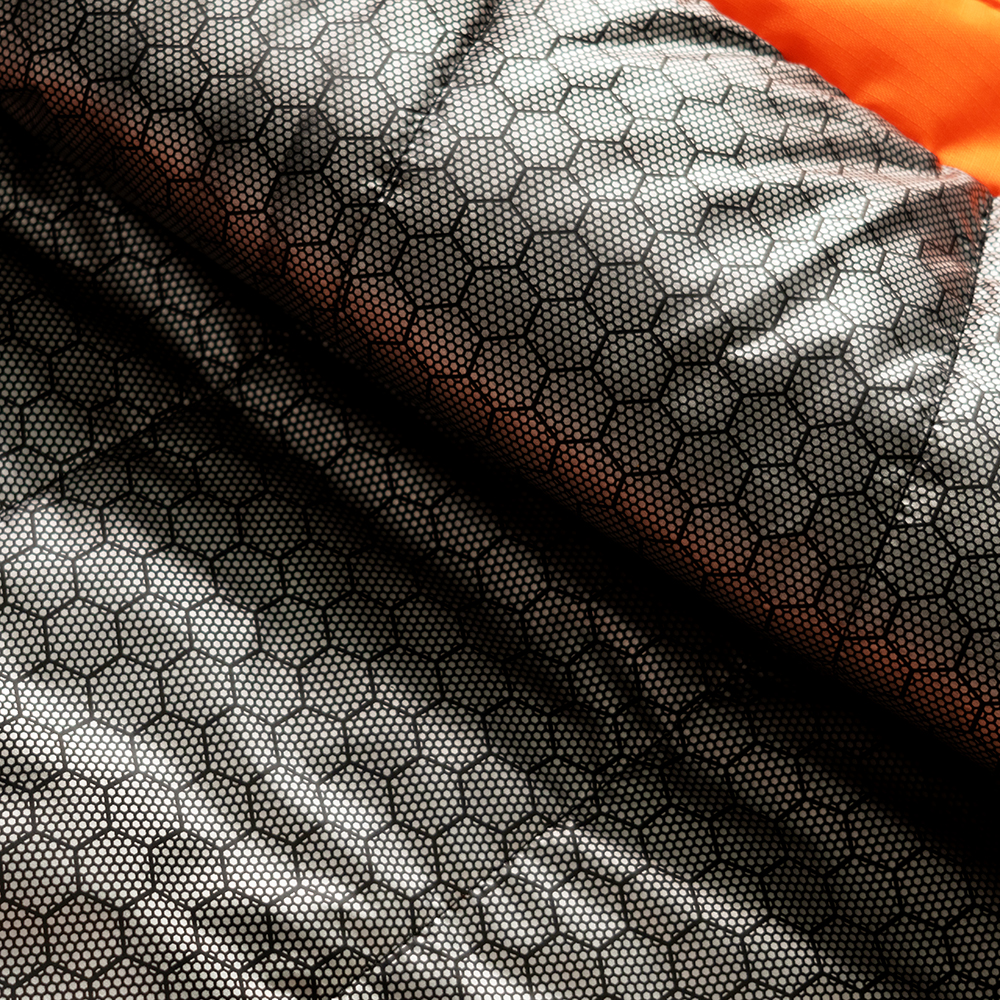
Graphene fabrics demonstrated a compelling combination of performance characteristics. They offered excellent thermal insulation without the bulk typically associated with winter garments. At the same time, the material exhibited natural antibacterial and antistatic properties—features that align closely with the needs of industrial and outdoor workers. Lightweight, functional, and adaptable, graphene presented a rare opportunity to rethink how safety apparel could perform in cold environments.
Based on these insights, the product manager proposed a forward-looking initiative: to integrate graphene materials into the company's safety wear line. The concept was ambitious but grounded—enhance warmth and comfort without compromising the core protective functions that define safety garments.
Once the direction was established, the project moved quickly from concept to execution.
The design team began by rethinking how graphene could be incorporated into safety wear without disrupting its essential functionality. The challenge was not only technical, but also practical: the garment needed to remain compliant with safety standards while offering improved wearability and a more modern appearance. Multiple design iterations were developed, focusing on balancing protection, comfort, and visual appeal.
At the same time, the pattern-making team worked through a series of refinements. Graphene composite fabrics behave differently from conventional materials, requiring adjustments in structure, fit, and movement allowance. Through repeated prototyping and testing, the team optimized the garment to ensure it would feel natural on the body—neither restrictive nor overly loose—while allowing full freedom of movement during demanding tasks.
Parallel to this, the sourcing team undertook an extensive search for suitable graphene-enhanced fabrics. Not all materials labeled “graphene” meet the same standards, and consistency is critical in safety wear. Multiple suppliers were evaluated, with fabrics undergoing repeated testing for durability, texture, thermal performance, and stability. Only after rigorous comparison was the final material selected.
After several rounds of development and cross-team collaboration, the new winter safety garment began to take shape.
The result is a piece that challenges conventional expectations. Compared to traditional winter workwear, the new design is significantly lighter while maintaining comparable warmth. The reduction in bulk translates directly into improved mobility and reduced fatigue—an important factor for workers who spend long hours in physically demanding environments.
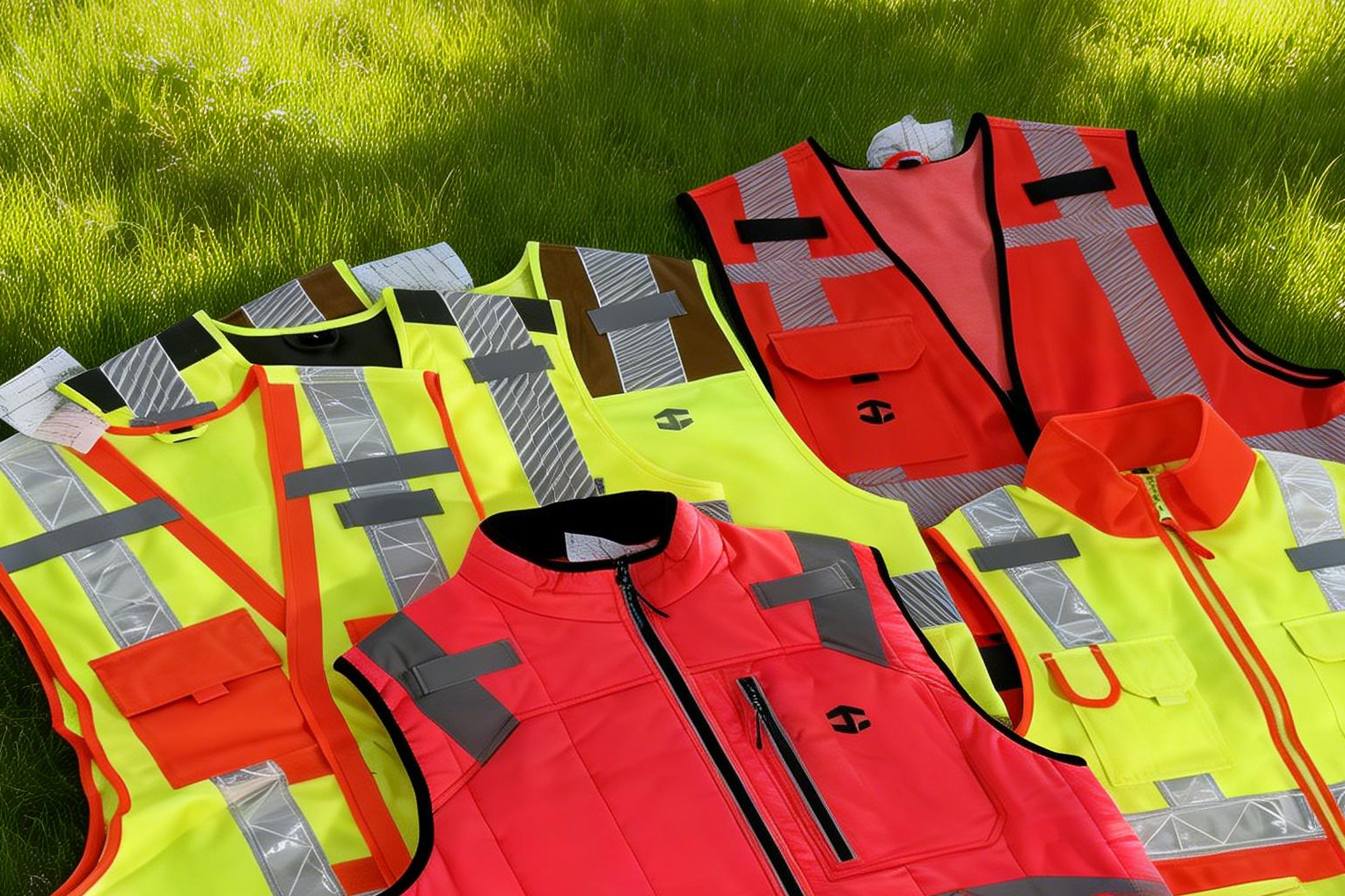
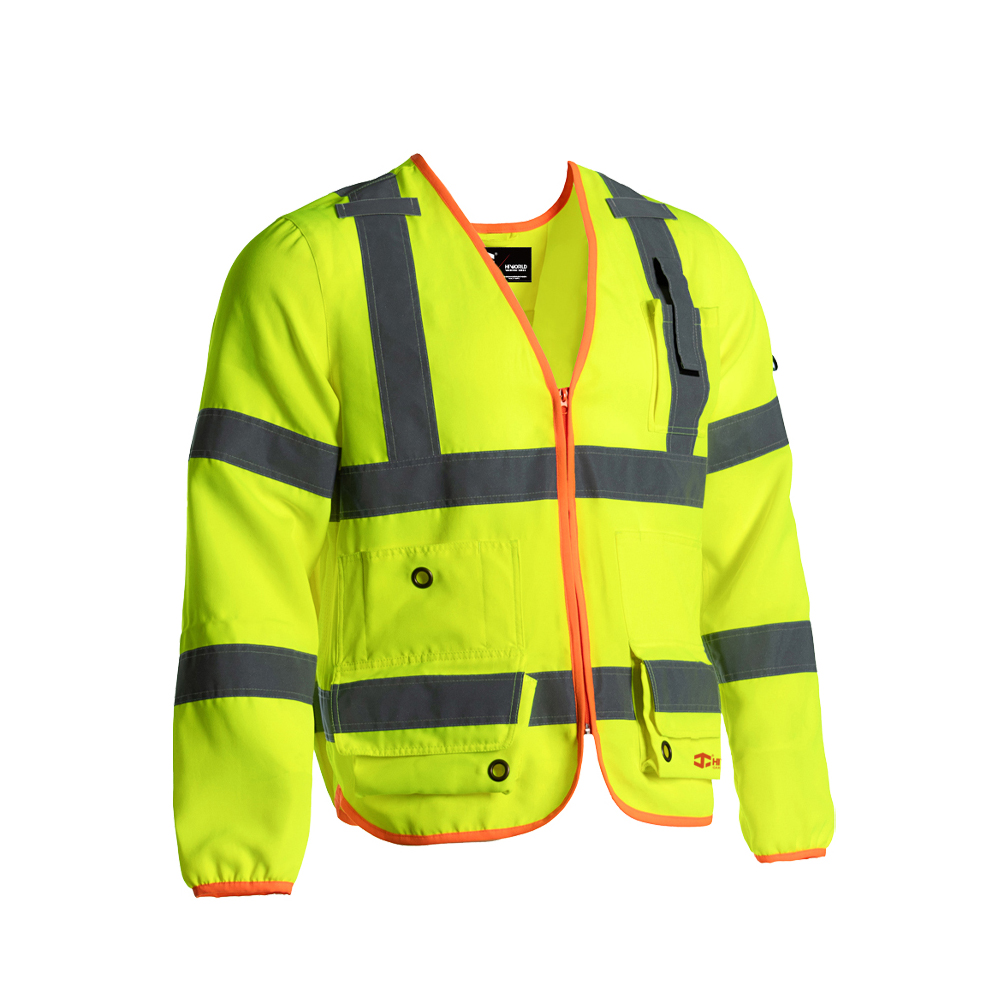
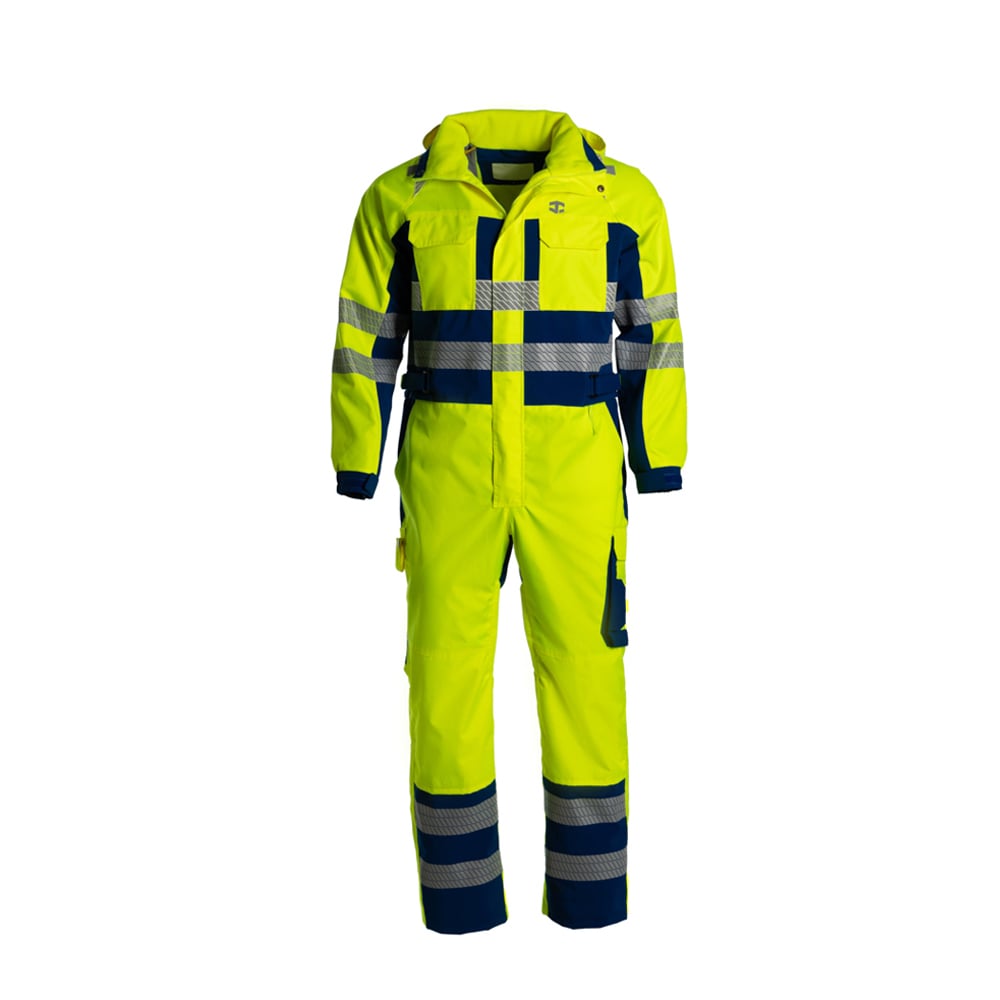
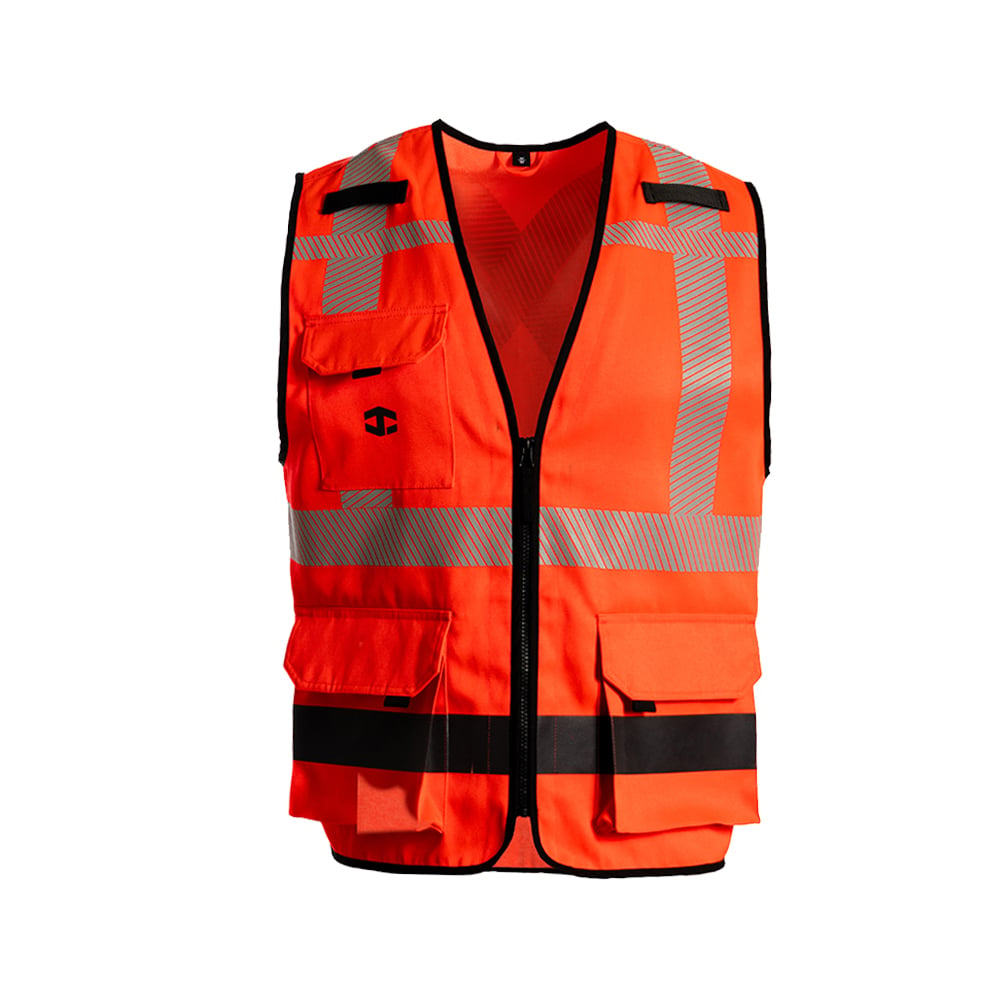
In addition to material innovation, the garment also features refined detailing. Reflective elements have been carefully repositioned and redesigned to enhance visibility without overwhelming the overall look. The final product strikes a balance between safety performance and a cleaner, more contemporary aesthetic—something rarely prioritized in this category.
When the first prototype was completed, it quickly drew attention within the team. Employees who tested the garment noted the difference immediately. One tester remarked, half-jokingly, “This might be the first winter I don’t feel like I’m working wrapped in layers of padding.” Behind the humor was a genuine acknowledgment of the product’s improved comfort and usability.
From initial observation to a fully developed prototype, the journey of this graphene safety garment reflects more than just material innovation—it highlights the importance of proactive thinking and strong product leadership.
At the center of this process was a product manager who not only identified an emerging trend, but translated it into a clear and actionable product strategy. His ability to combine market insight with practical execution ensured that the idea moved forward efficiently, without losing focus on real-world application.
The product is now entering its final testing phase, where it will undergo further evaluation in real working conditions. Key factors such as durability, long-term performance, and environmental adaptability will be closely monitored to ensure it meets the company’s standards for safety and reliability.
If testing proceeds as expected, the new graphene winter safety garment is scheduled for market release next winter—bringing a new level of comfort, performance, and innovation to workers who rely on their gear every day.
Looking ahead, this development marks just the beginning of a broader exploration into advanced materials and their role in safety apparel. As the industry continues to evolve, the company remains committed to identifying meaningful innovations and turning them into practical solutions.
Because sometimes, progress doesn't start with a breakthrough.
It starts with noticing something early—and having the ability to act on it.

 EN
EN