
 EN
EN
Prehliadanie skutočností spojených s nákupom bezpečnostného odevu s vysokou viditeľnosťou
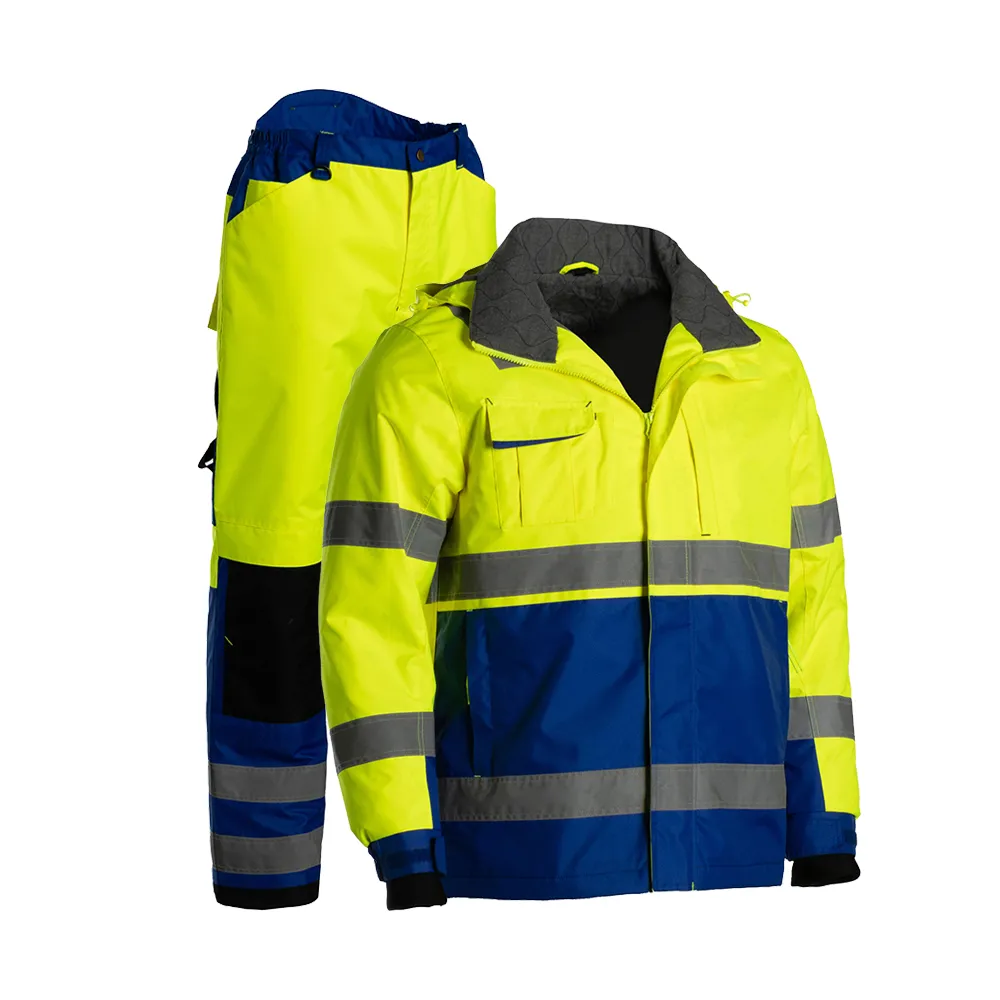
Nákup vysokoviditeľného pracovného oblečenia vo veľkom množstve zriedka predstavuje len rutinnú položku na zozname úloh pre manažérov prevádzok, vedúcich bezpečnosti a nákupných tímov. Ide o kritické operačné rozhodnutie, ktoré priamo ovplyvňuje bezpečnosť pracovníkov na čele operácií, obmedzuje korporátnu zodpovednosť a určuje dlhodobú finančnú efektívnosť. Pri veľkých nákupoch je trh zaplavený nekonečnými katalógmi, rozdielnymi špecifikáciami a protichodnými tvrdeniami. Skutočná istota pri objednávaní veľkého množstva vyžaduje pozrieť sa ďaleko za povrchové popisy a pochopiť skutočné technické riešenie, správanie materiálov a regulačné normy, ktoré oddelujú podprůmerné výrobky od výnimočnej priemyselnej ochrany. Bez tejto jasnosti organizácie často čelia skrytým nákladom spojeným s predčasným opotrebovaním odevov a ohrozením bezpečnosti na pracovisku.
Rozluštenie technickej reality inherentných a upravených FR látok
Jednou z najdôležitejších technických voľb, s ktorými sa stretávajú nakupujúci pri hromadnej zakázke osobnej ochrannej výbavy, je rozhodnutie medzi vlastnými a upravenými požiarnovzdornými látkami. Materiály s vlastnou požiarnou odolnosťou sú vyrobené z vlákien, ktoré majú v svojej molekulárnej štruktúre zabudovanú odolnosť voči extrémnym teplotám a otvorenému plameňu. Táto ochranná schopnosť je trvalo integrovaná, čo znamená, že sa nesmie vypláchnuť ani opotrebovať bez ohľadu na to, ako často sa odev podrobí náročnému priemyselnému praniu. Na druhej strane požiarnovzdorné odevy s upravenou odolnosťou využívajú štandardné základné vlákna, ktorým sa chemickým ponorením alebo povrchovým potiahnutím dodáva požiarnovzdornosť. Hoci upravené možnosti zvyčajne ponúkajú atraktívnejšiu počiatočnú cenu, chemická bariéra sa postupne degraduje pri opakovanom vystavení prísneho priemyselného pracieho prostriedku a viacnásobným pracím cyklom. Skúsení odborníci na bezpečnosť si uvedomujú, že pre prostredia s vysokým rizikom prináša investícia do technológie s vlastnou požiarnou odolnosťou výrazne lepšiu celkovú nákladovú efektívnosť, pretože dodržanie bezpečnostných predpisov zostáva neporušené počas celého životného cyklu pracovného odevu.
Hodnotenie praktickej trvanlivosti a dodržiavania globálnych predpisov
Okrem počiatočných laboratórnych testov musia veľkí nákupníci vyhodnotiť, ako sa odevy s vysokou viditeľnosťou správajú za náročných reálnych podmienok. Takýto kabát alebo vesta, ktorý zodpovedá bezpečnostným štandardom pri dodaní, ale po niekoľkých týždňoch na stavenisku stratí svoju retroreflexnú svietivosť alebo pevnosť v ťahu, predstavuje neviditeľné, vážne nebezpečenstvo. Počas hromadných rokovaní by odborníci na nákupy mali vždy požadovať certifikované správy o testovaní tretích strán, ktoré potvrdzujú súlad s uznávanými medzinárodnými štandardmi, napríklad ANSI/ISEA alebo ISO 20471. Zmena nákupného prístupu od najnižšej počiatočnej ceny za kus k celoživotnému výkonu zabezpečuje, že každý investovaný dolár sa premení na trvanlivú a spoľahlivú ochranu. Posilnené švy v oblastiach vysokého namáhania, vynikajúca odolnosť farby voči vyblednutiu a dýchací, vlhkosť odstraňujúci tkaninový vzor nie sú len estetické luxusy; ide o zásadné štrukturálne prvky, ktoré zaručujú, že odevy prežijú stovky náročných smien v náročných priemyselných odvetviach.
Prekonávanie nekonzistentnosti výroby pri výrobe vo veľkom objeme
Najväčšou frustráciou pri veľkoobchodnom nákupe je udržanie absolútnej konzistencie kvality pri zvyšovaní objednávky od niekoľkých vzoriek na tisíce kusov. Výrobné odchýlky často vedú k nerovnomernosti hustoty švíkov, nepravidelnosti hmotnosti látky a jemným rozdielom v dodržiavaní bezpečnostných noriem medzi jednotlivými výrobnými dávkami. Spoločnosť Hiworld tieto operačné riziká účinne eliminuje zavedením prísnych kontrolných bodov zabezpečenia kvality počas každej fázy výrobného cyklu. Od počiatočnej laboratórnej verifikácie surového priadze a reflexných pásov až po finálny mechanický test zaťaženia dokončenej odevnej výrobky zabezpečuje výrobný proces prísnu jednotnosť. Tento stupeň kontroly kvality predstavuje konečný základ dôvery pre globálne dodávateľské reťazce a zaručuje, že každá hromadná dodávka doručená na miesto zákazníka presne zodpovedá referenčnému vzorku schválenému pred výrobou.
Využitie strategických výrobných partnerstiev na dosiahnutie dlhodobej hodnoty
Úspešné hromadné obstarávanie je v konečnom dôsledku menej o zabezpečení transakčného dodávateľa a viac o vytvorení spoľahlivého, integrovaného výrobného partnerstva. Hiworld prekonáva medzeru medzi hlbokou, výskumom podloženou odbornosťou v oblasti materiálov a pružnou škálovateľnosťou výroby a poskytuje riešenia špeciálne prispôsobené zložitým priemyselným požiadavkám. Či už korporácia potrebuje špecializované zmesi viacfunkčných látok, individuálne farebné konfigurácie alebo prispôsobené veľkosti špeciálnych výbavových skupín, technický tím spoločnosti Hiworld spolupracuje priamo s oddeleniami obstarávania na návrh optimálnych bezpečnostných riešení. Využitím integrovaného a transparentného modelu dodávateľského reťazca Hiworld odstraňuje nadbytočné trenie prostredníkov a zároveň ponúka konkurencieschopné veľkoobchodné ceny aj prevádzkovú spoľahlivosť potrebnú na nepretržitý chod rozsiahlych priemyselných projektov bez porúch v dodávateľskom reťazci.
Konečné kroky k istej hromadnej nákupnej stratégii
Zabezpečenie výrazného pracovného oblečenia v hromadnom množstve s absolútnou istotou vyžaduje vyváženú kombináciu technického pochopenia, dôkladnej kontroly dodržiavania noriem a spoľahlivého výrobného partnera. Zvládnutím základných rozdielov medzi typmi materiálov, ako sú napríklad prirodzené a upravené možnosti, a spoluprácou s dôveryhodným výrobcom môžu organizácie chrániť nielen svojich zamestnancov, ale aj svoje finančné výsledky. Hiworld sa stále plne zaväzuje zvyšovať globálne štandardy priemyselnej bezpečnosti prostredníctvom presného inžinierstva, nekompromisného kontroly kvality a prehľadného výrobného procesu. Keď vaše prevádzky vyžadujú optimalizovaný a spoľahlivý prístup k hromadnému nákupu pracovného oblečenia, Hiworld je pripravený poskytnúť presnú odbornosť, rozsah a konzistenciu, ktoré si vaši zamestnanci zaslúžia.
Obsah
- Prehliadanie skutočností spojených s nákupom bezpečnostného odevu s vysokou viditeľnosťou
- Rozluštenie technickej reality inherentných a upravených FR látok
- Hodnotenie praktickej trvanlivosti a dodržiavania globálnych predpisov
- Prekonávanie nekonzistentnosti výroby pri výrobe vo veľkom objeme
- Využitie strategických výrobných partnerstiev na dosiahnutie dlhodobej hodnoty
- Konečné kroky k istej hromadnej nákupnej stratégii