
 EN
EN
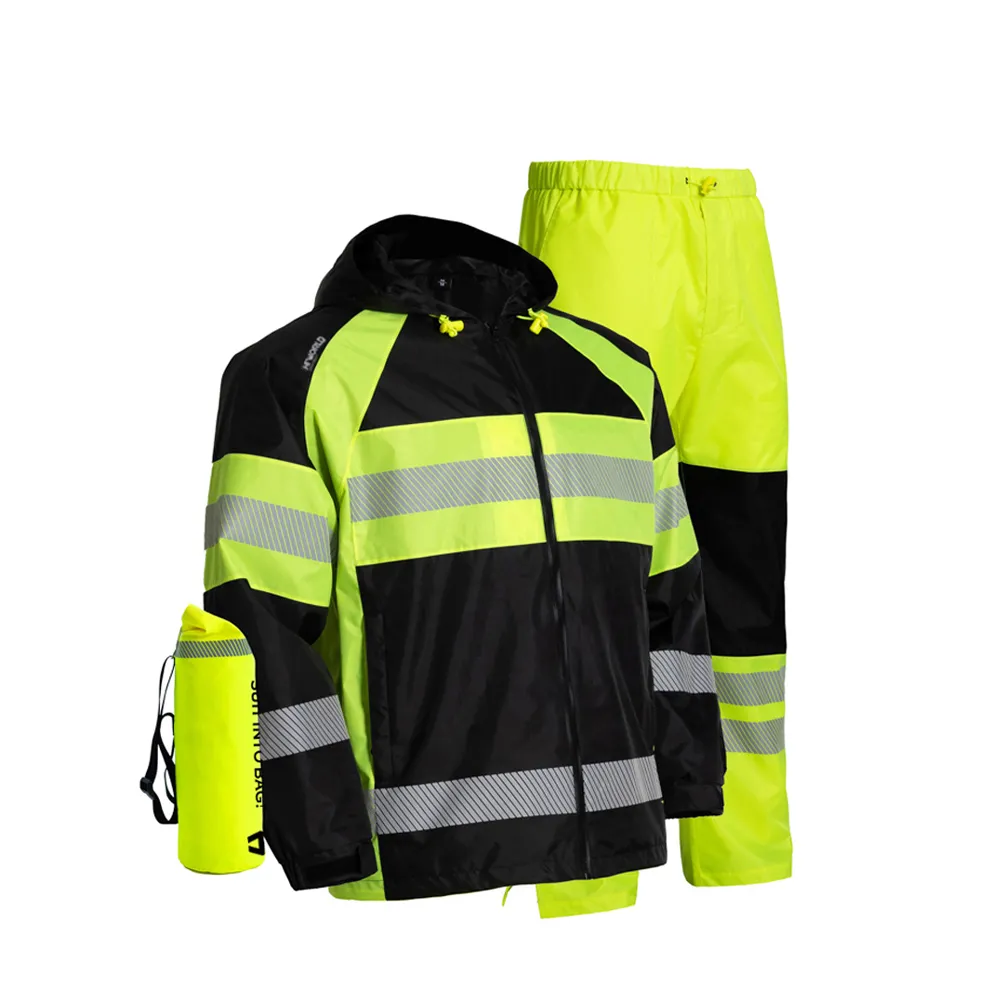
In high-risk industrial environments such as offshore oil platforms, utility maintenance, municipal infrastructure construction, and field surveying, weather exposure poses a direct threat to worker health, thermal balance, and operational throughput. Choosing professional waterproof workwear is not simply a matter of employee comfort; it is a critical safety and productivity requirement. Standard rainwear often traps internal moisture or fails under mechanical strain, whereas specialized outdoor waterproof workwear maintains a reliable hydrophobic barrier while enabling sweat vapor transmission.
Without technical field work waterproof gear , exposure to driving rain, high wind, and cold temperatures rapidly leads to hypothermia, reduced manual dexterity, and increased accident risks. This article examines the core engineering principles, international testing standards, and practical selection criteria required when specifying a high-performance iaccaea operis imbribus impervia and protective trousers for industrial field teams.
Hydrostatic Head Pressure vs. Breathability Balance
The key technical benchmark for effective waterproof workwear lies in balancing water resistance against moisture vapor transmission rate (MVTR). Water resistance is measured using the Hydrostatic Head test (ISO 811), which calculates the column height of water (in millimeters) a fabric withstands before water penetrates the surface.
To guarantee that an outdoor waterproof workwear garment remains effective during extended heavy downpours or when leaning against damp surfaces, fabric ratings must exceed basic domestic standards.
| Parameter Technicus | Standard Utility Grade | Heavy Industrial Grade | Field Operation Impact |
| Hydrostatic Head (ISO 811) | 5,000 mm H₂O | 15,000 – 20,000 mm H₂O | Prevents liquid penetration under heavy pressure |
| MVTR (JIS L 1099 B1) | 3,000 g/m²/24 hr | 8,000 – 10,000 g/m²/24 hr | Allows sweat dissipation to prevent inner saturation |
| Ret Value (ISO 11092) | Ret 13 – 20 (Moderate) | Ret < 6 (Extremely Breathable) | Reduces physical heat strain during heavy labor |
| Constructio unionum | Single-stitched | Fully heat-sealed PU/ePTFE tape | Eliminates water leaks through needle perforations |
Cum designas iaccaea operis imbribus impervia for active manual laborers, a low Ret value (Resistance to Evaporative Heat Transfer) is essential. High water column protection combined with poor breathability turns a iaccaea operis imbribus impervia into a moisture trap, causing internal condensation that chills the wearer once physical exertion drops.
Compliance with International Waterproof and Weather Standards
To ensure long-term durability and compliance, procurement managers must evaluate field work waterproof gear based on standardized testing frameworks. Relying on uncertified hydrophobic coatings often results in rapid performance degradation after standard industrial laundering.
Primary Regulatory Standards to Verify:
-
EN 343 (Protective Clothing Against Rain): Classifies garments across four performance tiers for water penetration resistance (Class 1 to 4) and water vapor resistance (Class 1 to 4). High-tier waterproof workwear achieves Class 4/4 compliance.
-
ISO 20471 / ANSI/ISEA 107: For high-visibility field environments, outdoor waterproof workwear must combine fluorescent background fabrics and retroreflective tape without degrading waterproof seam tape adhesion.
-
EN ISO 13688: Specifies general performance requirements for ergonomics, tear strength, dimensional stability, and skin compatibility across protective apparel.
An experienced protective garment manufacturer applies fully taped micro-seams using hot-air polyurethane seam sealing tape across all structural joins of every iaccaea operis imbribus impervia , garantens zero liquid leakage etiam circa complexas constructiones de pocula et cerneras ventilationis subbrachiales.
Caracteristica Structuralia Essentialia pro Operationibus in Campo
Ad consequendam veram protectionem adversus tempestatem in exigentibus locis operis, opus est ingenio vestimenti intelligenti ultra fabricam primariam. Advanced field work waterproof gear incorporat specialia characteristica anatomica quae designata sunt ad obstruendum ingressum liquidorum in aperituris corporis.
Componentes Structurales Critici:
-
Systema Flappae Tempestatis et Canalium: Duplex flappa tempestatis super zippares anteriores prohibet pluviam a vento impulsum ne penetret in dentes clausurae. Canales interni drenagii dirigunt aquam decurrentem a corpore principalis zipparis.
-
Cuculli Ergonomici Regulabiles: Cuculli parati ad usum in campo debent apte convenire galeis duris sine obstructione visionis periphericae lateralis aut trahendo collum durante rotatione capitis.
-
Duplex Cuffae et Regulatores Hem: Neoprene or storm-cuff inner wrist gaskets prevent water run-back when workers raise their arms above shoulder level to perform overhead utility tasks.
-
Abrasion-Resistant Reinforcements: Cordura paneling on sleeves, elbows, and knees prevents premature wear of the waterproof membrane when working in rugged field conditions.
Deploying a multi-layered iaccaea operis imbribus impervia engineered with articulated sleeves ensures field workers maintain full range of motion while staying completely dry in harsh weather environments.
Economic Value and TCO of Industrial Rainwear
Investire in instrumentis gravibus outdoor waterproof workwear provides a clear return on investment by reducing sick leave, improving worker retention, and eliminating mid-season replacement costs. Cheap PVC or low-grade polyurethane rain jackets often crack in sub-zero temperatures, tear when exposed to equipment abrasion, or lose water repellency after three to five wash cycles.
Total Cost Breakdown Analysis:
Cost Per Wear = Total Garment Purchase Cost / (Expected Service Days x Effective Wash Cycles)
Gradus Professionalis waterproof workwear constructed with microporous PTFE membranes or durable TPU laminates retains its hydrostatic pressure rating through 50+ industrial washes, yielding a significantly lower lifetime cost compared to disposable PVC garments.
To review fully compliant high-visibility outer shells, weatherproof parkas, and certified protective jackets, explore the full product range on the
Conclusion: Securing Optimal Field Protection
Selecting certified field work waterproof gear is an essential step in safeguarding outdoor workforces and maintaining productivity across harsh operational environments. By prioritizing verified EN 343 certifications, high hydrostatic head resistance, low thermal RET values, and fully sealed seam construction, safety directors can select a high-performance iaccaea operis imbribus impervia built for extreme durability. Investing in well-engineered waterproof workwear ensures your field teams remain dry, comfortable, and protected against unpredictable weather conditions year-round.