

At most companies, knowledge sharing is often scheduled, structured, and carefully planned. But sometimes, the most valuable learning happens unexpectedly—through real conversations, real examples, and real experience.
Recently, at our Beijing headquarters, what began as a routine visit from the factory director evolved into a highly engaging and insightful session that brought together colleagues from across departments. What was originally a simple follow-up discussion in the sample room quickly turned into an impromptu “masterclass” on how garments move from design sketches to finished products.
The factory director, who comes from a strong technical background, has spent years working on the front lines of garment production. His deep understanding of manufacturing processes, combined with hands-on experience, allows him to see not just how products are designed—but how they are actually made.
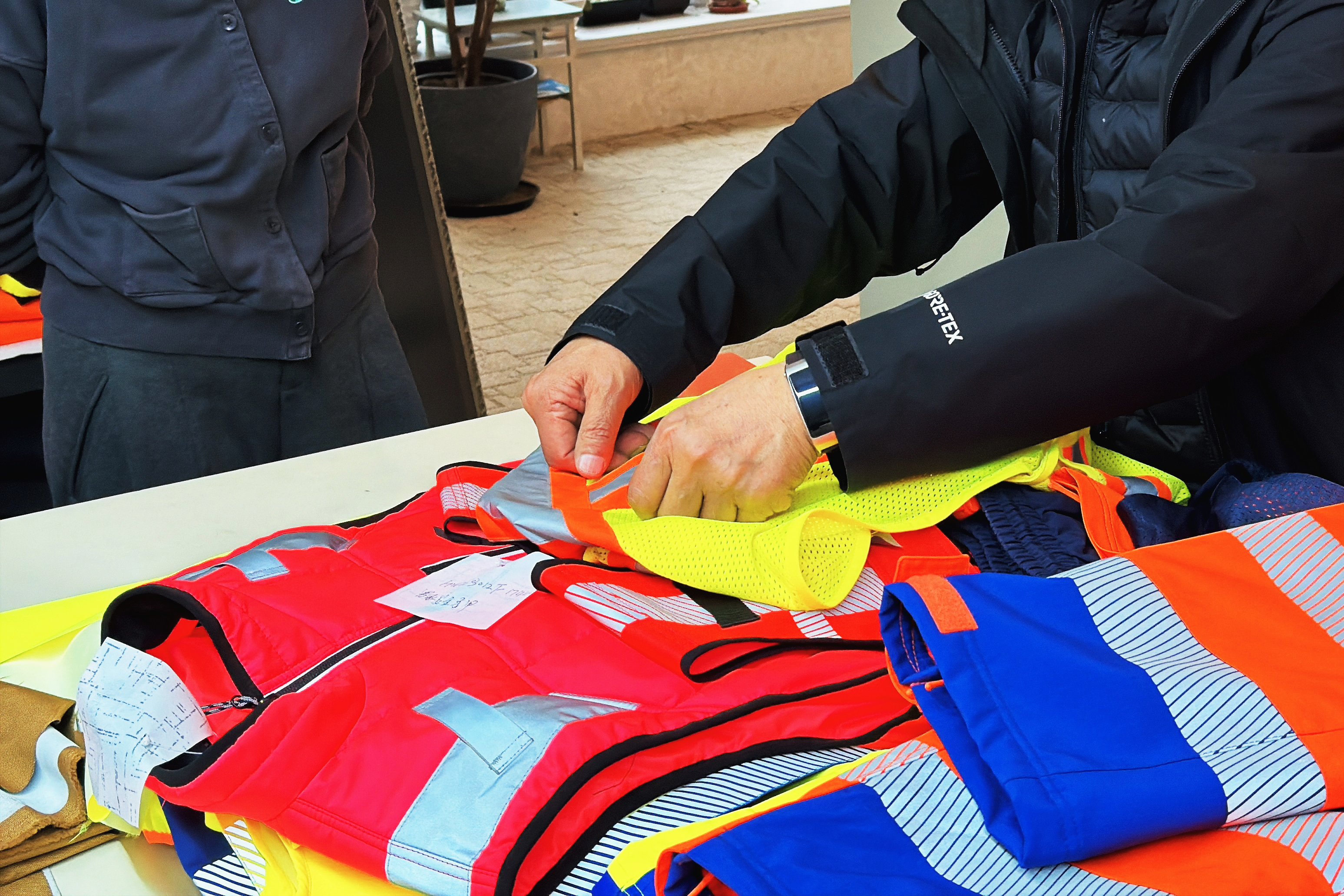
During the visit, he picked up a recently developed sample garment and began explaining the often-overlooked gap between design intent and production reality.
He pointed out that a single line drawn by a designer on paper may translate into multiple steps on the production floor. What appears simple in a sketch can involve complex adjustments when translated into actual manufacturing processes. Seams, cuts, and structural details must all be adapted to ensure that the garment can be produced efficiently while maintaining its intended appearance and function.
This perspective immediately resonated with the pattern makers and sample technicians present. As the discussion unfolded, they actively contributed their own insights—sharing experiences about pattern adjustments, construction techniques, and production challenges. The exchange became dynamic and collaborative, turning a one-way explanation into a multi-directional conversation.
Building on this, the factory director expanded the discussion to address how seasonal factors influence the design and production of safety garments.
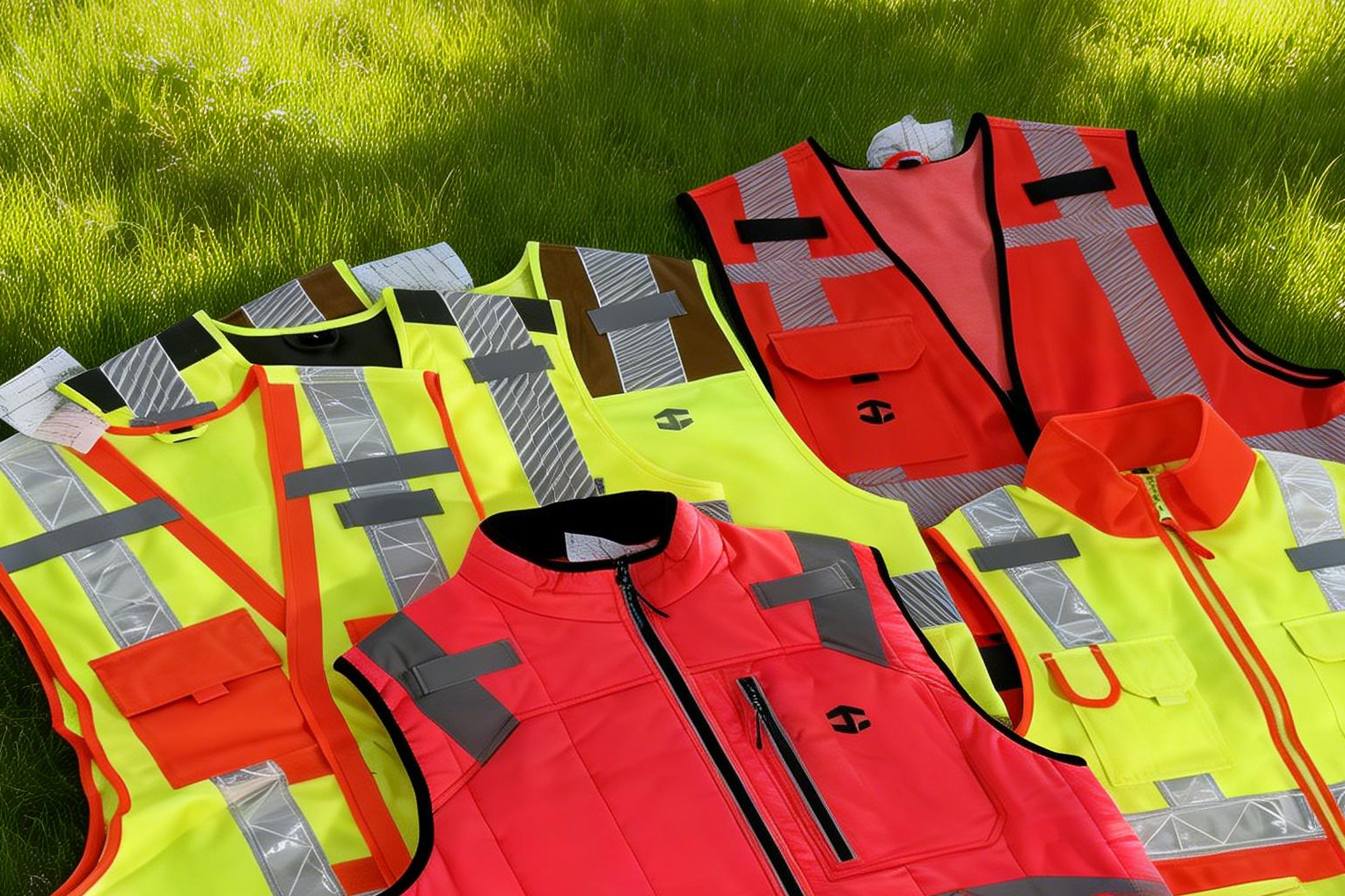
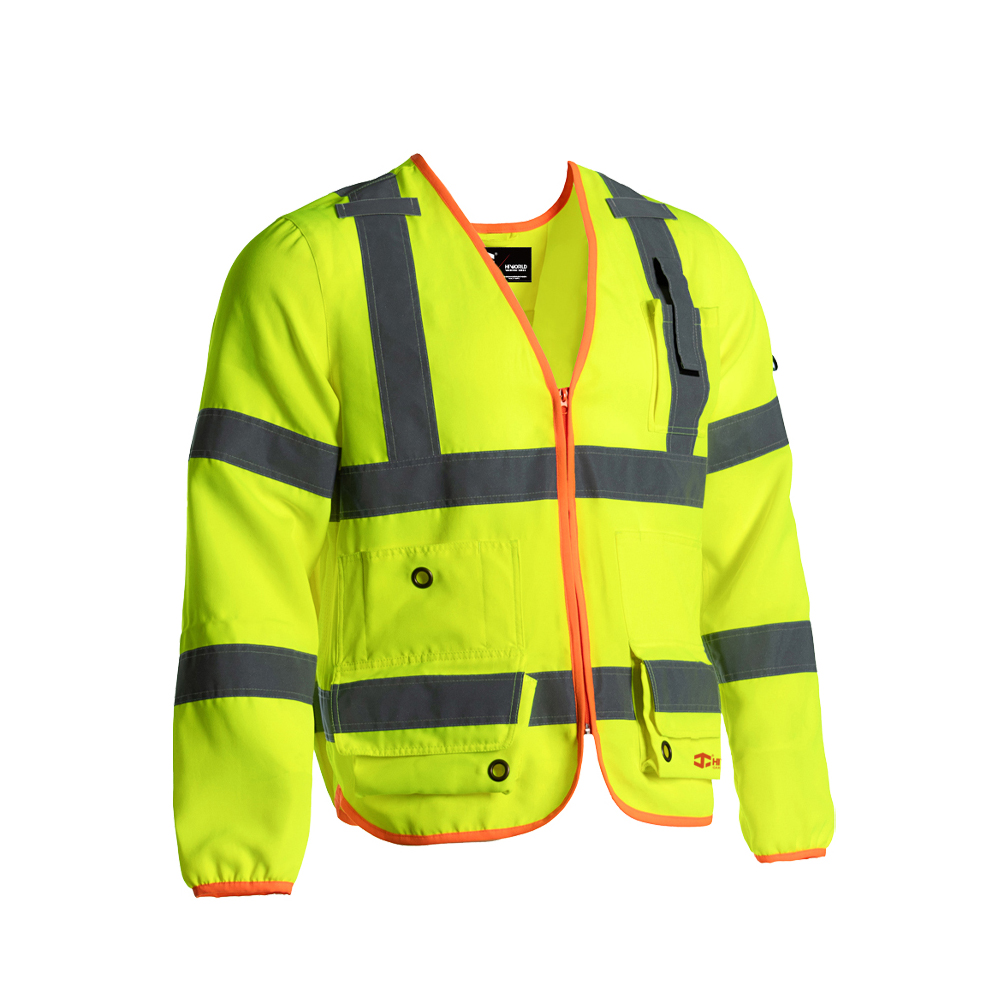
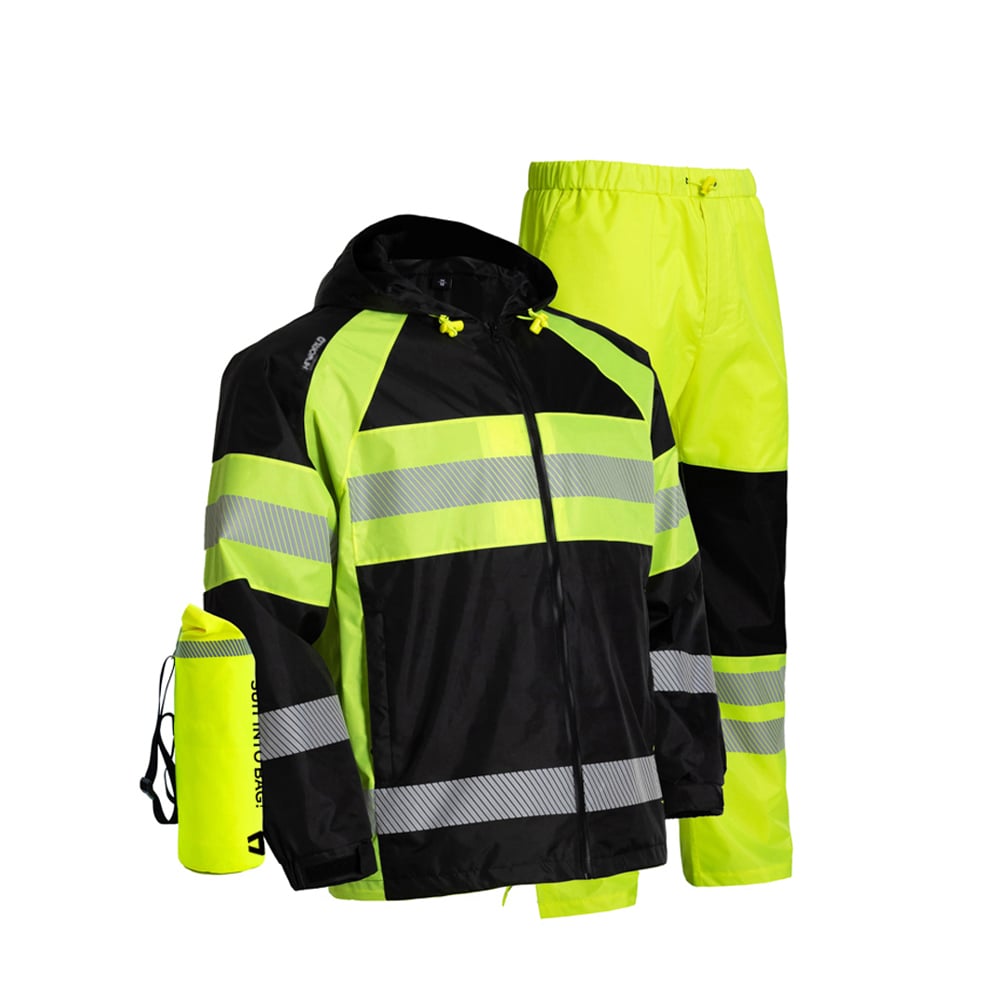
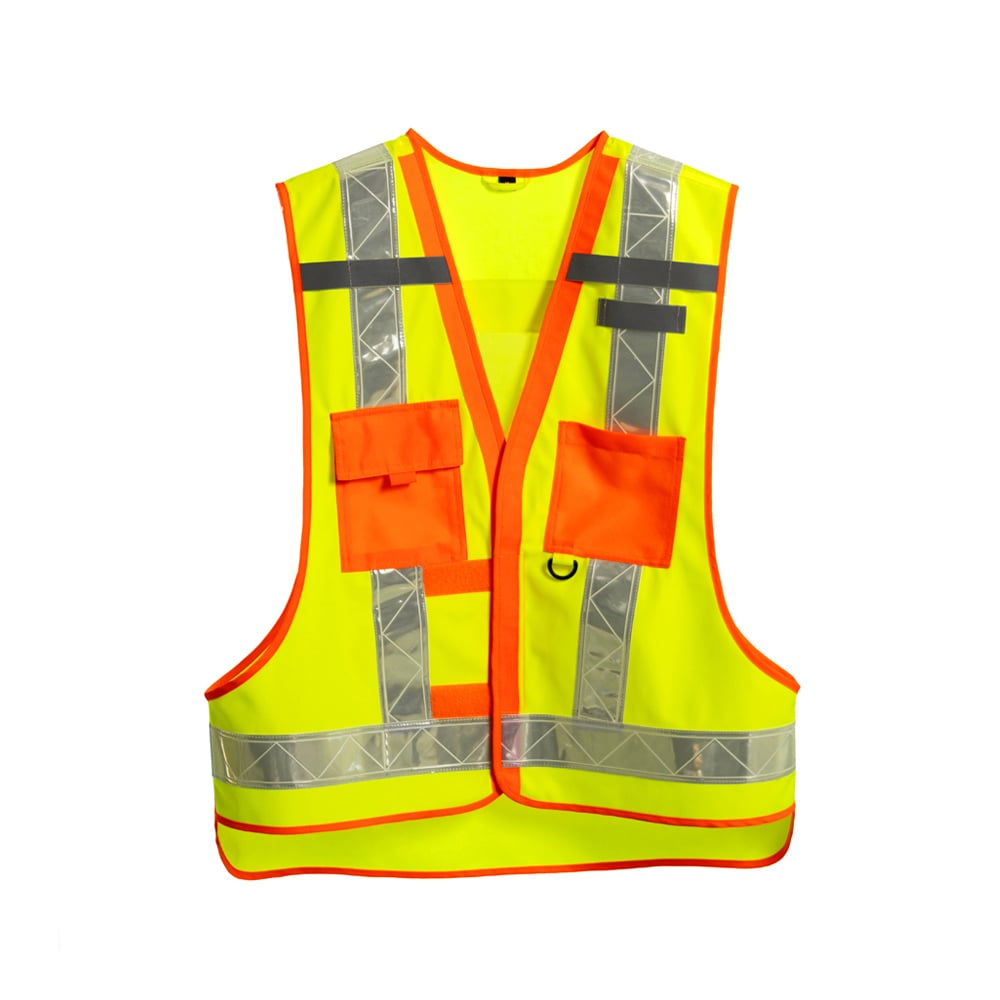
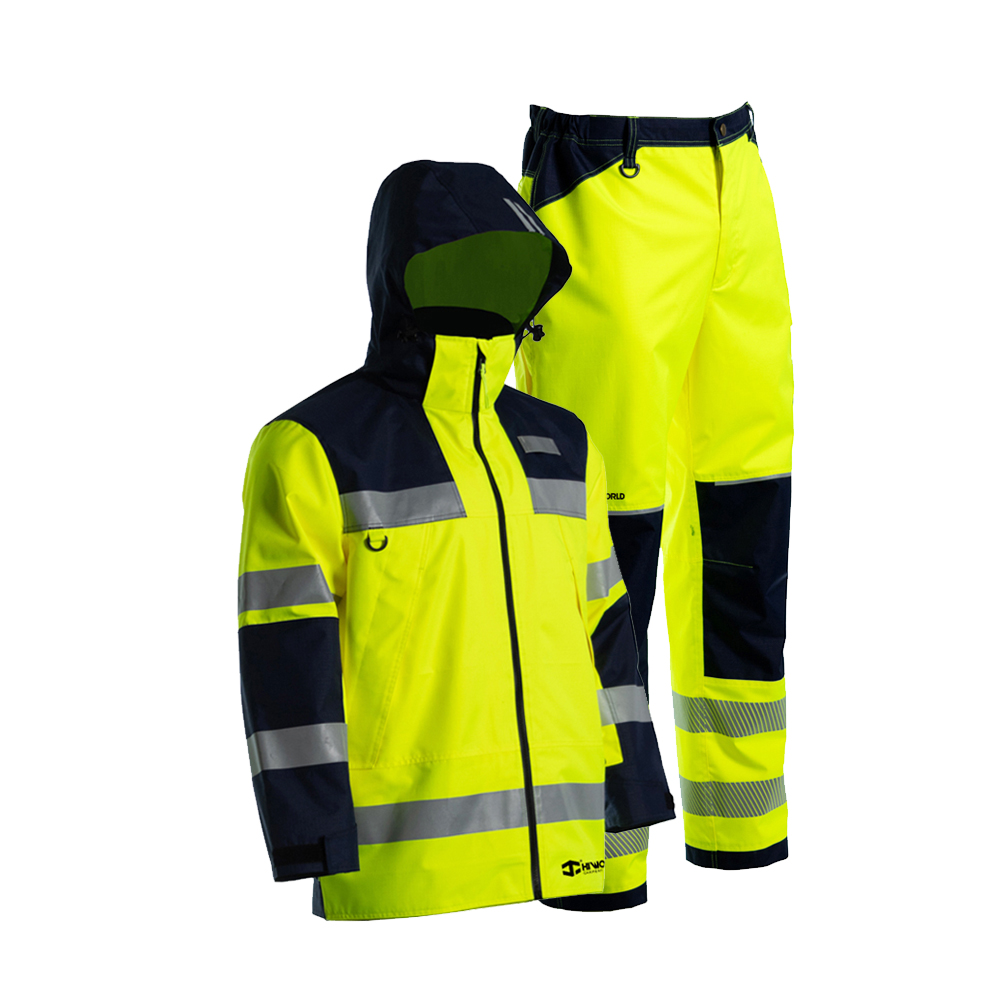
Using a high-visibility jacket as an example, he explained that summer workwear must prioritize breathability and lightweight construction. Fabric weight, ventilation design, and even the width and placement of reflective elements must be carefully calibrated to ensure comfort without compromising safety.
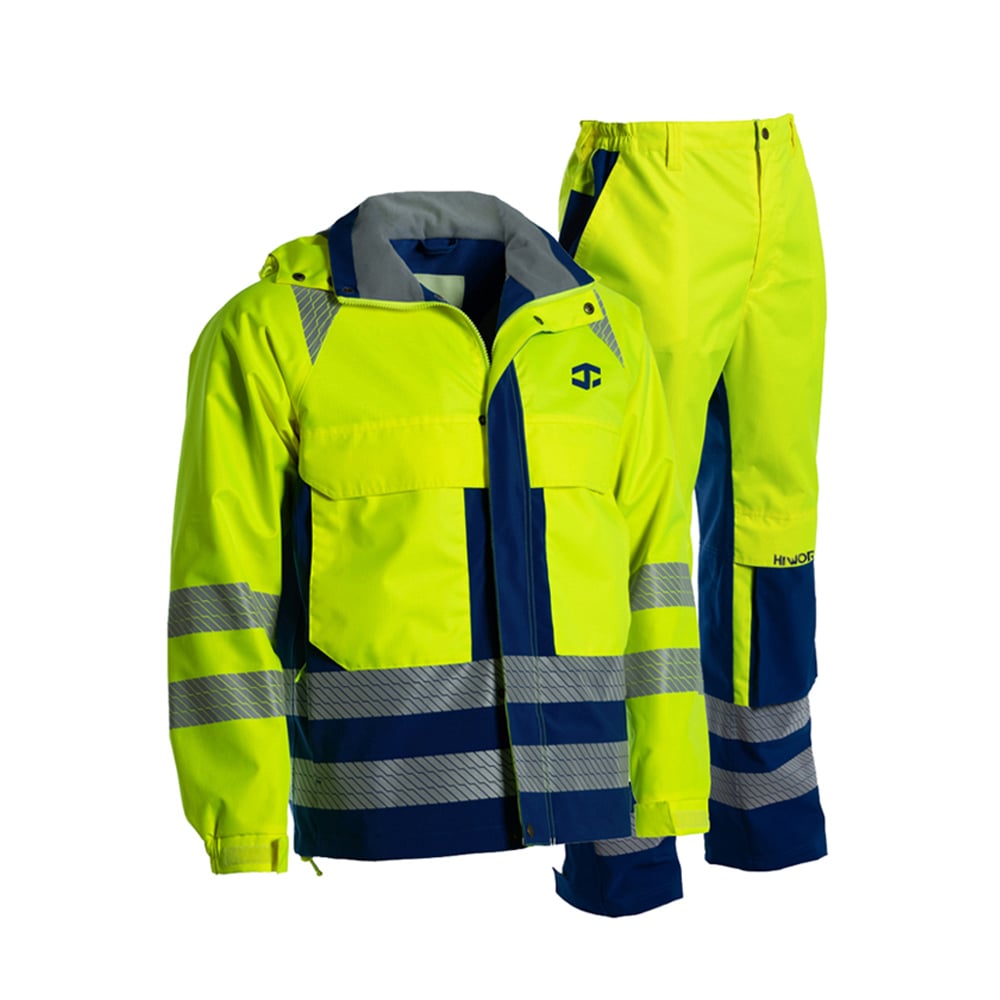
In contrast, winter safety garments present a different set of challenges. Insulation must be added without restricting movement, and garment sizing must allow for layering while maintaining proper fit. Lining structures, material combinations, and pattern allowances all play a critical role in achieving the right balance.
“Garment design is not just about how something looks,” he noted. “It’s about how it performs when people actually wear it—especially in demanding working conditions.”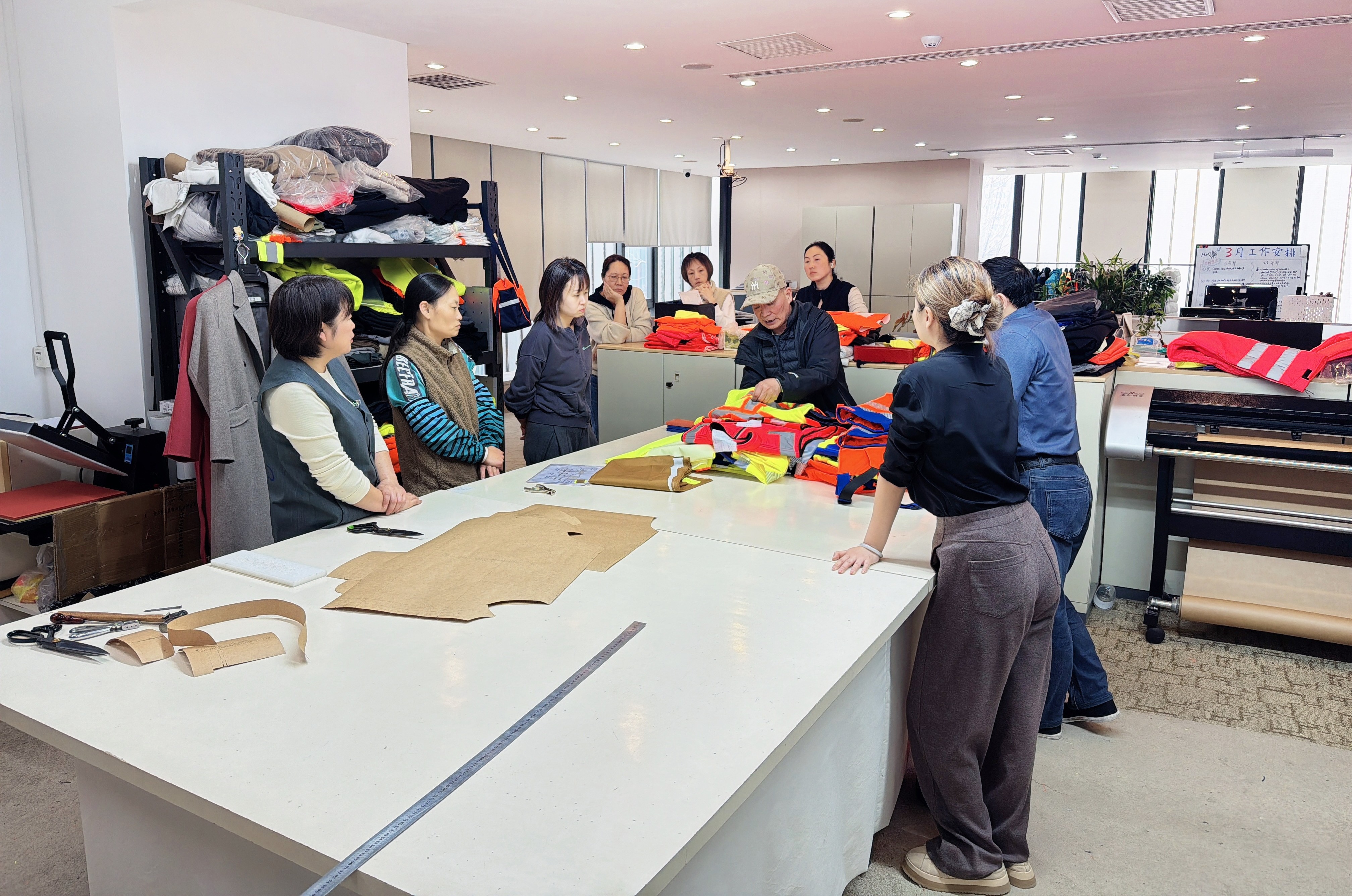
As the discussion continued, more employees began to gather outside the sample room. What started as a small technical conversation gradually attracted colleagues from sales, sourcing, and design teams. Some had initially passed by on unrelated tasks, but upon hearing the discussion, chose to stay and listen.
The atmosphere was notably different from a typical meeting. There were no formal presentations or slides—just practical knowledge being shared in real time. Participants listened attentively, occasionally asking questions, and engaging directly with the subject matter.
One employee later remarked, “It was more engaging than most formal meetings—everyone was genuinely focused.”
The session lasted nearly an hour, but its impact extended well beyond that time. After it ended, many participants continued discussing what they had learned, reflecting on how the insights could be applied to their own roles.
For some, the biggest takeaway was gaining a clearer understanding of the entire production chain. “Before, I only understood my part of the process,” one colleague shared. “Now I can see how everything connects—from design to production to final delivery.”
For others, the value was more practical. Employees involved in international trade noted that having a deeper understanding of manufacturing processes would allow them to communicate more confidently with clients—particularly when explaining product details, feasibility, and timelines.
This kind of cross-functional understanding is increasingly important in a global business environment. It not only improves internal efficiency, but also enhances the company’s ability to deliver reliable and transparent service to customers.
More importantly, this impromptu session reflects a broader aspect of the company's culture: a strong emphasis on knowledge sharing, collaboration, and continuous learning.
Rather than operating in isolated functions, the company actively encourages interaction between design, production, and business teams. By creating opportunities for direct communication and experience exchange, it strengthens alignment across the organization and ensures that decisions are grounded in practical reality.
Looking ahead, the company plans to continue fostering similar opportunities for learning and collaboration. Whether through structured training or spontaneous discussions like this one, the goal remains the same: to build a team that not only understands its individual roles, but also the bigger picture.
In an industry where execution matters as much as creativity, bridging the gap between design and production is essential. And sometimes, all it takes is one conversation—led by experience—to bring that connection to life.

 EN
EN