
 EN
EN

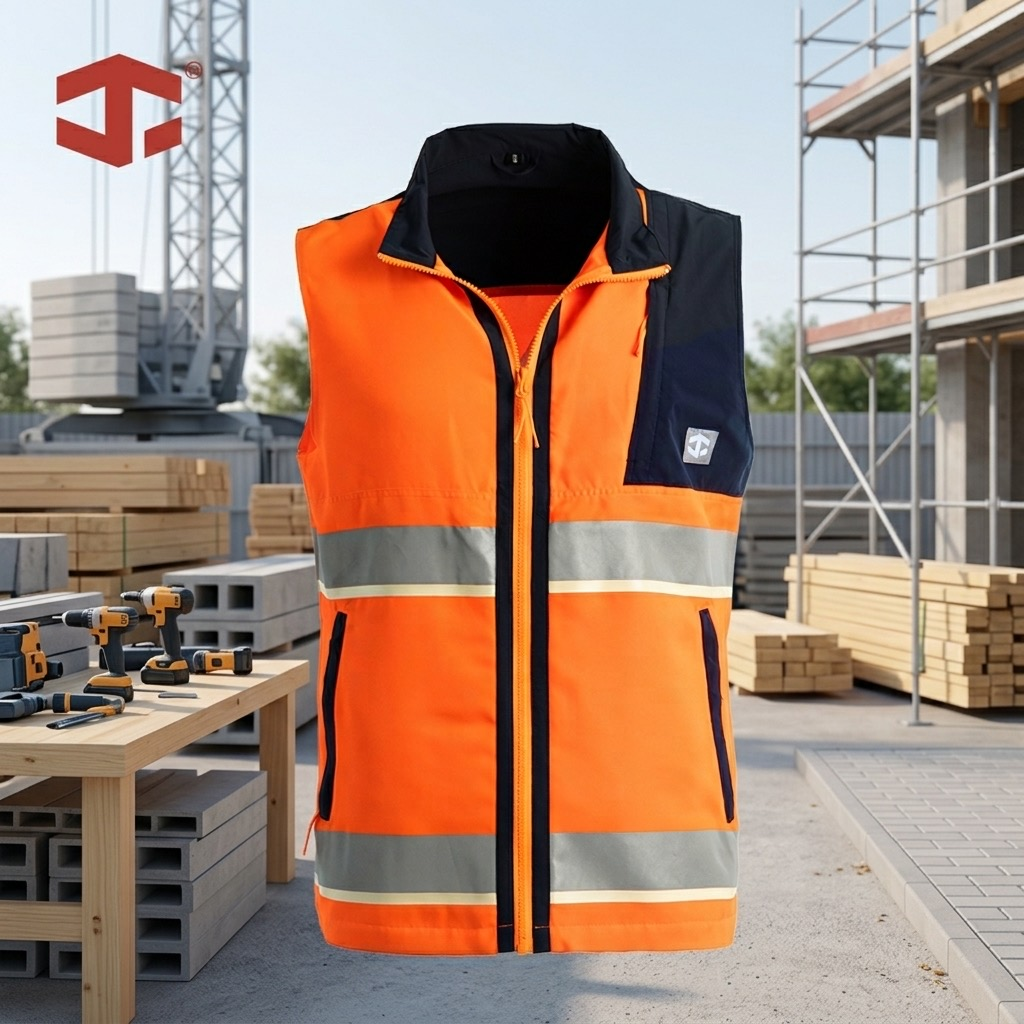
Nemluvný strážce: Jak výrazně viditelné pracovní oblečení snižuje počet nehod v logistice
Ve vysokorychlostním světě moderní logistiky a skladování může jediná vteřina nepozornosti vést k nehodám s trvalými následky pro zdraví a bezpečnost. Skladové podlahy jsou z povahy věci vysoce rizikovými prostředími, kde se v omezených prostorách pohybují těžké stroje, automatické vedené vozíky (AGV) a neustále jezdí vozíky se zdvihacími vidlicemi. Spoléhání pouze na základní bezpečnostní školení je prostě nedostatečné pro složitosti dnešních provozů v řetězci dodavatelů. Pracovní oblečení s vysokou viditelností (Hi-Vis) funguje jako kritická pasivní bezpečnostní bariéra, která zajišťuje, že každý pracovník na podlaze je okamžitě rozpoznatelný, i v nejchaotičtějších prostředích. Když jsou pracovníci jasně viditelní, výrazně se zkracují reakční doby operátorů strojů a tím efektivně napravují nebezpečnou mezeru mezi přítomností lidí a pohybující se průmyslovou technikou.
Strategický kontrast: fluorescenční žlutá vs. oranžová
Volba mezi fluorescenční žlutou a fluorescenční oranžovou barvou je mnohem více než jen záležitost firemní preference nebo estetického stylu; jedná se o taktické bezpečnostní rozhodnutí, které musí skladoví manažeři zvážit s velkou přesností. Fluorescenční žlutá, často technicky označovaná jako limetkově žlutá, nabízí výjimečný kontrast proti složitým městským a umělým pozadím. Vyniká výrazně proti standardním šedým regálům, chladně zbarveným betonovým podlahám a tlumenému, nepravidelnému osvětlení, které je běžné v rozsáhlých uzavřených skladových prostorách. Na druhé straně fluorescenční oranžová poskytuje výjimečný kontrast proti barevným paletám přirozené krajiny a často se upřednostňuje pro venkovní nakládací nádvoří, staveniště nebo oblasti, kde mohou pracovníci být vystaveni porostu nebo kovovým konstrukčním prostředím. Porozumění těmto environmentálním faktorům umožňuje bezpečnostním specialistům optimalizovat viditelnost zaměstnanců v závislosti na konkrétním odvětví a jedinečné dispozici jejich zařízení.
Rozluštění globálních norem pro průmyslovou excelenci
Pro manažery nakupující v rámci Spojeného království, EU a Spojených arabských emirátů je dodržování norem, jako je EN ISO 20471, nepodmíněnou nutností. Tato norma jde daleko za výběr správné barvy; stanovuje přesné požadavky na plochu fluoreskujících materiálů a strategické umístění retroreflexních pásek, aby byla zajištěna viditelnost ve všech směrech (360°). Třída oděvu určuje úroveň ochrany, kterou poskytuje, a průmyslové vybavení musí být navrženo tak, aby tyto výkonné vlastnosti zachovalo i po opakovaných, náročných průmyslových praních. Výkonné vybavení se od levnějších, jednorázových alternativ odlišuje tím, že si i po měsících intenzivního každodenního používání zachovává fluoreskující jas i reflexní schopnost. Právě tato odolnost zajišťuje dlouhodobou bezpečnost týmů, nikoli pouze bezpečnost v den dodání. Dodržování norem není statický úkol, ale trvalý závazek vůči bezpečnosti pracovní síly.
Adaptivní bezpečnost pro dynamické skladové prostředí
Bezpečnostní požadavky v moderním skladu se mění v závislosti na konkrétní funkci dané oblasti. Pro zaměstnance pracující v průjezdních uličkách pro vozíky je nezbytné nosit oděvy vyšší třídy, které zajišťují maximální rozpoznatelnost siluety z velké vzdálenosti. Nejlepší dostupné vybavení přesahuje základní normy a využívá ergonomický design, aby se zajistilo, že reflexní proužky neodpadávají při náročném pohybu a že látka zůstává dýchací, ale zároveň odolná proti dennímu opotřebení. Správné vrstvení oděvů – například kombinace vysoce viditelných, počasí odolných bund pro chladírenské provozy – zajišťuje, že bezpečnost zůstává stálá bez ohledu na klimatické podmínky či konkrétní úkol, který je právě vykonáván. Pokud je ochranný oděv fyzicky pohodlný, odborníci ho mnohem raději nosí pravidelně, čímž se bezpečnostní oblečení stává přirozenou, nenápadnou součástí jejich každodenní rutiny místo povinnosti. 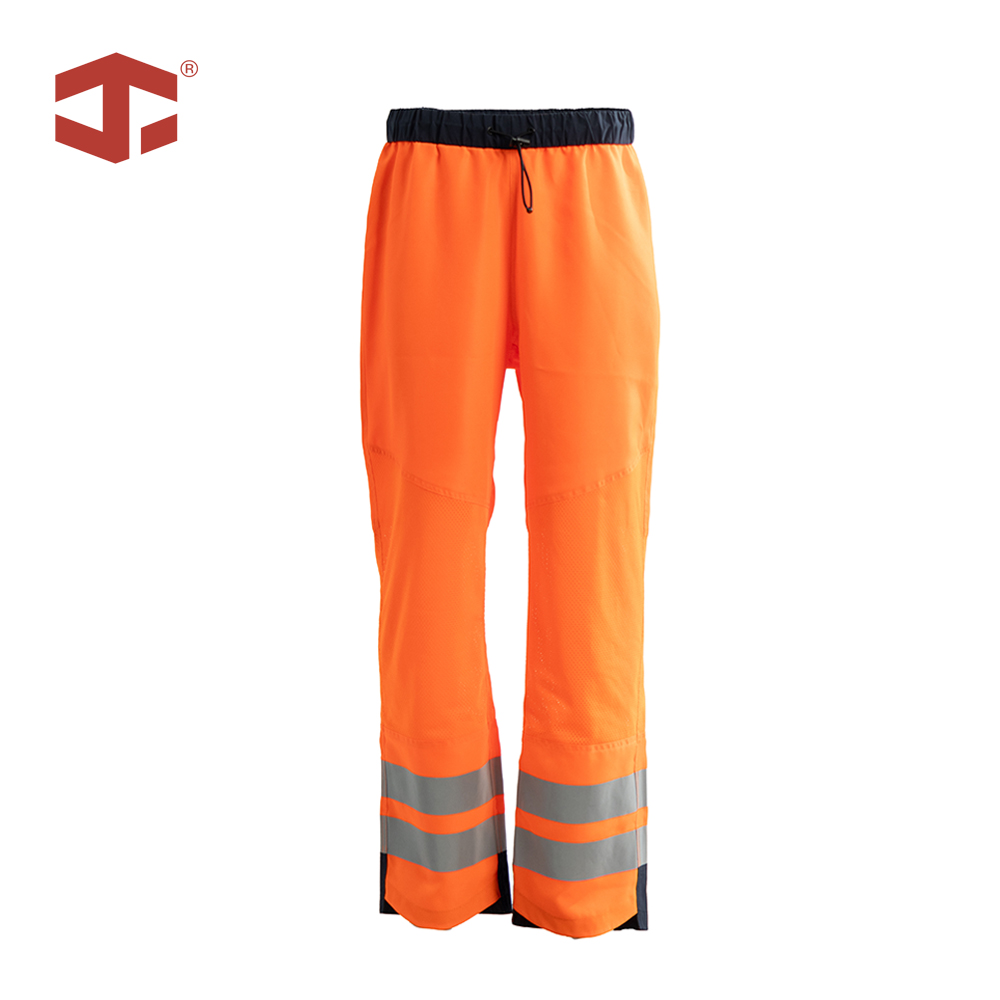
Inženýrské řešení zajišťující konstrukční spolehlivost
Účinné ochranné vybavení je výsledkem důkladného inženýrského návrhu, nikoli pouhé hromadné výroby. Společnost Hiworld klade důraz na technickou přesnost – od přesné kalibrace CNC řezání po použití reflexních materiálů s vysokým modulem pružnosti a odolných vůči praní. Tyto výrobní rozhodnutí zajišťují, že oděvy spolehlivě fungují za nejnáročnějších podmínek. Díky poskytování podrobné transparentnosti dodavatelského řetězce a technické podpory pomáhá společnost Hiworld organizacím optimalizovat cykly nákupu osobních ochranných prostředků. Každý oděv, který společnost Hiworld nasazuje, je navržen tak, aby nejen splňoval přísné mezinárodní normy, ale také maximalizoval návratnost investice díky výjimečné životnosti materiálů a konstrukční pevnosti. Vysoce kvalitní výroba je neviditelný detail, který odděluje běžné splnění požadavků od skutečného průmyslového výkonu. Přesnost při sestavování zajišťuje, že švy a spoje reflexních prvků nezawhou při nejvyšších nárocích.
Vytváření kultury proaktivní bezpečnosti
Investice do vysoce kvalitní pracovní oděvní soupravy profesionální úrovně je základním krokem při budování aktivní bezpečnostní kultury v jakékoli logistické operaci. Tím se zaměstnancům jasně a konzistentně sděluje, že jejich životy a trvalé zdraví jsou nejvyšší prioritou organizace. Využitím odborných poznatků o barevném kontrastu, souladu s předpisy a vysokovýkonné materiálové vědě mohou průmysloví lídři přeměnit své skladové prostory na bezpečnější a efektivnější prostředí. Výběr partnerů, jako je Hiworld, kteří kladou důraz na strukturální integritu a dlouhodobý provozní výkon, zajišťuje, že ochranné prostředky zůstávají stejně odolné a spolehlivé jako profesionálové, kteří je nosí. Budování bezpečnější budoucnosti vyžaduje závazek kvalitě, který sahá od prvního stehu až po koneční dodání na skladové podlaze. Zaměřením se na skutečnou strukturu osobních ochranných prostředků (PPE) mohou organizace významně snížit počet nehod a zlepšit provozní kontinuitu.
Obsah
- Nemluvný strážce: Jak výrazně viditelné pracovní oblečení snižuje počet nehod v logistice
- Strategický kontrast: fluorescenční žlutá vs. oranžová
- Rozluštění globálních norem pro průmyslovou excelenci
- Adaptivní bezpečnost pro dynamické skladové prostředí
- Inženýrské řešení zajišťující konstrukční spolehlivost
- Vytváření kultury proaktivní bezpečnosti