
 EN
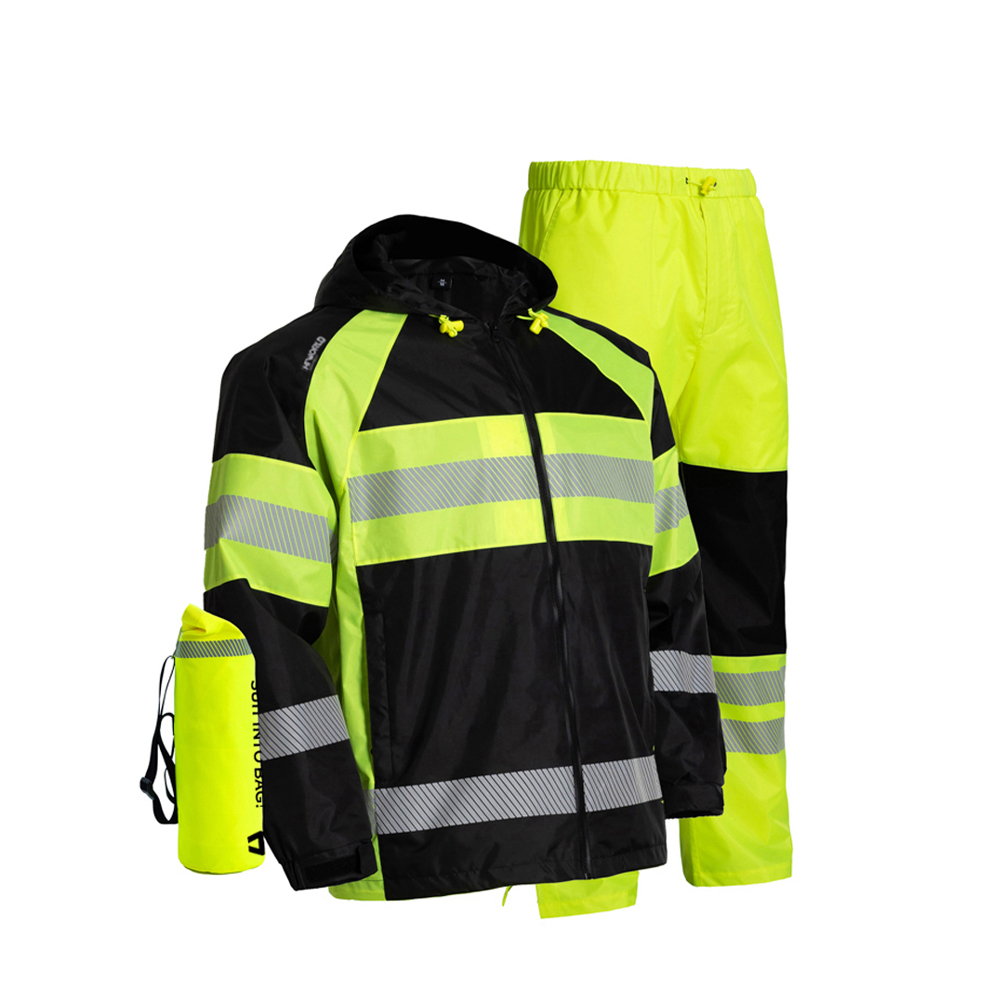
Selecting functional outerwear for outdoor industrial sites, construction projects, or logistics operations requires a clear understanding of fabric performance under severe weather conditions. Procurement officers frequently encounter the terms waterproof vs water-resistant when specifying foul weather garments. While these phrases sound similar in consumer marketing, professional protective clothing must conform to rigorous laboratory testing standards to ensure worker safety, comfort, and compliance.
The primary European benchmark regulating weather-protective workwear is the EN 343 protective clothing standard. This specification establishes exact laboratory thresholds for water penetration resistance and water vapor resistance (breathability).
This technical guide clarifies the practical distinction between waterproof vs water-resistant textiles, breaks down the updated EN 343 rating system, reviews hydrostatic head testing protocols, and outlines critical waterproof workwear specifications for B2B procurement managers.
Defining the Core Technical Difference: Waterproof vs Water-Resistant
To build an effective PPE procurement strategy, buyers must distinguish between surface water repellency and total hydrostatic impermeability.
Water-Resistant Fabrics
-
Mechanism: Water-resistant garments rely primarily on surface treatments, such as Durable Water Repellent (DWR) coatings, or tightly woven synthetic fibers (like high-density polyester or nylon).
-
Performance Limits: Water-resistant textiles repel light drizzle or short exposure to moisture. However, under sustained rain, wind-driven pressure, or physical kneeling/leaning forces, water eventually forces its way through the fabric pores or non-sealed needle holes at sewn seams.
Waterproof Fabrics
-
Mechanism: Truly waterproof garments combine a solid waterproof membrane or microporous coating (such as polyurethane or PTFE) with fully taped or heat-sealed seams.
-
Performance Limits: A waterproof garment prevents liquid water penetration even under high hydrostatic pressure, such as heavy downpours, high-pressure washing environments, or prolonged contact with wet surfaces.
Understanding the baseline of waterproof vs water-resistant performance prevents costly purchasing errors where workers are exposed to severe weather without adequate protection.
The EN 343 Protective Clothing Standard Explained
The EN 343 protective clothing standard (specifically EN 343:2019) is the international benchmark used to certify garments intended to protect against rain, mist, snow, and ground humidity. Unlike basic consumer raincoats, garments certified under the EN 343 rating system undergo standardized laboratory testing for both water entry pressure and internal moisture evacuation.
Under EN 343:2019, garments receive a two-part numerical rating expressed as EN 343 Class X : Class Y (often written with an optional Class Z for readymade garment rain tower tests):
-
Class X (Water Penetration Resistance - WP): Measures the fabric's ability to withstand external water pressure.
-
Class Y (Water Vapor Resistance - Ret): Measures breathability and the garment's ability to transport sweat away from the user's body.
Deep Dive into the EN 343 Rating System Classes
The updated EN 343:2019 standard classifies garments into four distinct performance tiers for both waterproofness and breathability:
Water Penetration Resistance (Class X)
-
Class 1: WP >= 8,000 Pa (Before pre-treatment). Provides basic rain resistance for brief exposure.
-
Class 2: WP >= 8,000 Pa (After hydrostatic pre-treatment including washing, abrasion, and flexing). Suitable for moderate rain conditions.
-
Class 3: WP >= 13,000 Pa (After pre-treatment). Designed for heavy rainfall and demanding work environments.
-
Class 4: WP >= 20,000 Pa (After pre-treatment). Represents top-tier protection for extreme downpours and high-pressure contact work.
Water Vapor Resistance / Breathability (Class Y - Ret Value)
-
Class 1: Ret > 40 m2.Pa/W (Low breathability; limits continuous working time).
-
Class 2: 25 < Ret <= 40 m2.Pa/W (Moderate breathability).
-
Class 3: 15 < Ret <= 25 m2.Pa/W (Good breathability for active physical labor).
-
Class 4: Ret <= 15 m2.Pa/W (Maximum breathability; minimizes internal sweat accumulation).
When writing waterproof workwear specifications, specifying Class 4/4 certified garments ensures maximum weather protection alongside optimal worker comfort during strenuous physical tasks.
Hydrostatic Head Test Protocols and Seam Integrity
Evaluating the EN 343 rating system requires analyzing two critical structural elements: hydrostatic pressure testing and seam sealing technology.
Hydrostatic Head Testing Method (ISO 811)
In hydrostatic head testing, a column of water is applied to a 100 cm2 area of the fabric at a constant rate of pressure increase until three drops penetrate the material:
-
A 10,000 mm Hydrostatic Head rating means the fabric withstands a 10-meter column of water pressure before leaking.
-
High-performance garments certified under the EN 343 protective clothing standard typically achieve 15,000 mm to 20,000 mm hydrostatic head values after repeated wash cycles and mechanical abrasion tests.
Seam Taping and Waterproof Construction
A common point of failure in low-quality rainwear is the sewn seam. Every needle puncture creates a pathway for water ingress. High-grade waterproof workwear specifications mandate:
-
Hot-Melt PU Seam Tape: Heat-sealed polyurethane tape applied over every internal stitch line.
-
Ultrasonic Welding: Eliminating stitch holes altogether by fusing synthetic fabric panels together under high-frequency sound waves.
-
Storm Flaps and Sealed Zippers: Double-layer storm plackets and waterproof TPU-coated zippers over chest openings and pockets.
Without fully sealed seams, even a high-hydrostatic-head fabric will function only as a water-resistant garment rather than a waterproof one.
Comparative Matrix: Application Scenarios vs. Performance Classes
Matching work environment demands to the correct EN 343 rating system tier ensures regulatory compliance and crew efficiency:
-
Scenario: Light Gardening / Short Inspection Trips
-
Performance Level: Water-Resistant / EN 343 Class 1
-
Hydrostatic Rating: 2,000 mm - 5,000 mm
-
Recommended Feature Set: DWR finish, lightweight shell, unsealed seams acceptable for short durations.
-
-
Scenario: Municipal Roadwork / Logistics Yards
-
Performance Level: Waterproof / EN 343 Class 3/3
-
Hydrostatic Rating: 13,000 mm - 15,000 mm
-
Recommended Feature Set: Fully taped seams, durable 300D Oxford polyester, reflective tape compliance (EN ISO 20471).
-
-
Scenario: Offshore Oil Platforms / Heavy Construction / Mining
-
Performance Level: Waterproof High-Performance / EN 343 Class 4/4
-
Hydrostatic Rating: 20,000 mm+
-
Recommended Feature Set: Premium breathable membrane, reinforced knees/elbows, flame-resistant or antistatic treatment if required.
-
Re-evaluating waterproof vs water-resistant requirements across different operational roles allows safety managers to optimize PPE budgets without sacrificing protection.
Quality Control and Laboratory Validation at Hiworld
At Hiworld, manufacturing weather-protective garments requires strict adherence to international safety standards. All protective outerwear undergoes continuous laboratory testing:
-
Hydrostatic Pressure Testing (ISO 811): Verifying fabric impermeability both before and after simulated 25-cycle industrial laundering.
-
Evaporative Resistance Testing (ISO 11092): Measuring sweat transpiration rates (Ret values) on sweating guarded-hotplate apparatus to certify Class 4 breathability.
-
Seam Peeling Strength Audits: Testing the adhesion strength of hot-melt seam sealing tapes under extreme cold (-20 degrees C) and heat conditions.
-
Rain Tower Testing (EN 14360): Exposing full garment prototypes to simulated heavy rainfall conditions on articulated mannequins to verify storm flap and cuff seals.
Reviewing these manufacturing controls guarantees that garments supplied by Hiworld's weather-protective workwear catalog satisfy strict regulatory demands.
Conclusion and Procurement Recommendations
Distinguishing between waterproof vs water-resistant properties is crucial for specifying professional protective clothing. By demanding certified compliance with the EN 343 protective clothing standard, procurement professionals can ensure their workforce remains dry, comfortable, and safe under severe weather conditions.
When drafting your next safety apparel requisition, ensure that your waterproof workwear specifications clearly define both hydrostatic head limits (Class X) and breathability targets (Class Y) under the latest EN 343 rating system.
To explore certified weather-protective workwear options or request custom technical datasheets, visit Hiworld's protective apparel lineup to find safety clothing tailored to your operational needs.
Table of Contents
- Defining the Core Technical Difference: Waterproof vs Water-Resistant
- The EN 343 Protective Clothing Standard Explained
- Deep Dive into the EN 343 Rating System Classes
- Hydrostatic Head Test Protocols and Seam Integrity
- Comparative Matrix: Application Scenarios vs. Performance Classes
- Quality Control and Laboratory Validation at Hiworld
- Conclusion and Procurement Recommendations