
 EN
EN
The Structural Reality Behind Waterproof Ratings
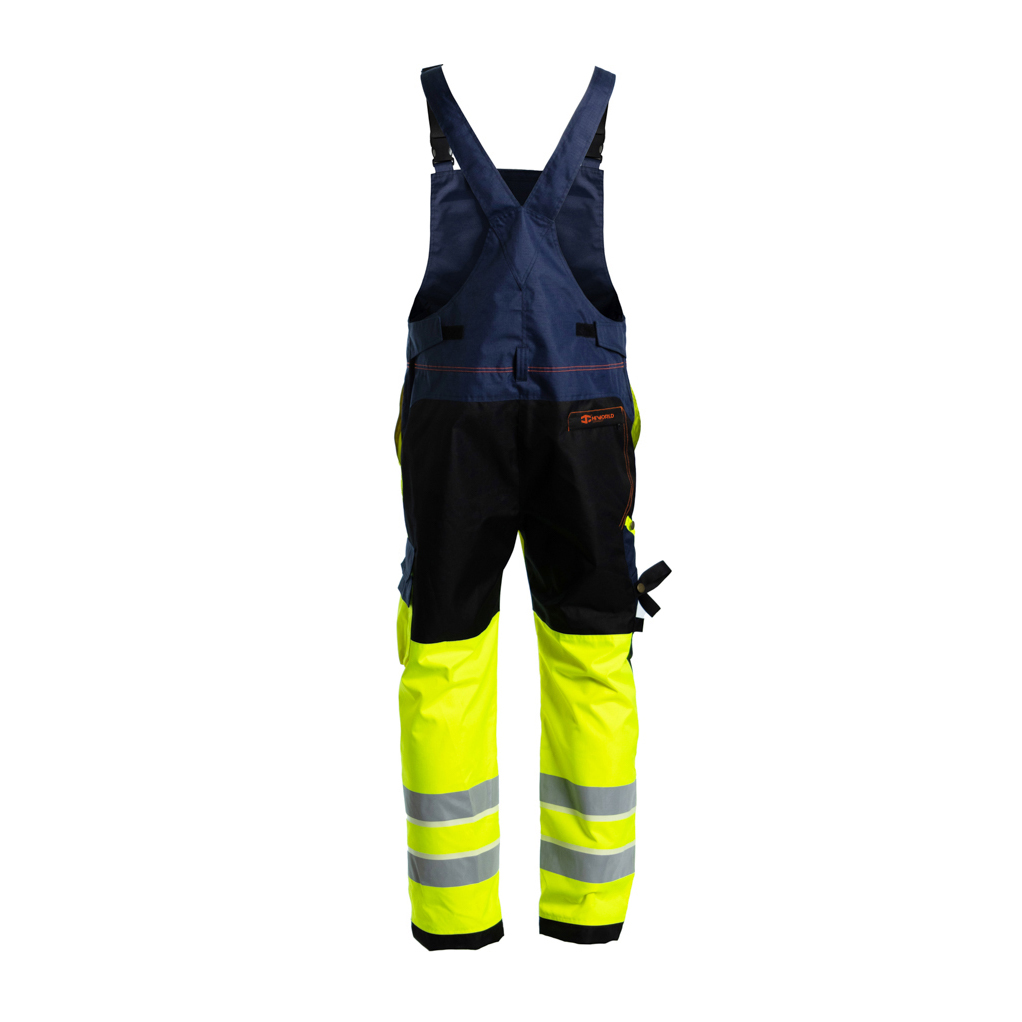
In the demanding work environments of the UK and Scandinavia, professional-grade waterproof gear is frequently judged solely by the hydrostatic head rating of its base fabric. However, focusing exclusively on fabric specifications is a common technical oversight. Extensive field audits of high-end protective garments reveal that even those utilizing the most advanced high-performance membranes can fail in real-world conditions due to structural vulnerabilities. Waterproof performance is not merely a material property; it is a complex mechanical feat of garment engineering. When the seams—the most frequent points of failure—are not engineered with the same rigor as the membrane itself, the entire protective barrier becomes compromised. Experienced site managers understand that the reliability of a garment is determined by its joinery. Relying on premium materials is the essential first step, but without high-level sealing, those materials cannot provide the promised shield against the relentless rain, freezing sleet, and gale-force winds common in Nordic winters or harsh British coastal storms.
Mastering Seam Sealing: Taping vs. Ultrasonic Welding
Meeting the stringent requirements of EN 343 necessitates far more than standard stitching. Every needle hole created during traditional manufacturing acts as a potential conduit for moisture ingress. To restore complete integrity, industrial applications now prioritize two distinct, highly effective methodologies: thermoplastic tape application and ultrasonic welding. Thermal tape sealing utilizes precision heat and pressure to bond a specialized waterproof strip over the interior seam, offering a flexible yet remarkably robust shield. Conversely, ultrasonic welding fuses fabric layers directly together using high-frequency vibrations, effectively eliminating the need for separate adhesive strips. For high-activity industrial workwear, a hybrid approach is often superior. Using welding for critical stress zones significantly reduces bulk and weight, while precision-taped seams on articulated joints ensure that user mobility remains high without sacrificing the absolute moisture barrier. This strategic combination ensures that gear remains both lightweight enough for daily wear and completely impenetrable during storms.
Navigating EN 343 in Harsh Climatic Conditions
For professionals operating in the North Sea oil and gas sectors or Scandinavian infrastructure projects, compliance with EN 343 is non-negotiable. This standard serves as the ultimate benchmark for water resistance and water vapor resistance, yet it is often misunderstood on the production floor. A common pitfall during mass construction is the excessive or improper use of sealing adhesives. Over-application can inadvertently create "breathability blocks," significantly raising the garment's resistance to evaporative heat loss, measured as the Ret value. Advanced construction focuses heavily on optimizing the delicate ratio of sealed surface area to breathable area. Through meticulous heat-press calibration and automated, high-precision seam-taping robotics, Hiworld ensures that garments maintain their EN 343 classification without sacrificing the thermal comfort required for long, grueling shifts in sub-arctic conditions. It is this precise balance of mechanical engineering that separates amateur-grade gear from true, industrial-grade protective equipment.
Durability and the Lifecycle of Performance
Waterproofing is a dynamic, not static, quality. In industrial settings, garments undergo thousands of cycles of intense mechanical stress, abrasion, and fluctuating temperatures. Analyses of post-field-use samples consistently confirm that the degradation of seam tape is the single most common reason for the premature retirement of essential PPE. By utilizing high-modulus, polyurethane-based tapes that mirror the specific stretch properties of the base fabric, it is possible to prevent the "peel-off" effect caused by constant physical movement. High-performance construction is not just about passing a one-time lab test; it is about ensuring that the seal survives the daily rigors of a two-year deployment in the most abrasive work environments. A garment that performs brilliantly on day one but fails on day sixty is a liability, not an asset. Durability must be baked into the construction from the very first stitch, prioritizing long-term field reliability over short-term cost savings.
Strategic Sourcing: Scaling Technical Precision
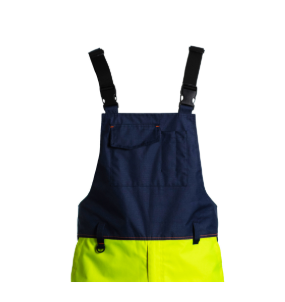
Achieving this level of technical fidelity at scale remains the ultimate challenge for the global supply chain. Maintaining consistent quality across a batch of thousands requires an unwavering commitment to operational precision. Hiworld centers its manufacturing philosophy on the total integration of automated CNC cutting and precision ultrasonic assembly, ensuring that every seam across every single garment produced is as reliable as the first. By standardizing these advanced construction techniques, Hiworld allows industrial enterprises to effectively bypass the quality inconsistencies often associated with rapid, low-end production. Whether for high-visibility heavy-duty coveralls or technical outer layers, the focus remains on the "invisible" details—the structural integrity that guarantees performance when the weather turns critical. Choosing a manufacturing partner like Hiworld means prioritizing long-term field performance, strict regulatory compliance, and the kind of high-level technical craftsmanship that keeps workers protected and comfortable in the world's most challenging climates. This commitment to engineering excellence transforms simple workwear into a reliable tool for professional success. Furthermore, Hiworld provides deep supply chain visibility and technical support that helps organizations optimize their PPE procurement cycles, ensuring that every unit deployed meets the highest safety standards while maximizing the return on investment through superior material longevity and structural integrity.
Future-Proofing Protective Gear
As the global landscape for workplace safety continues to evolve, the integration of smart manufacturing—specifically in the realms of seam integrity and material bonding—will remain the differentiator between standard compliance and market-leading performance. Organizations that invest in high-level construction today are not just meeting current EN 343 standards; they are insulating their workforce against the growing volatility of climate-driven hazards. By focusing on these technical foundations, industrial leaders can foster a culture of safety that extends far beyond the surface, protecting the most valuable asset in any operation: the individual professional on the front line.