
 EN
EN
Navigating High-Stakes Safety Realities in Rail and Utility Sectors
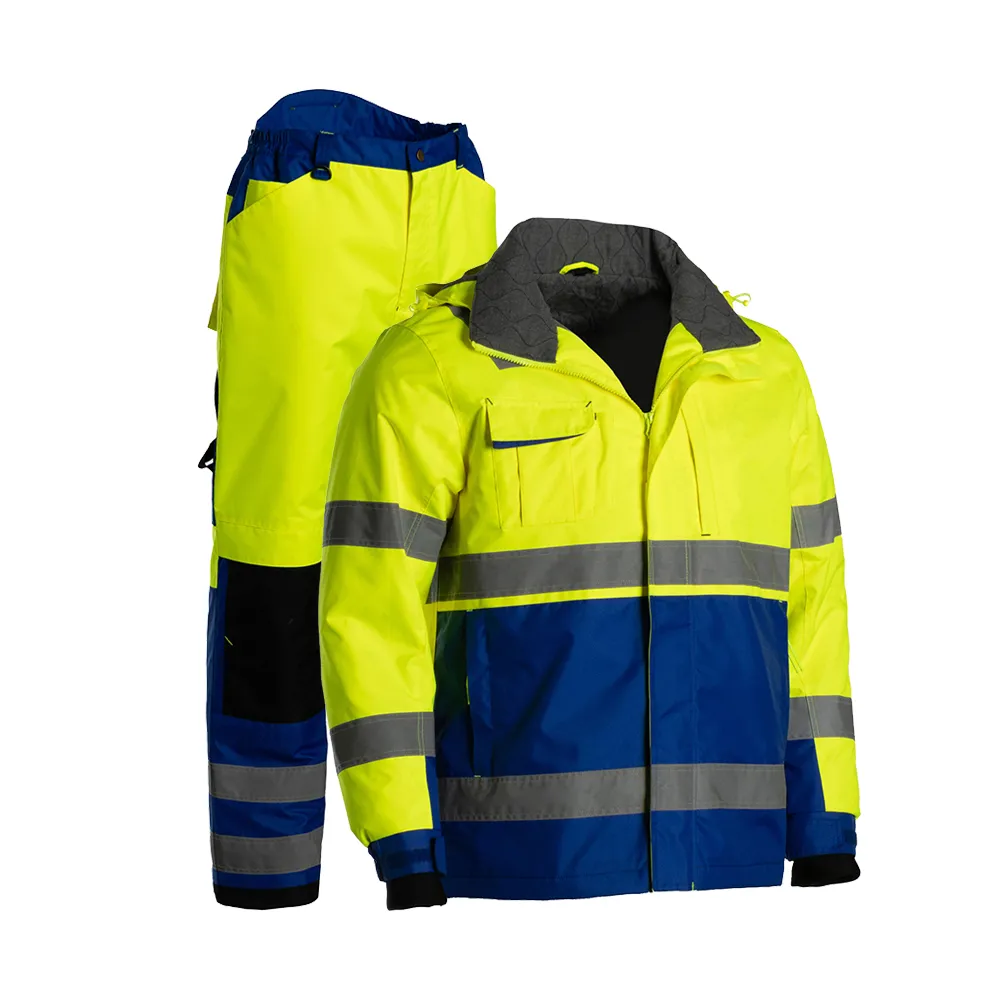
Sourcing protective high-visibility clothing for railway networks and utility grids throughout the United Kingdom and the European Union goes way beyond simply picking out bright neon jackets from a catalog. Anyone who has spent time managing field operations or talking with safety managers knows how punishing these industrial environments can be. From damp railway ballasts at dawn to high-voltage electrical substations under heavy rain, workers face real, everyday hazards that demand absolute reliability from their gear. Procurement professionals frequently trip up on complex compliance mazes where missing a single regulatory nuance brings heavy fines, unexpected project pauses, or worse, compromised worker safety. Building safety apparel that actually holds up out there requires combining strict statutory standards with practical, boots-on-the-ground engineering insights. Field technicians need clothes that fit comfortably during long shifts while maintaining peak visibility under all possible weather conditions, from blinding fog to heavy nighttime downpours. Furthermore, maintaining worker morale and physical well-being in hazardous outdoor environments starts with breathable, ergonomic garments that do not restrict movement or trap excessive heat during grueling summer maintenance cycles.
Unpacking EN ISO 20471 and RIS-3279-TOM Compliance Demands
Meeting baseline requirements is never enough when lives depend on roadside or trackside visibility. The European standard EN ISO 20471 sets the general rules for high-visibility warning clothing, sorting garments by fluorescent background fabric area and retroreflective tape coverage. But once you step onto UK rail infrastructure, the rules shift sharply into RIS-3279-TOM territory. This specific railway standard mandates exact orange chromaticity boundaries so workers stand out clearly against complex crushed stone ballasts, rusty steel tracks, and changing natural lighting. Achieving this isn't just about dyeing fabric orange; it requires advanced chemical formulations for fluorescent dyes and precise glass bead retroreflective tape placement that withstands months of mud, grease, industrial laundering, and intense ultraviolet exposure without losing its luminance or protective properties. Regulatory audits are unforgiving, and failing to meet these exact chromaticity coordinates can lead to immediate rejection of entire protective gear shipments, costing companies thousands of dollars in delays and administrative overhead while halting vital infrastructure upgrades.
Engineering Durable Fabrics for Extreme Weather and Tough Conditions
Field crews in utility maintenance and rail engineering rarely get to work indoors when the weather turns foul. That means high-vis gear has to pull double duty as rugged workwear and high-performance weather protection. Modern garment engineering relies on advanced textile blends, combining high-tensile-strength polyester and comfortable cotton substrates that resist tearing while allowing skin to breathe properly. When workers are climbing transmission pylons or shifting heavy cables in confined spaces, stiff, heavy coats cause rapid physical fatigue and heat stress. Integrating micro-perforated retroreflective tape lets trapped body heat and moisture escape without sacrificing nighttime retroreflectivity or structural integrity. On top of that, multi-norm utility workwear demands built-in protection against electric arc flashes, electrostatic discharge, and open flames, weaving safety straight into the molecular structure of the fabric rather than treating it like a temporary surface spray that washes away after a few industrial washing cycles. Selecting the right combination of flame-retardant fibers and mechanical strength ensures garments survive the harshest job sites.
Streamlining Supply Chains and Managing Bulk Inventory Orders
Scaling up safety apparel programs across thousands of field technicians introduces massive logistical puzzles for corporate procurement teams. Maintaining uniform quality across massive bulk orders requires airtight supply chain transparency and rigorous factory-level quality controls. A single flawed batch of fabric can derail an entire regional safety audit and put field personnel at risk. Reliable sourcing means demanding independent third-party laboratory test reports, verifying batch-to-batch color consistency, and ensuring full traceability from raw yarn spinning down to the final garment assembly and packaging. Establishing a dependable procurement pipeline guarantees that every single carton arriving at a regional distribution center carries verified CE and UKCA markings, cutting through administrative friction and protecting companies from counterfeit liability risks. Working with stable manufacturing partners helps businesses avoid sudden supply shortages during peak seasonal maintenance windows, ensuring that replacement gear is always ready when maintenance crews need it most.
Partnering with Industry Leaders for Seamless Infrastructure Safety
Balancing aggressive project timelines with stringent international safety mandates requires working with manufacturing partners who truly understand the complex realities of modern industrial operations. Through state-of-the-art production facilities, strict quality assurance protocols, and fully integrated vertical supply chains, Hiworld delivers robust manufacturing and supply solutions tailored specifically to the demanding requirements of UK and European utility and railway operators. By combining deep technical expertise with flexible customization capabilities, Hiworld enables industrial enterprises to equip their entire workforce with reliable, fully certified high-visibility workwear designed for ultimate protection, everyday comfort, and long-lasting operational value. Ensuring worker safety while optimizing procurement budgets ultimately comes down to choosing manufacturing partners capable of delivering uncompromising quality at scale, supporting long-term brand reputation and operational excellence across every major infrastructure project.
Table of Contents
- Navigating High-Stakes Safety Realities in Rail and Utility Sectors
- Unpacking EN ISO 20471 and RIS-3279-TOM Compliance Demands
- Engineering Durable Fabrics for Extreme Weather and Tough Conditions
- Streamlining Supply Chains and Managing Bulk Inventory Orders
- Partnering with Industry Leaders for Seamless Infrastructure Safety