
 EN

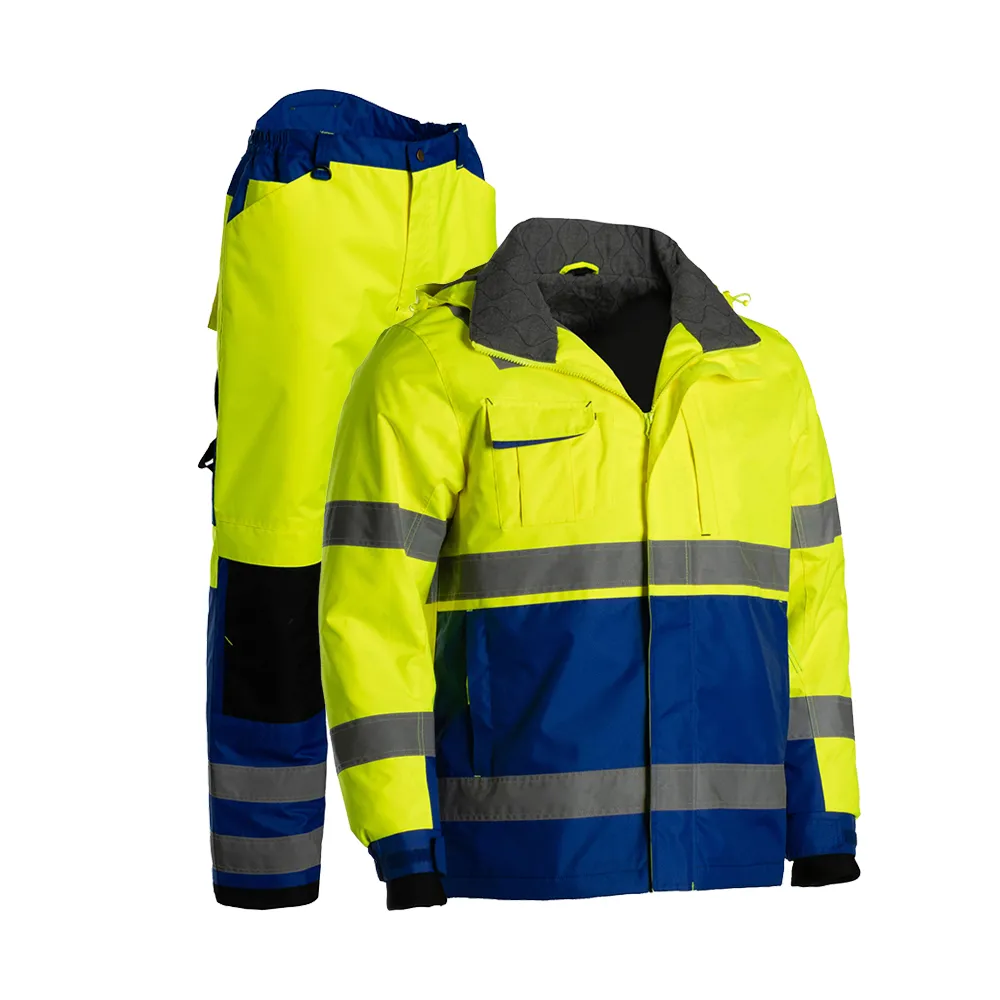
Molecular Foundation of Protective Textiles in Industrial Safety
Modern industrial environments present severe thermal hazards, ranging from electric arc flashes to sudden flash fires in petrochemical refineries. Understanding the foundational science behind specialized garments begins with examining flame-retardant clothing fabric chemistry. Unlike conventional fabrics designed solely for comfort or aesthetic appeal, high-performance protective textiles rely on precise molecular architectures engineered to resist ignition, inhibit combustion, and prevent melting or dripping when exposed to extreme thermal loads. At HIWORLD, our dedication to rigorous safety standards ensures that every protective textile we evaluate is anchored in verifiable chemical science, delivering dependable defense for industrial workers facing unpredictable thermal exposures.
Chemical Mechanisms of Inherent Versus Treated Fibers
The core performance of protective apparel chemical composition is largely divided between inherently flame-retardant polymer chains and chemically treated conventional fibers. Inherently flame-retardant materials, such as meta-aramids, para-aramids, and modacrylic blends, incorporate thermally stable ring structures and halogen or nitrogen constituents directly into their molecular backbones. These chemical bonds require significantly higher activation energy to break down during thermal stress. Conversely, cotton or cellulosic substrates treated with organophosphorus flame retardants achieve protection through cross-linking chemical finishes that catalyze char formation upon exposure to heat. Each chemical pathway dictates how the fabric behaves under stress, influencing parameters such as tensile strength retention, char yield, and resistance to repeated industrial laundering.
Thermal Decomposition Pathways and Carbonaceous Char Formation
When protective fabrics encounter high thermal energy, their chemical constituents undergo thermal degradation. The efficiency of flame-retardant clothing fabric chemistry is measured by how quickly and effectively the material transitions from a solid polymer into a stable, insulating carbonaceous char rather than volatile, flammable gases. In high-performance systems, phosphorus and nitrogen compounds act as Lewis acids during pyrolysis, promoting dehydration of the polymer chain rather than depolymerization. This chemical reaction creates a thick, protective carbon barrier that shields the underlying skin from radiant heat flux and convective energy transfer. Maintaining this structural stability without compromising breathability or flexibility remains a core technical objective for advanced textile manufacturers worldwide.
Comparative Analysis of Textile Polymer Technologies
Choosing the right material requires evaluating how different polymer systems perform under specific thermal and chemical stresses. The following breakdown contrasts key technical metrics among prominent protective fabric categories.
| Polymer Technology | Primary Chemical Mechanism | Char Formation Efficiency | Typical Limiting Oxygen Index | Primary Industrial Use Case |
| Meta-Aramid Fiber | Aromatic ring cross-linking | Moderate to High | Approximately 28 to 30 percent | Electrical utility and firefighting structural gear |
| Modacrylic Blend | Halogen-driven gas-phase inhibition | Moderate | Approximately 28 percent | Petrochemical processing and welder secondary apparel |
| Proban Treated Cotton | Phosphorus-catalyzed dehydration | High | Approximately 32 percent | General industrial manufacturing and electric arc protection |
| Polybenzimidazole Fiber | High-temperature stable aromatic network | Exceptionally High | Approximately 38 to 41 percent | Extreme aerospace and high-risk foundry operations |
Rigorous Testing Protocols and Standardized Verification
Verifying the efficacy of inherent flame-retardant textiles requires adherence to globally recognized testing protocols. Standardized evaluations, including vertical flammability tests under ASTM D6413 and thermal protective performance ratings governed by NFPA 2112, simulate extreme exposure conditions to quantify afterflame time, char length, and heat transfer resistance. Furthermore, assessing thermal protective fabric performance involves monitoring dimensional stability after multiple commercial wash cycles to ensure that chemical treatments or molecular structures do not degrade over time. Transparent quality control procedures, including spectrophotometric color analysis and strict batch testing, guarantee that industrial safety gear consistently meets mandatory regulatory benchmarks before deployment.
Sustaining Long-Term Asset Integrity in Protective Workwear
Maximizing the operational lifespan of specialized workwear involves integrating chemical understanding with routine maintenance and proper laundering practices. Industrial facilities must avoid using harsh bleaching agents or fabric softeners that can coat fibers or react adversely with chemical finishes, thereby diminishing thermal shielding effectiveness. By prioritizing transparent material science, rigorous laboratory verification, and adherence to international safety standards, industrial enterprises can safeguard their workforce against severe thermal hazards while maintaining optimal comfort and durability across challenging operational cycles.
Table of Contents
- Molecular Foundation of Protective Textiles in Industrial Safety
- Chemical Mechanisms of Inherent Versus Treated Fibers
- Thermal Decomposition Pathways and Carbonaceous Char Formation
- Comparative Analysis of Textile Polymer Technologies
- Rigorous Testing Protocols and Standardized Verification
- Sustaining Long-Term Asset Integrity in Protective Workwear